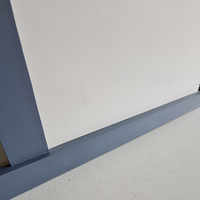
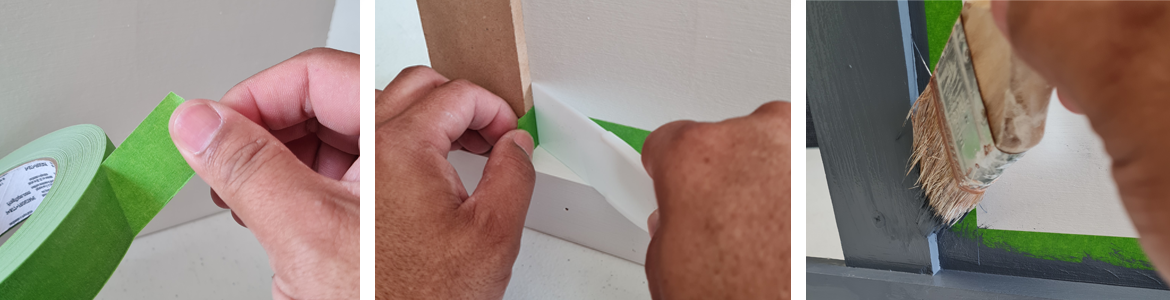
Steps
Step 1
Repair and clean the surface.
Repair any cracks or holes on the surface you intend to paint. Refer to the Bunnings guides How to repair cracks in plaster and How to fix a hole in the wall for handy tips.
If you’re painting a surface with existing paint, sand it lightly to create a smoother surface.
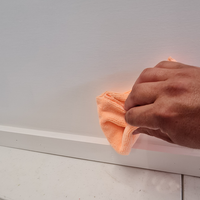
Wipe the area clean, ensuring it is free of any dirt, debris or moisture. Make sure it is dry before proceeding.

Step 2
Apply the painter’s tape.
Determine the area where you want to apply the tape. Unroll the tape, using your thumbs to keep it straight.
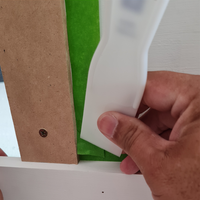
Align the tape with any corners or edges you want to protect. Use a plastic putty knife to secure your tape to the corner. Run the knife along the entire length of the tape to make sure that the edges are flat. Make sure no air bubbles are trapped in the tape.
Now press down the tape firmly with your thumb to ensure it adheres well to the surface.
Cut any excess tape in the corners using your utility knife.


Step 3
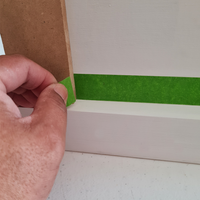
Overlap the tape on corners.
If you are painting near any corners, apply another strip of tape on the other edge. Make sure the two strips of tape overlap slightly at the corner. This will prevent any paint from bleeding through the corner and help you achieve a sharp, clean line.
Use your thumb to unroll another strip of tape and keep it straight. Align it with the other edge of your surface, starting at the corner.
Use your putty knife to secure the second strip of tape to the first at the corner. Now run the knife along the entire length of the second strip of tape to ensure that the edges are flat.

Step 4
Paint.
Double check to make sure that there are no wrinkles or air bubbles trapped in the tape.
Prepare your paint by following the product and safety instructions on the label. Don't forget to wear personal protective equipment (PPE) while painting, including a face mask and gloves.
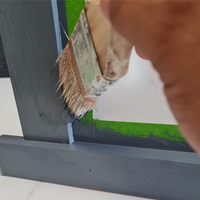
Paint the surface with a steady hand. Use smooth, even strokes. Paint away from the edge of the tape to prevent pushing paint underneath. Make sure the entire surface surrounding the tape is painted well. Refer to our guide How to paint like a professional for more painting tips.


Step 5
Remove the tape.
Remove the tape while the paint is still a little wet. This will prevent the paint from bleeding over and drying onto the tape, helping you achieve cleaner lines. Removing the tape once the paint has fully dried can also cause the paint to pull off with it.
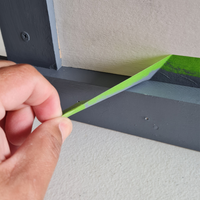
Use the edge of your putty knife to lift the edge of the second strip of tape, starting at the corner. Pull the edge of the tape back at a 45-degree angle to avoid tearing or peeling off the paint. Gently remove the entire strip of tape.
Use the knife again to remove the edge of the first strip of tape at the corner. Peel away the rest of the tape carefully and dispose it.


Step 6
Fix the paint if needed.
Inspect the painted surface for any imperfections or areas that need touch-ups. Use a small paint brush to fix any uneven lines or gaps.
You have now successfully used painter's tape to ensure a professional-looking paint job.