Hi all,
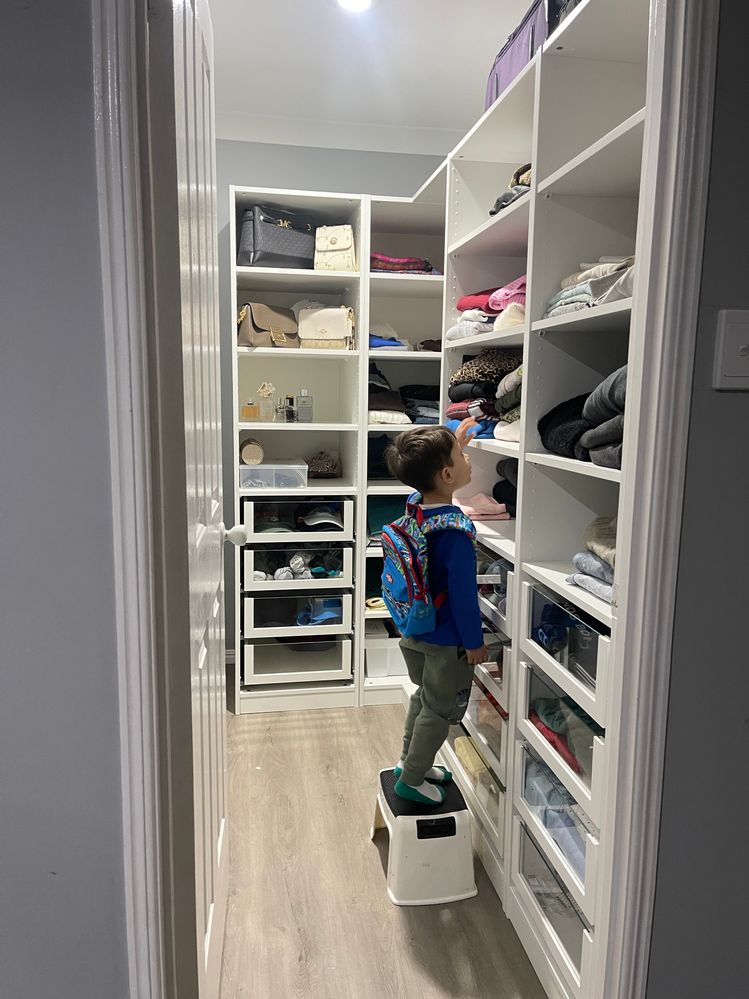
Hope what I am writing is going to give inspirations for some others to do what I did. Storage spaces are never enough.
I am big fan of the Bunnings products, but because of the delivery time and my future unavailability, I had to go with the IKEA product. They seemed to be equally good.
With my 1 week off period, I thought of making this time productive and of couse with plenty of questions to experts ( you can see in some posts here and there).
Total time take : Good 5 days. I am slower learner and doer. I let one compele day to dry the wall until I found the hack. Mentioned later on the description. 2 days - to just built the wardrobe from flat pack.
Flat pack cost : $2200 including delivery
Other cost : <$400 (including tools, hybrid planks)
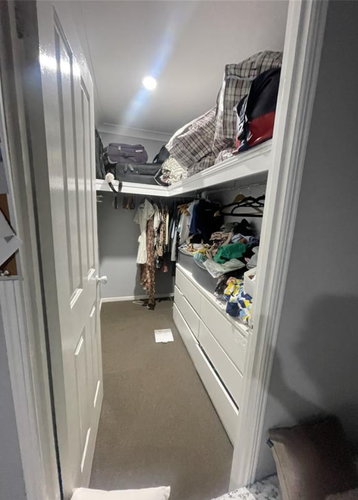
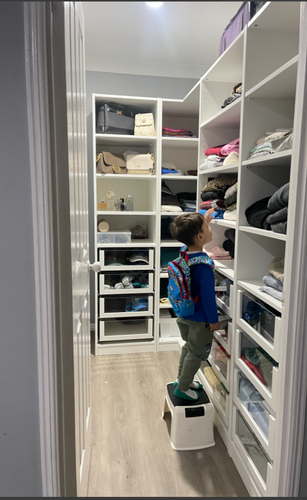
Following is my BEFORE and AFTER images of the project.
BEFORE
AFTER
This small project involved few different tasks :
- Demolishing the existing wardrobe
- Relocating the power switch
- Patching and Painting the wall
- Laying hybrid flooring ( no previous experience at all)
- Building cabinets from the Flat Packs and finishing them with their drawers (hectic part)
Steps
Step 1
Demolishing
It took me half an hour to figure out how to demolish this custom design old style wardrobe.
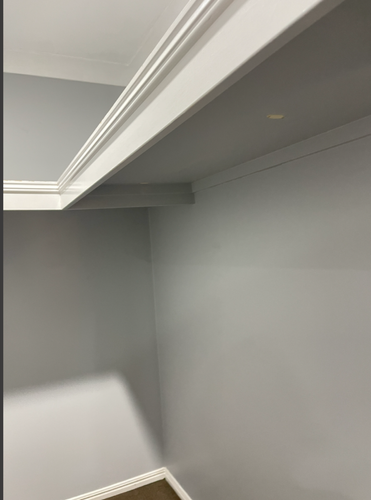
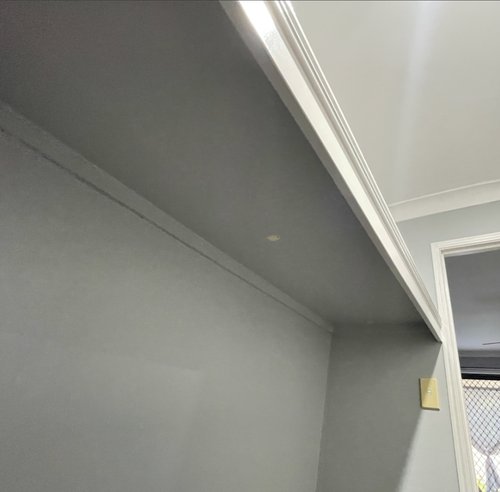
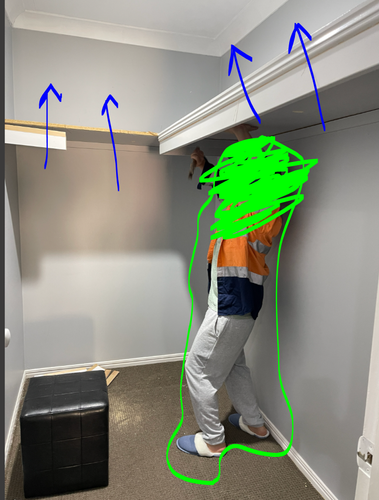
So the trick was to hit the shelf upward as indicated. Most of the joints were invisible becasue of the paints, so wouldn't have any idea where the nails or screws were. So kept hitting upward. Sorry the following photo does not show proper footwear.
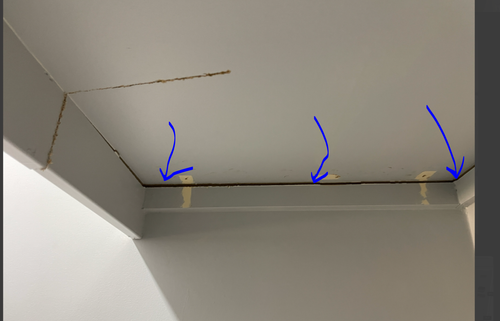
The seperation started to appear finally.
Taking skirting off
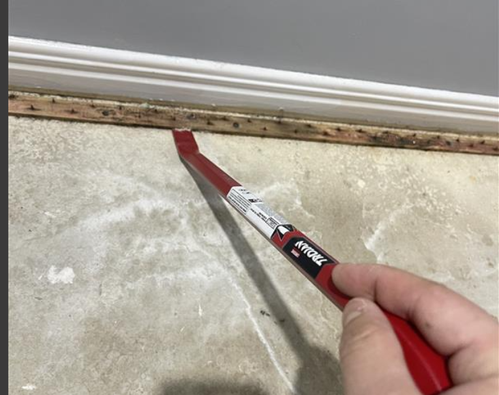
Flat end of chisel outside and curved end inside
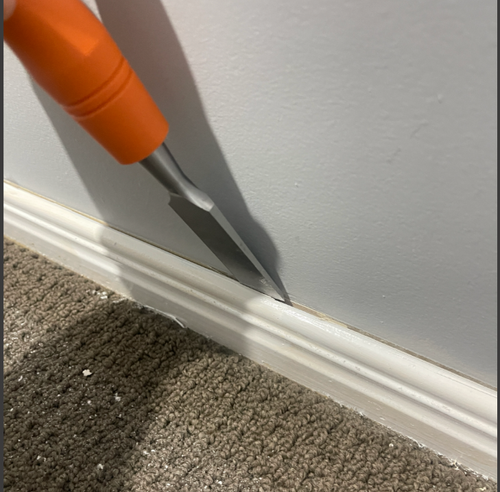
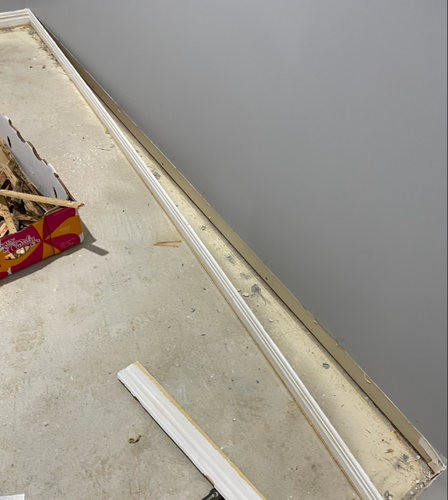
I did not put the skirting at the back of the wardrobe because that would have pushed the wardrobe a little bit towards the door(obstructing the door to close). I had really such a marginal fittings of everything. Plus, without the skirting, I could push the wardrobe against the wall.
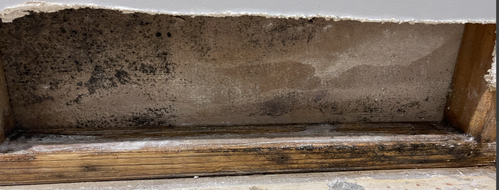
I found this during opening (out of curiousity) the plasterboard. But, I am going to take care of those timbers while renovating bathroom very soon from other side of the wall.
I am talking chances here for now. Hopefully nothing major (out of nowhere).
Step 2
PowerSwitch Relocation
I had to relocate the switch to the other side of the wall becuase there wouldn't be even a small gap between wardrobe and wall to turn on and off the switch. The space is so just-fit that no spare spaces have been left.
Some pictures during the switch relocation are here.
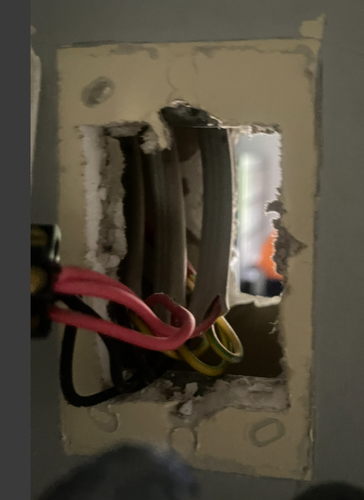
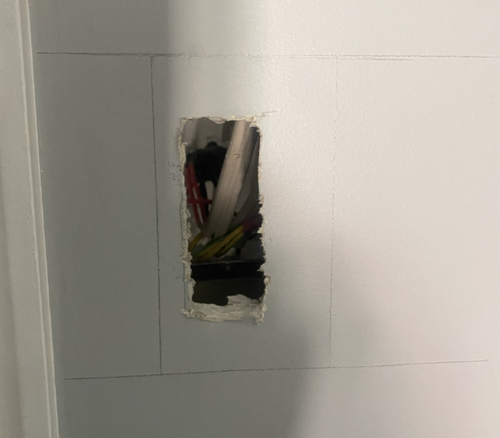
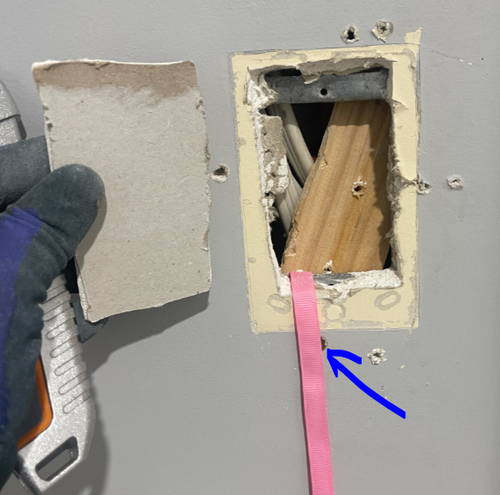
The timber is to create back support for new gyprock to be used on the wall.
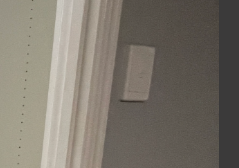
The switch is on the other side of the wall.
P.s. Please involve certified electrician to do any job like this. I got help from one of my mates from my work for a good lunch.
Step 3
Patching and Painting the wall
Metal plasterer tool (shown below) - Joint knife, is great for scrapping the old paint excess. Once everything is cleared, a new plaster patch can be applied everywhere as needed.
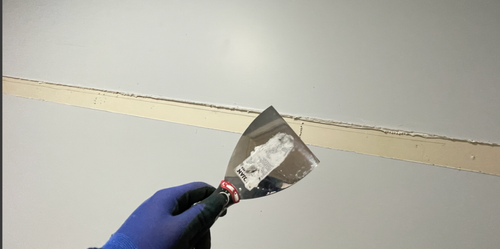
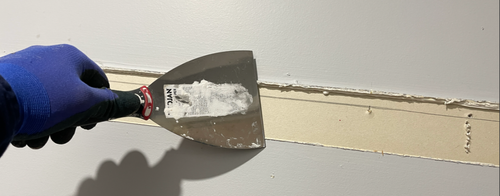
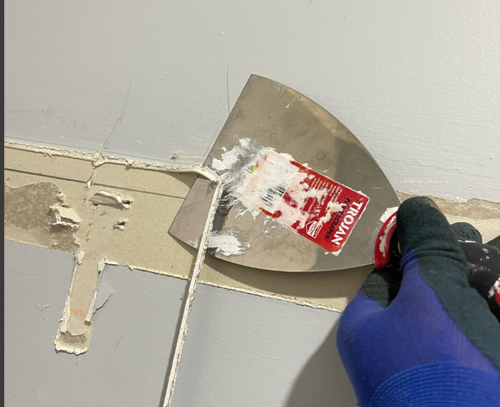
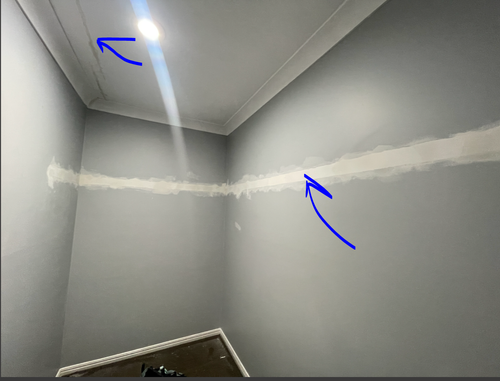
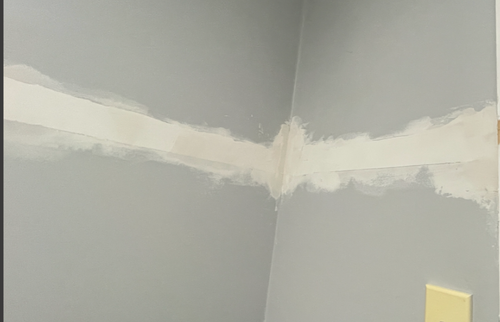
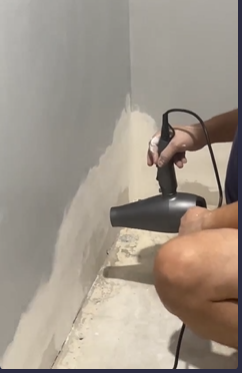
I found out, if you are in rush, dryer helps a lot to dry out those newly plastered wall.
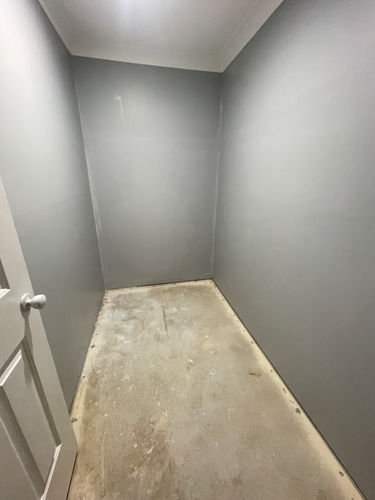
Once all the patchings were done, I gave a fresh paint, both on the walls and ceiling.
A freshly painted room:
Step 4
Flooring
I used this hybrid
The reason for chosing it was it has already got underlays underneath, hence not required to lay separately.
Here, I am trying to see what patterns looks better in following images. I picked up the first picture one
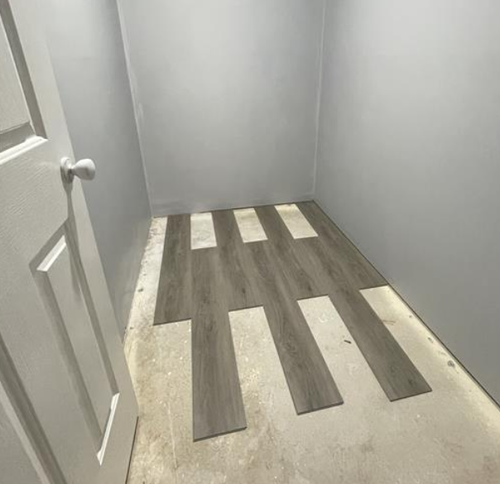
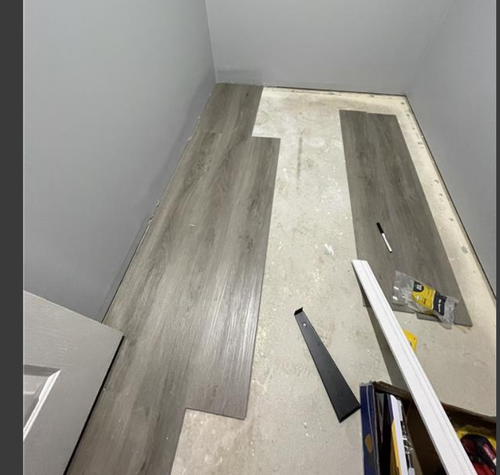
This is first time I layed the hybrid flooring. Cleaned the floor. I picked up this pattern (extracted from internet).
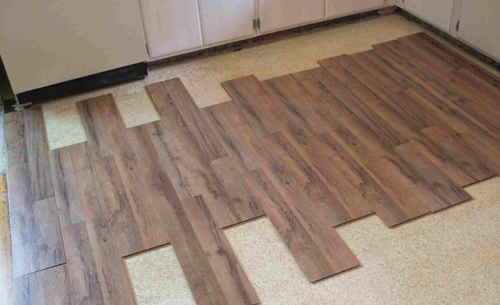
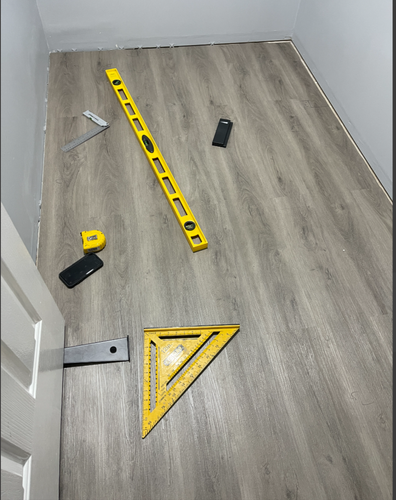
I started to lay from exposed area where the cabinets wouldn't go (traffic area). I kept 5mm gap between walls and timber.
Things to be careful of:
- Stanley knife can do most of the cutting, but do not cut the timber placing on top of laid timbers. You may run the knife on alreay placed timbers.
- While running the knife for cutting, have a guidance along the line so that it acts a support. Otherwise, the knife may run off the line. This will damage the plank.
- When breaking the planks after the cutting (on the knee or etc.), make sure the divided parts have underlay on them. Sometimes the underlay may not cut and one of the planks may not have anything around the cutting edges.
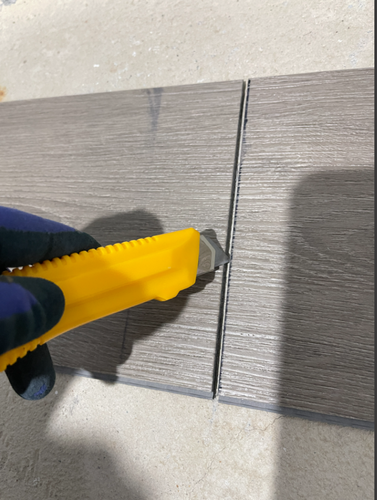
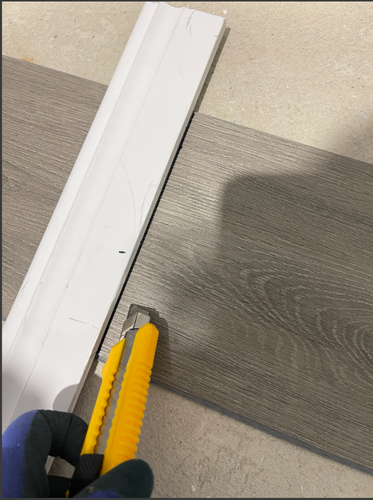
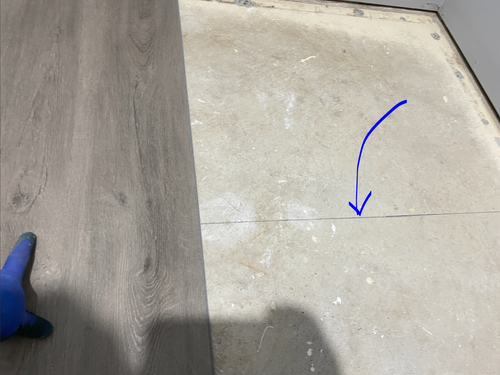
- I drew a line on the floor to have a reference while placing the planks.
I ran into a trouble where I could not have proper cut to fit around the door frame. The outcome was like this.
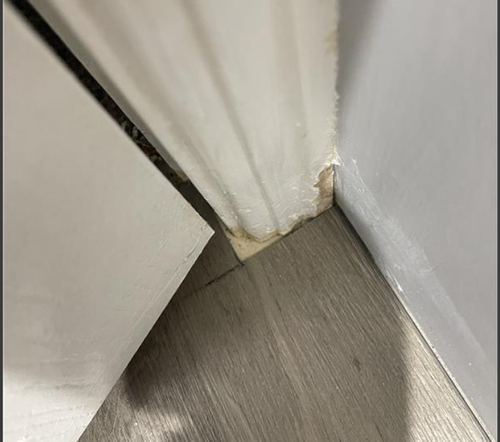
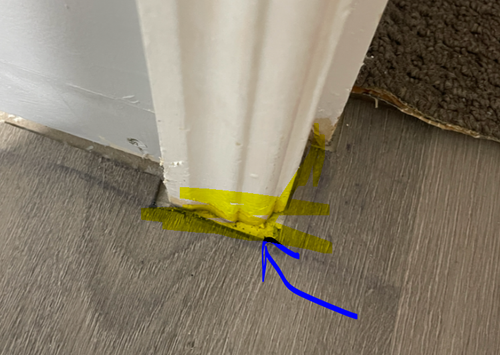
I did not like above outcome. I acutally asked question in this forum. Next day, went to store and bought Ozito Multifunctional tool. I was afraid to try new tool but outcome was far better. Following are the images.
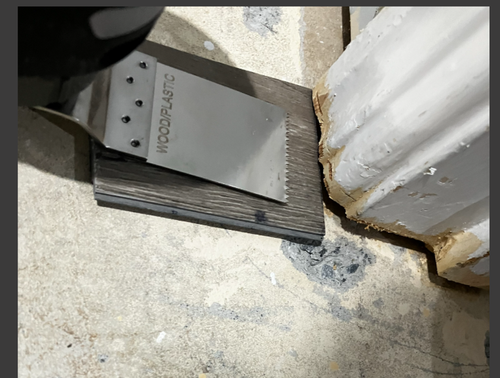
Nice clean cut.
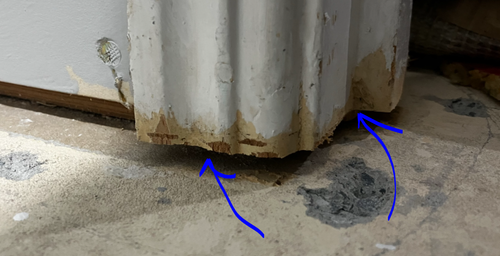
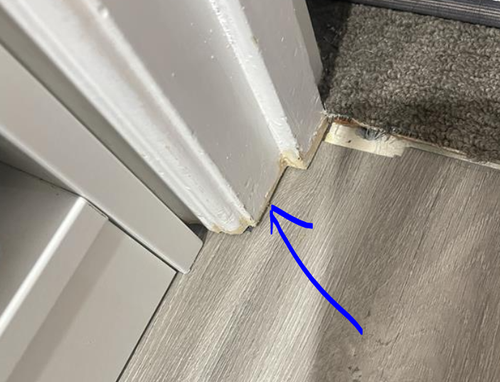
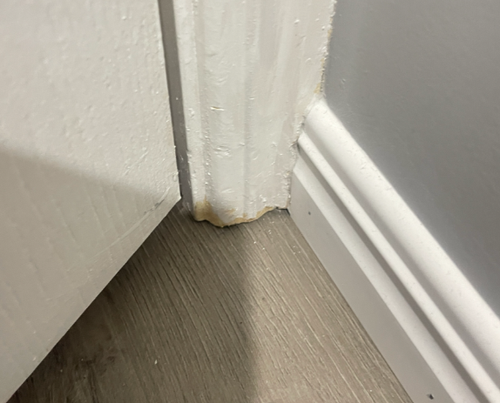
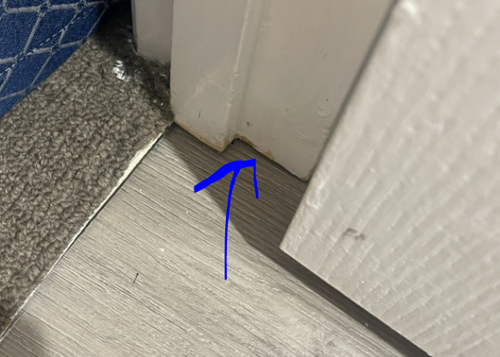
No more gaps. I was happy with outcomes. In future, I have plan, either to extend the same flooring or put a new carpet. I am hoping that transitioning strip with hide some of the imperfections then 😁
- Regular floor cleaning is required.
- I found first few rows, the already laid planks may move, but later they stabilised as I progressed. There should be some tricks to do it.
Step 5
Cabinets and drawers
This is what I am going to have as a final product after online designing.
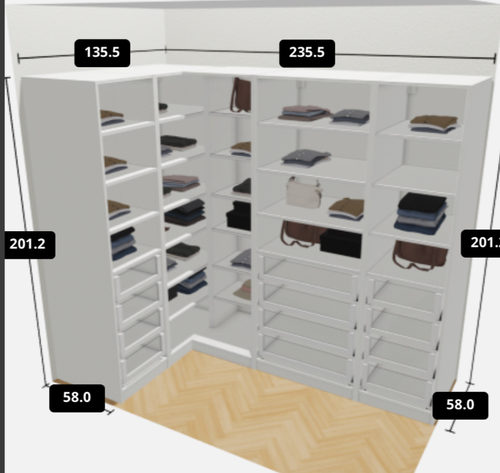
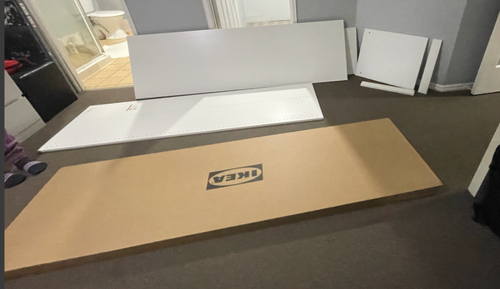
The whole furniture assembly took me 2 complete days.
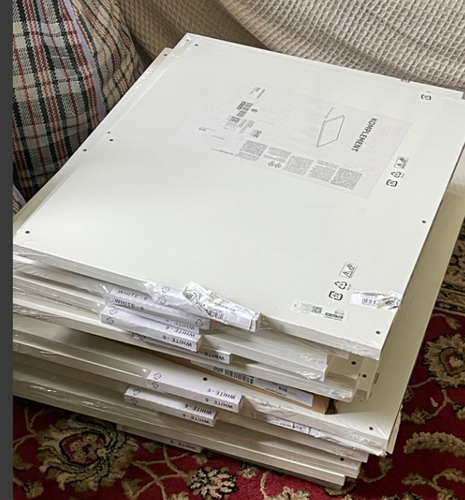
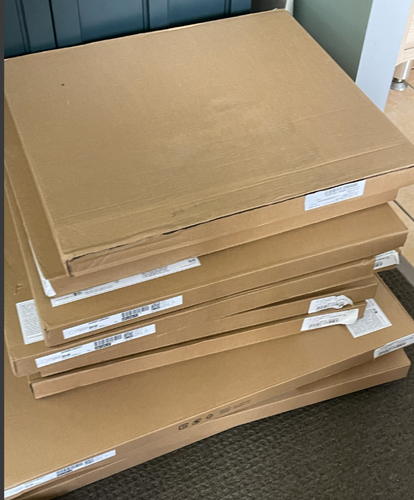
These are some flatpack pictures.
Step 6
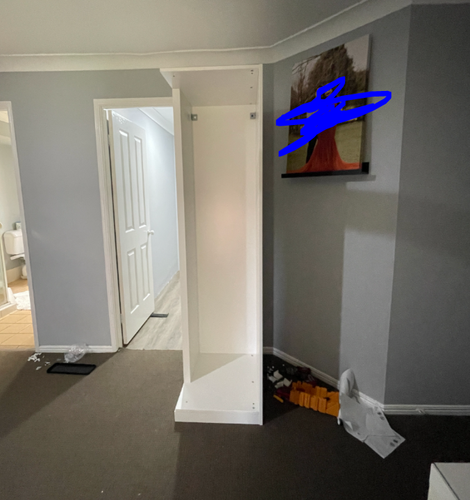
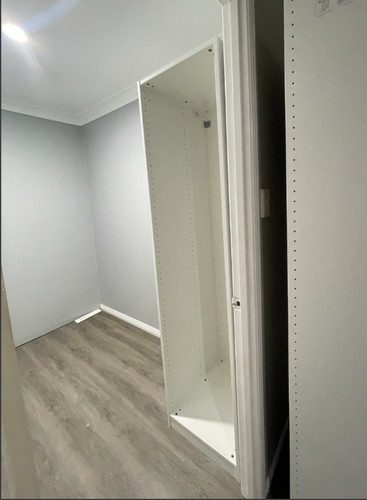
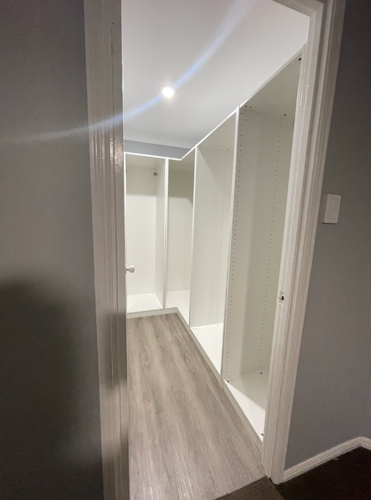
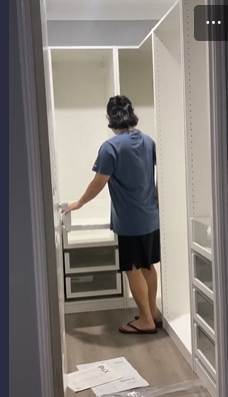
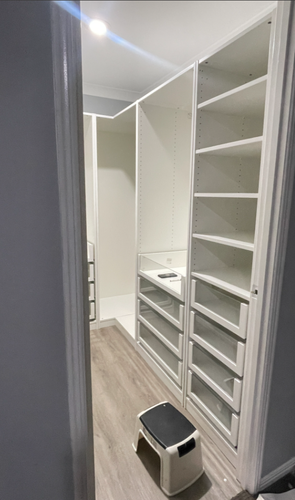
Some of the pictures taking during the project :
Step 7
Happy DIYing 😉
Looking forward to start another project.