Steps
Step 1
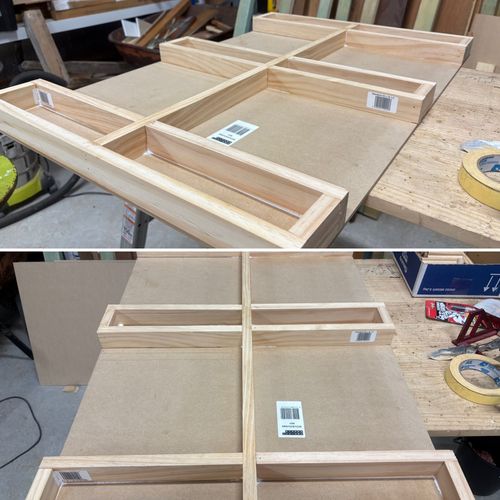
Using the 6mm MDF panel and 42x19mm dressed pine, carefully frame the inside of the table to ensure 4 identical draws can slide into each opening. I ensured each space could fit a 290x290mm draw.
To secure the frame to the base, I used interior wood glue and nails, with a little help from my Ryobi Nail Gun.
Step 2
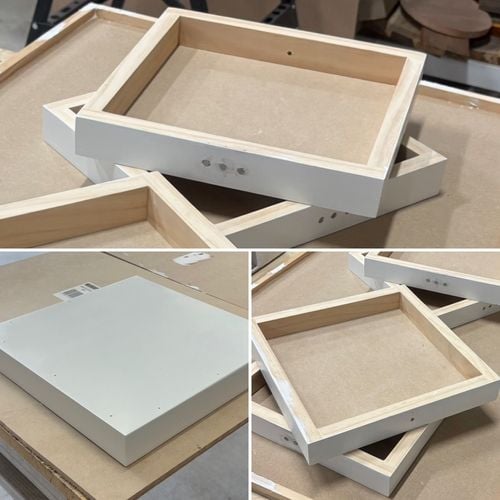
Using the same technique, build your draws to match the size of each. Again, frame the outside of the draw using the 42x19mm dressed pine.
Once complete, sand and test their compatibility with the table and make any adjustments as required. I finished off the draws by adding some small disc magnets in the back of the draws using an 8mm drill bit and superglue. I then added small metal clips on the rear of the draw sections in the framed base, ensuring the draws remained secure when moving the table.
Step 3
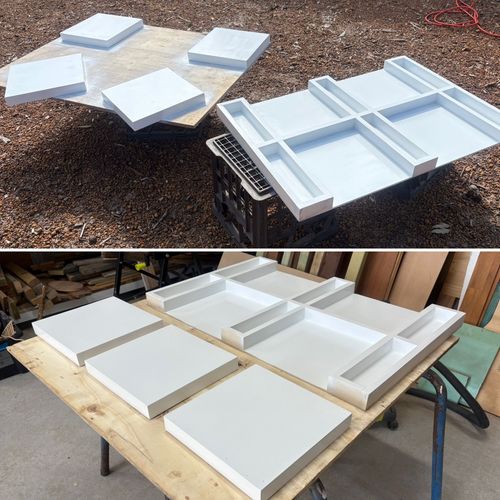
Sand and paint the interior framing and bottom of the draws to ensure the table is completely sealed.
Step 4
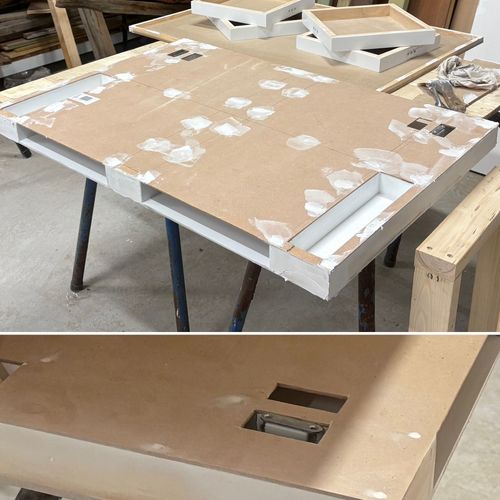
Using the Ryobi Oscillating Saw, carefully cut out sections in the 3mm MDF panel to allow to the additions of the tilting block and magnetic closers. I measured the position of the unused framing space to guide this.
Once you have done a trial fit and are happy, glue and nail the top to the framed bottom. I also used a few 6g 20mm wood screws to ensure there was no additional movement in the MDF during painting.
After securing the top, I patched any imperfections using the Gloss Fine Finish Filler and sanded to ensure it had a smooth finish.
Step 5
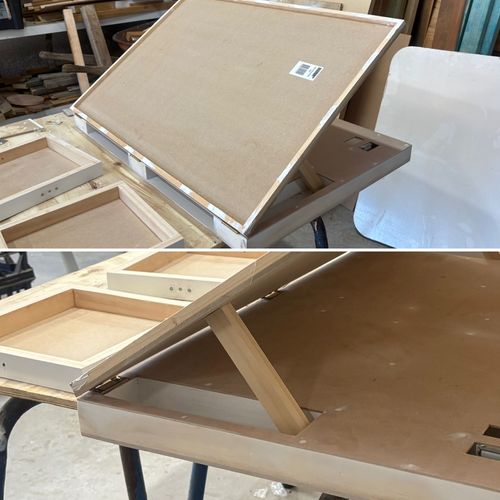
I then moved my attention to the tilting top section of the puzzle board. Using 6mm MDF and 12x12mm dressed pine, I carefully framed the top using small nails and wood glue.
Once dry, I completed a trial fit to place the hinges, using a Stanley knife to carefully cut out sections in the MDF to sink them. I then fitted the magnetic stay clips to the base and rear of the top to ensure it clicked into place nicely.
Lastly, I cut out my tilt blocks to hold the top at a 40 degree angle to reduce back pain while puzzling. I cut one side of the block at 90 degrees, while cutting the other at 2 45 degree sides to ensure the block sat snug against the back corner of the slot.
Lastly, sand and paint each piece separately.
Step 6
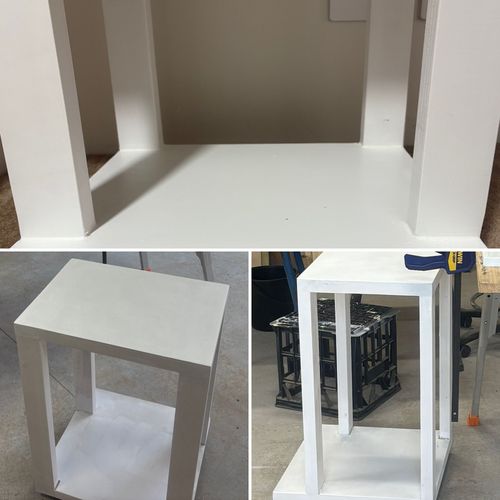
I then moved my attention to the base. I used 70x35mm pine to created the frame for the base, securing each joint with 10G 70mm timber screws.
I then lined the top and base with 3mm MDF, glued and nailed down securely.
I then used filler to fill any imperfections, sanded the full frame and painted. Finishing the base with some white no gaps filler on the edges of the base.
Finally, I used the left over MDF strips to frame the bottom of the table so that the top was able to drop onto the base easily and securely.
Step 7
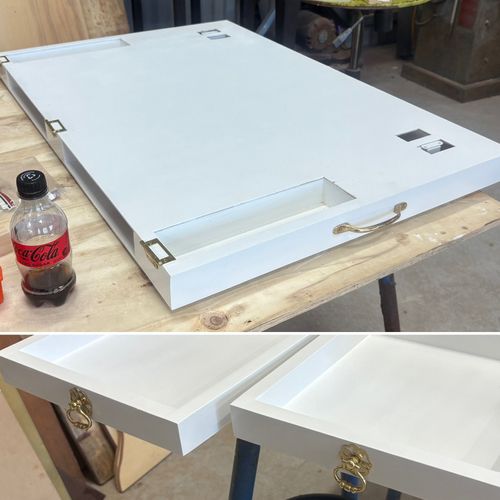
With every piece dry, I turned my attention to the cabinet ware installation. This included installing the hinges, magnetic clips and handles.
Step 8
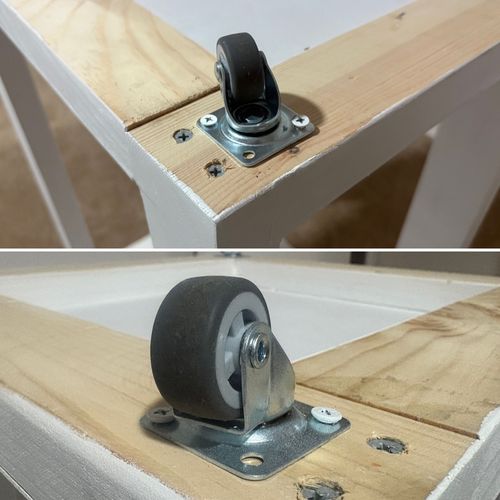
To add to the practicality of the table, I used these great little 360 wheels on the bottom of the table base so that it could be easily moved and adjusted.
Step 9
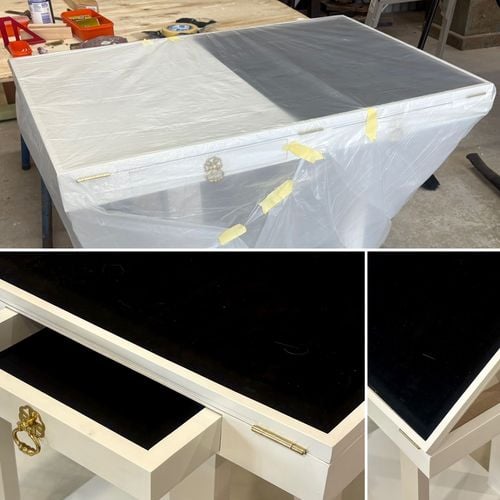
I used this great self adhesive felt to line the top of the table, base, and the inside of the draws. This also helps the puzzle pieces to remain stationary when tilting the top of removing the draws.
Step 10
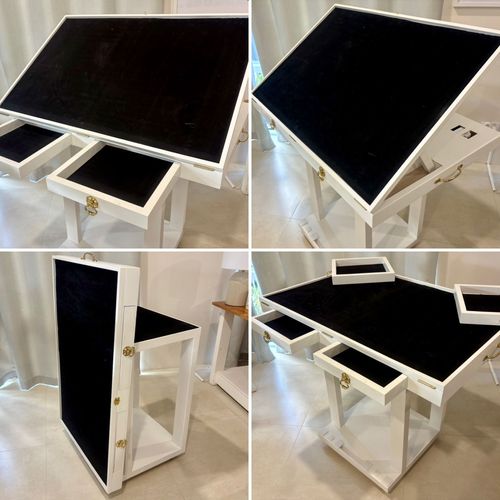
Now the table is all ready for some serious puzzling!


