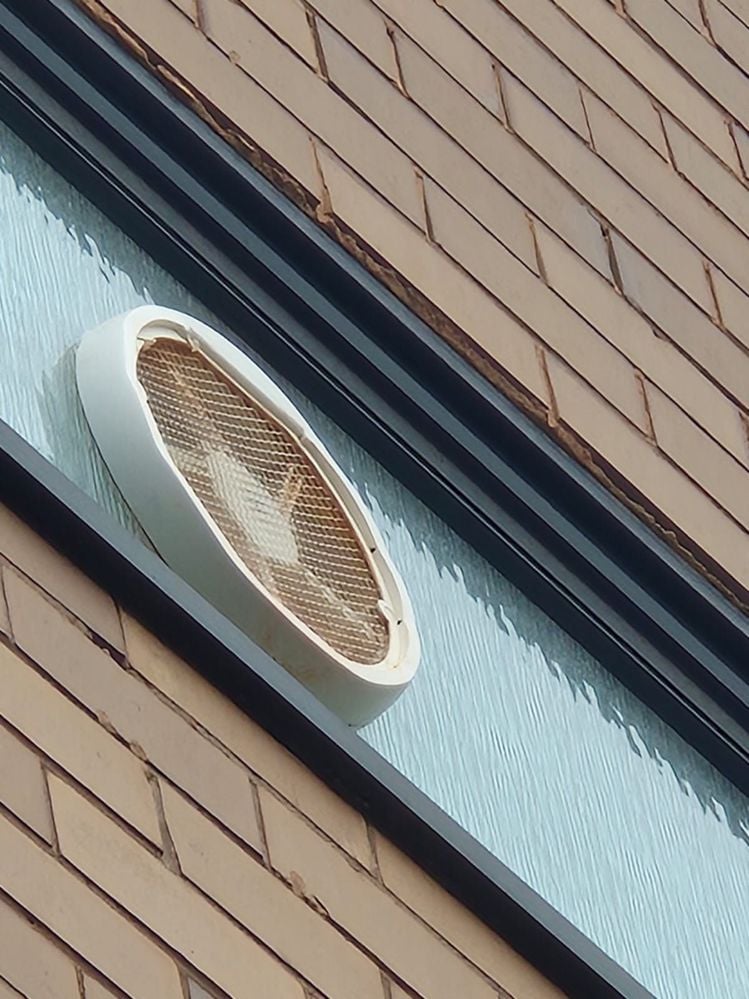
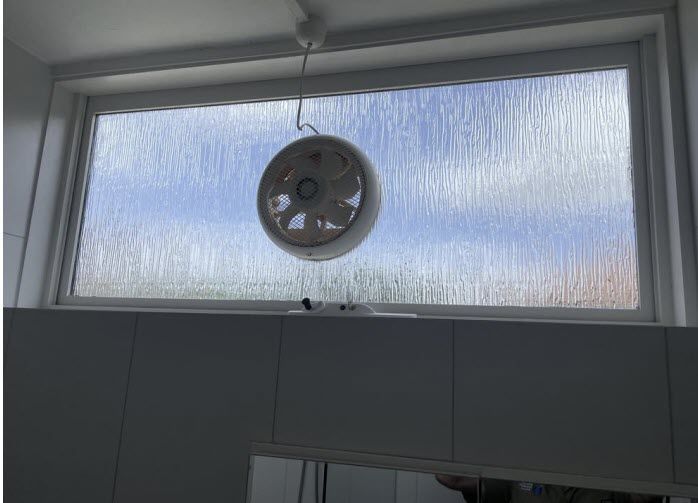
I’m upgrading the exhaust fan in my bathroom and would like some advice from anyone with ventilation, glazing, or handyman experience.
Current setup:
-
Existing fan: Fantech HCM-180N
-
Installed through glass in a bathroom
-
Glass cut-out is approx 220–225 mm diameter
What I want to install:
The issue:
I prefer not enlarge the glass hole as I believe this involves changing the entire window (costly) and
The HCM-180N hole is too small for the HV-230AE to mount normally.
Proposed solution:
I was told this is workable, and I’d like to confirm with people who have done similar:
Use two acrylic plates:
The plates would be silicone-bonded to the glass (one each side), creating a new “virtual panel” with the correct cut-out size.
The HV-230AE (which clamps through the panel using threaded rods) would then mount through the plates, not through the glass.
This way:
-
The existing 220 mm hole stays untouched,
-
The fan mounts securely to the plates,
-
The plates distribute the load across a wider glass area,
-
No changes to the glass are required.
What I’m trying to confirm:
-
Is this a sound and safe way to install the HV-230AE using the smaller HCM-180N glass hole?
-
Any concerns about:
-
Long-term stability of silicone-bonded acrylic plates?
-
Vibration or noise transfer?
-
Airflow restriction from pulling air through the smaller 220 mm opening (the 230AE wants 260 mm)?
-
Anything I should do to reduce stress on the fan (e.g., bevel the inner hole edge, apply anti-corrosion spray, etc.)?
Fantech’s technical support said the fan “should work but with some increased pressure and reduced lifespan” due to the smaller opening, but is functionally acceptable.
Has anyone here done a similar plate-over-glass sizing trick?
Or installed a larger fan over a smaller hole using adapter plates?
Any practical tips would be appreciated before I order the parts.
Window glass type is seadraft