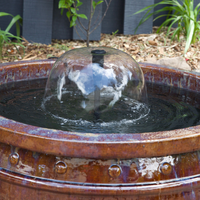
Steps
Step 1
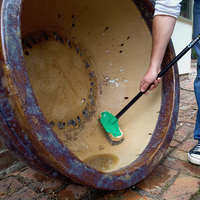
Scrub the inside of the pot clean with soapy water and rinse thoroughly. Allow to dry. For porous material, this might take a day or two.
Step 2
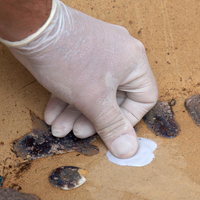
Cover drainage holes on the outside of the pot base with pieces of heavy-duty tape. While wearing gloves, push putty into the drainage holes on the inside of the pot, making sure that they are completely plugged. Make the putty plugs a little higher than the holes and spread around 5mm or so past the side of holes for a good seal.
Step 3
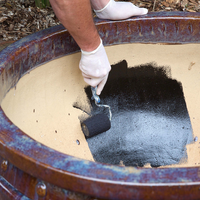
Use a roller to evenly apply sealant to all interior surfaces. Use a paint brush to get the sealant into the corners. Allow to cure before applying a second coat.
Step 4
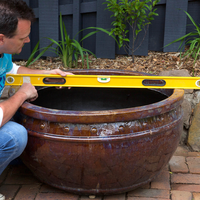
Place the pot in its final location and bring to level. You may need to use plastic packers to achieve this. Remember to check the level from side-to-side and front-to-back.
When selecting your pot’s position, consider the final weight. For example, 100L of water weighs 100kg and then you have the pot, gravel and equipment weight on top of that. On a timber deck, make sure that the pot is over a joist or bearer to avoid the decking boards bending.
Step 5
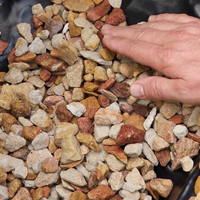
Thoroughly wash and rinse the gravel to remove any silt or dirt. Gently place gravel at the bottom of the pot, filling to a layer of around 30 to 40mm. Use care when adding the gravel to avoid any damage to the sealant.
Step 6
Position your pump in the base and fill with water to the desired height. If using a solar pump, do not connect the panel until the pot is full. Connect or switch on and your potted pond is complete. You can now add finishing touches to your potted pond such as fish, lighting and plants.