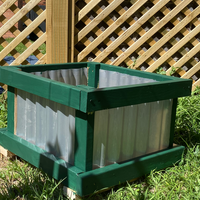
Steps
Step 1
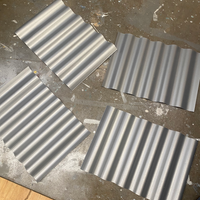
Measure and cut four pieces of corrugated polycarbonate to 330mm wide (half the width of the sheet) and 30cm high. You can draw on the sheet with pencil and cut with scissors.


Step 2
Cut two pieces of Pine to 470mm and two pieces to 370mm. Place the lengths and widths of one side on the floor to make sure that they frame a piece of polycarbonate.


Step 3
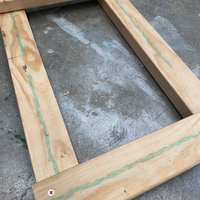
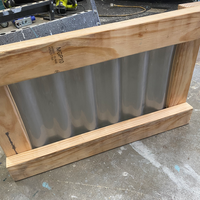
Fix the timber frame with two 65mm screws at each corner. Drill a guiding hole before you put the screw in. Repeat for the other side.


Step 4
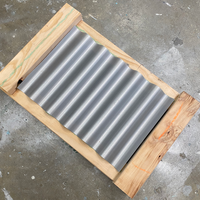
The polycarbonate sheet can be tacked to the timber frame with small tacks. Despite having good tensile strength, it’s quite a thin material, so you can hammer the tacks through without making a hole first. Start in the middle with the tacks and work outwards. Stretch the sheet to the edge of the timber with a little pressure to make sure that there are no gaps.


Step 5
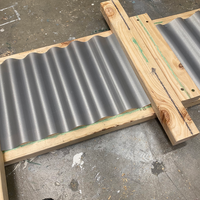
For the two other sides of the planter box, you will only need a bottom and top piece of timber. Use the first sides you’ve made and the spare pieces of timber to measure out where the polycarbonate should sit, and then tack it again with a hammer.
Step 6
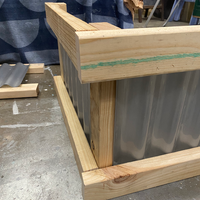
When you place the front and side together, the ends of the front piece will form the strut for the side panel. The space where a 70mm piece of timber would go on the front panel will be taken up on the side by the two 35mm widths of that front panel when you form an l-shape. Secure these together with 65mm screws and repeat for every corner.
Step 7
Attach two pieces of timber at the bottom edges of the planter to lift it off the ground and allow the planter to have airflow and drainage. Paint or varnish the timber and it’s ready for planting.
Check out How to fill a raised garden bed for planting tips.