Hi all,
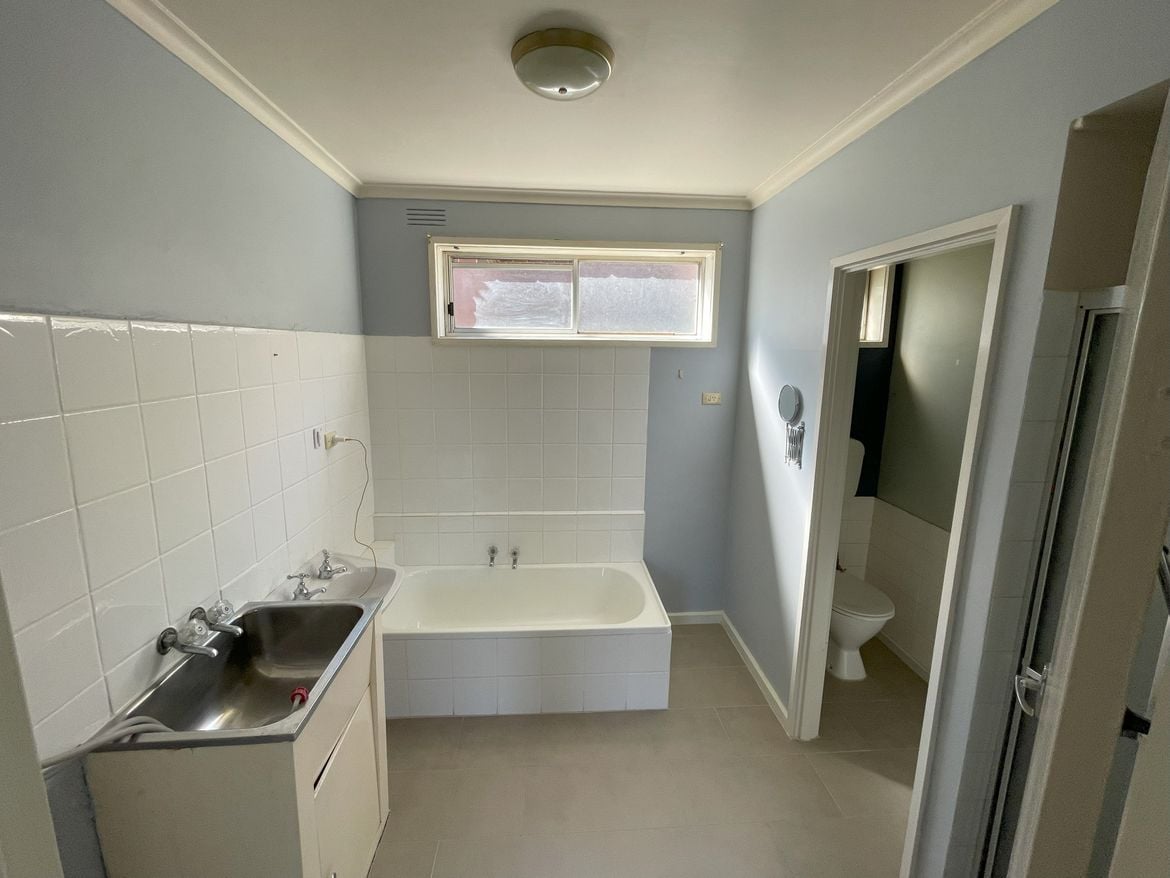
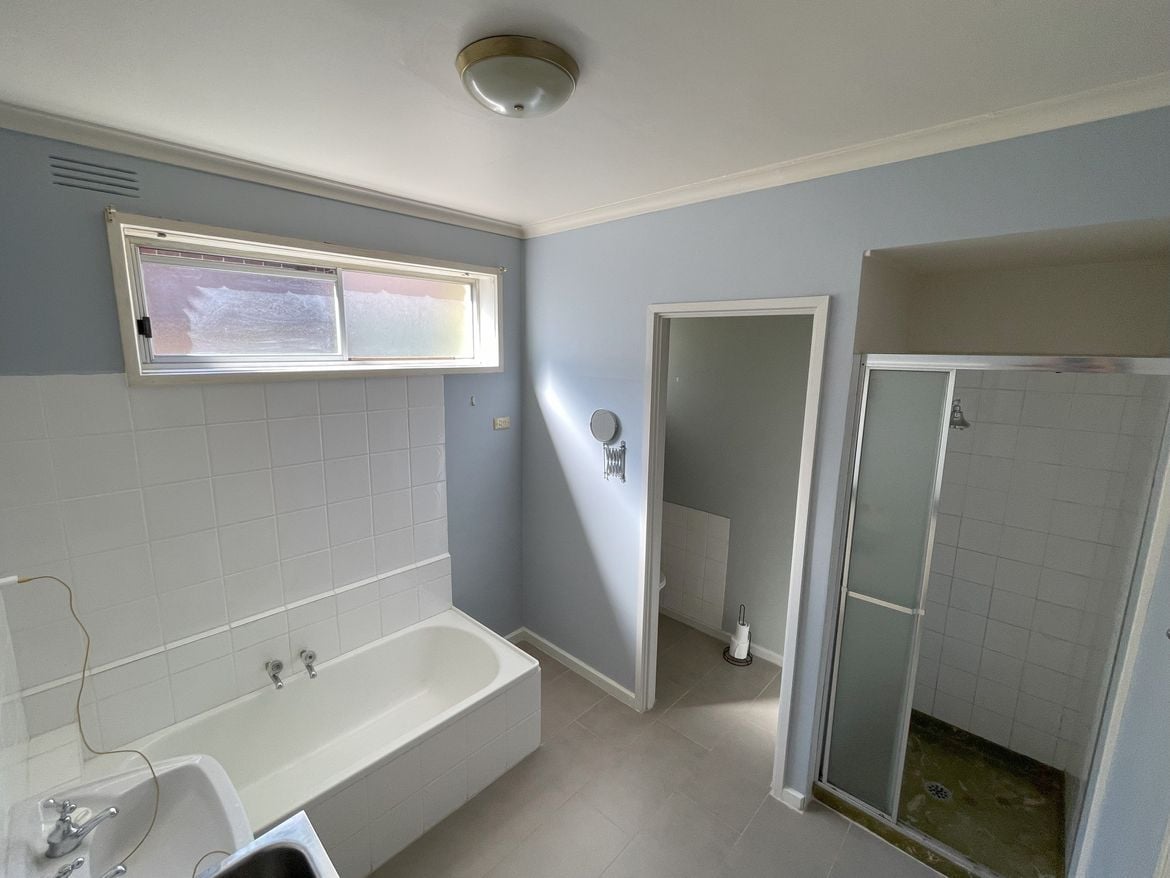
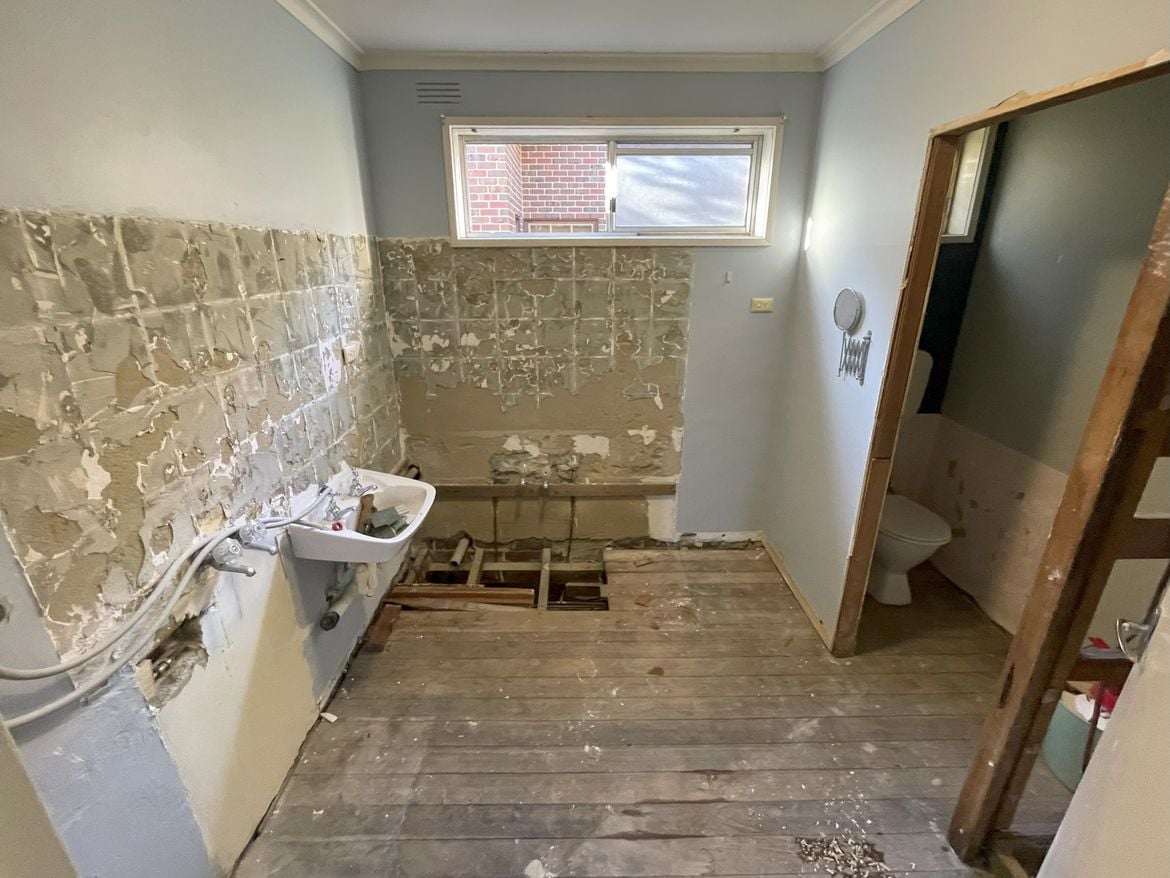
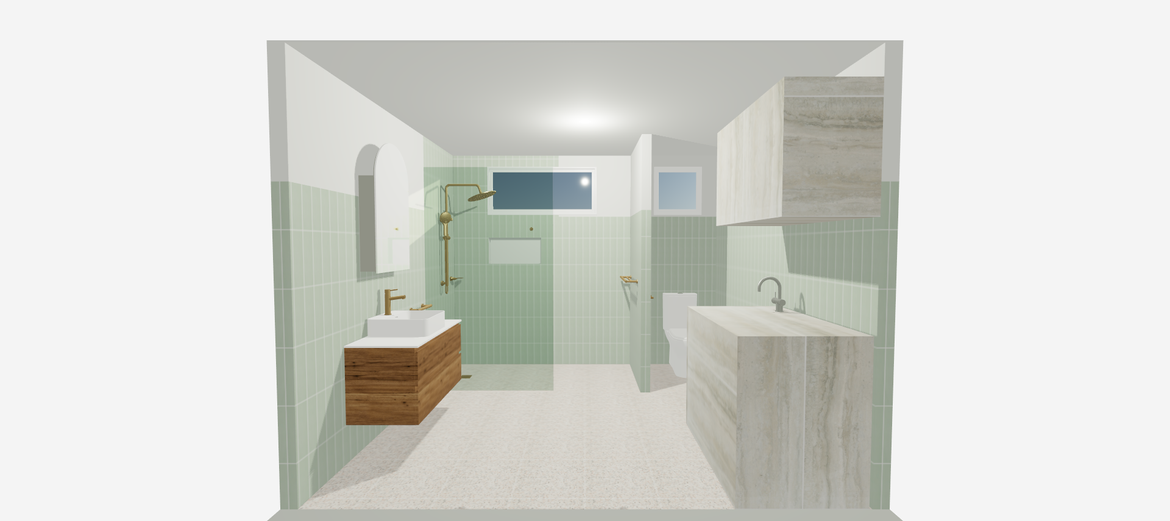
I'm in the throes of dismantling my bathroom as part of a renovation on my newly purchased first home, originally built in the 70s. I'm going to reconfigure the layout, and plan to install a walk-in shower across the window using a preformed shower tray. The subfloor is constructed of bearers, joists and hardwood floorboards. Joists spacing is 450mm at most. The hallway/doorway is going to be sanded at the existing floor level, so this is a big part of the consideration. As I don't want a big lip in the doorway! I am at the point where I have pulled up the existing tiles and underlay and am now left with the exposed boards and am trying to decide which way is the best to proceed tyring to get a balance of cost effectiveness, time to build, and finished appearance. Each option I have come up with has a compromise in at least one of these areas.
Here are the options I have come up with:
1. Take up floorboards in the area of the shower in order to drop the floor and install noggins to accomodate shower tray, and lay 6mm Hardie backer board across the whole floor, before water proofing and laying tiles.
Pros - Most cost effective and least time to complete.
Cons - Likely to have a step of at least 17mm to the hallway floor and consequential frequently stubbed toes!
2. Take up all floor boards and lay 19mm Scyon board across the room, except for shower are, drop floor and installing noggins for the shower tray. Waterproof and lay tiles.
Pros - Straightforward to lay once floor is taken up, and saves 6mm in height at doorway due to not needing tile backer.
Cons - Most expensive option (over $500 more than Opt 1), still have a lip of around 10mm at door.
3. Remove all floor boards, install noggins on every joist, install 19mm ply (or reuse cut floorboards) on noggins between joists so the whole floor sits at the joist height, in shower area add noggins and take off 19mm off joists to accommodate the tray. Install 6mm Hardie tile backer across main floor and waterproof and tile.
Pros - Best overall finish as the tiled floor will be almost flush with the hallway. If floorboards are reused, should only cost $150 more than option one.
Cons - Most time consuming (especially if reusing floor boards!), but if using ply, the cost is nearly same option 2.
In your opinions are these all viable options?
I would like to go with Opt 3 and reuse the floor boards, but interested to know what you think about doing this. The reason for wanting to reuse the floorboards is not just financial, I also want to avoid as much waste as I can.
The noggins I planned to use will be 70x35 fixed to either side of joist, but I will also be able to rest on the existing bearers if I use some a 1mm packer. Floor boards are 19mm. One of my concerns with this is some of the joists have twisted a bit at the ends some may make getting the floor level more difficult.
Thanks in advance!