Workshop
Ask a question

The Bunnings Workshop community can help with your home improvement projects.

How to fix moisture in internal wall?

LauraFer
Just Starting Out

How to fix moisture in internal wall?

Hi there, 

I'm working on renovating my bathroom as we know the shower is leaking via tiles and grout (assessment via plumber), the bathroom is from the 60's with no waterproofing and hasn't been updated since. 
We used a moisture reader to asses the walls and weirdly found a lot of moisture in the wall opposite to the shower, not directly in the wet area, that wall is opposite to a separate toilet. 
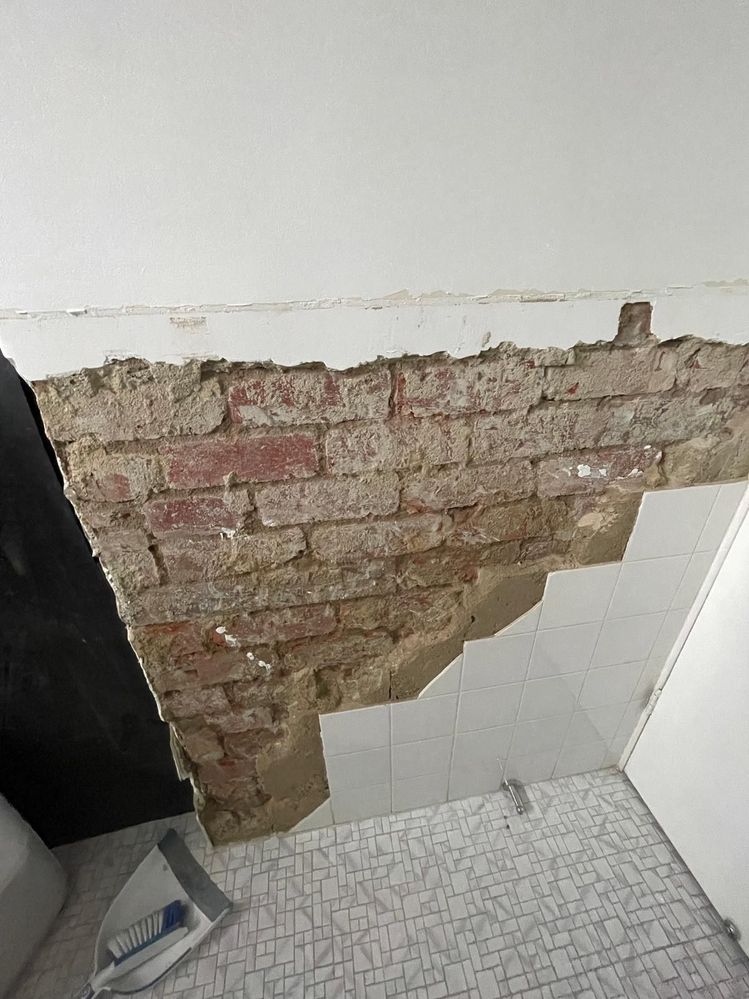
The moisture was only high in the tiled area up to approx 1.2m, the upper part of the wall with no tiles is dry. 
We removed some tiles and render to asses the situation and let the wall dry before we can apply waterproofing and render the wall but I can't seem to understand where the moisture comes from as there is no pipe running behind that wall. 
Could it be condensation trapped behind the tiles? fc5731b3-750a-4da3-a336-092e33518946.JPG
Thanks for your help :smile: 

MitchellMc
Bunnings Team Member

Re: Moisture in internal wall

Welcome to the Bunnings Workshop community @LauraFer. It's sensational to have you join us, and many thanks for your question about internal wall moisture.

It’s certainly possible that what you're seeing is moisture trapped behind the tiles from long-term condensation or even historic leaks that have slowly migrated through the wall over time. Bathrooms from the '60s often had no proper waterproofing behind the tiles, so moisture can build up and get trapped between the render and the tiles, especially if the grout or tile adhesive has degraded. Even though the wall doesn't contain plumbing, water can track or wick across surfaces or materials behind the scenes, particularly if the shower leak has been ongoing for a while.


Since you’ve already removed the tiles and render and are allowing the wall to dry out, you’re on the right track. Just be sure to give it enough time to thoroughly dry before re-rendering and waterproofing. It’s also worth checking the adjoining toilet room in case there's any minor leak or poor ventilation there.


The only further steps you could take would be to have a leak detection specialist attend to try and track where the moisture is coming from.

Please let me know if you have any questions.

Mitchell
 

See something interesting? Give it the thumbs up!

Why join the Bunnings Workshop community?

Workshop is a friendly place to learn, get ideas and find inspiration for your home improvement projects