The Bunnings Workshop community can help with your home improvement projects.
Hi,
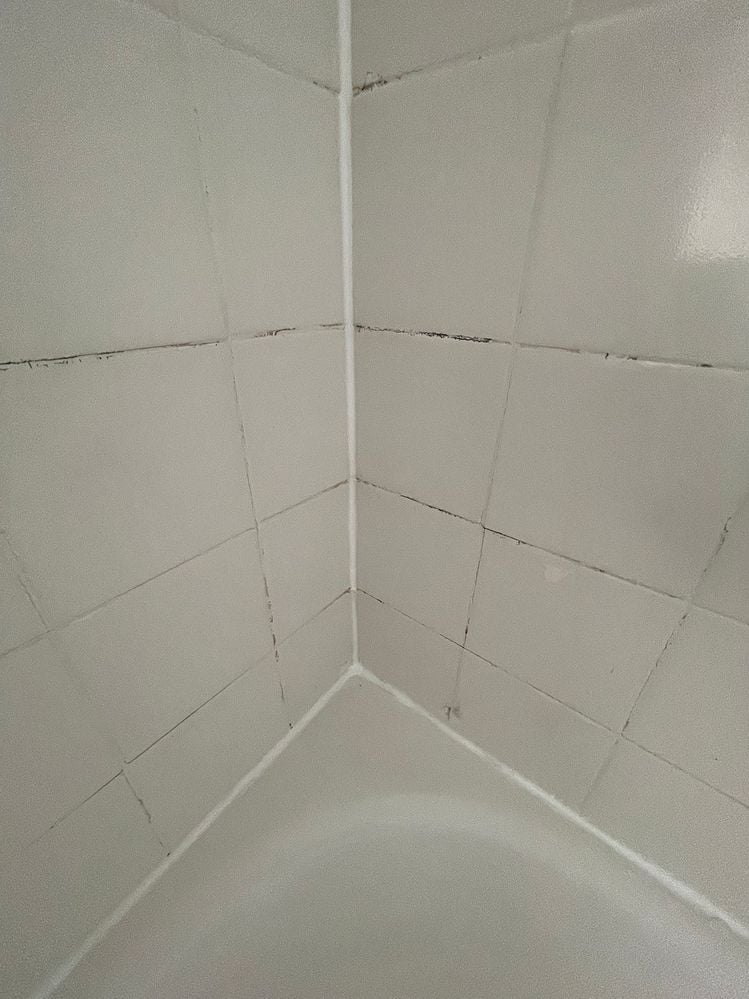
I recently purchased a 1970s apartment and at some point during it’s life the original white bathroom tile has been resurfaced. That painted surface is now yellowed. In the shower there is mould visible beneath the resurfacing, as they also covered the grout.
The tiles are grouted to the walls with sand and cement without waterproofing behind, so I believe that this may have been done as a waterproofing measure at some point during it's life as a rental.
I am hoping to remove the old paint, remove the mould in the grout lines and re-seal the tile to ensure continued waterproofing of the wall within the shower.
I have purchased Bondall Waterbased Paint & Varnish Stripper, which worked ok on a tile test patch with two coats. I need to find a better scrubbing brush moving forward as it was a lot harder to get out of the grout.
I’m wondering if you have any further advice on what product would work best to re-seal the tile with a waterproof coating after this?
Thanks for your help and I look forward to hearing from you,
Nick
Welcome to the Bunnings Workshop community, Nick (@NBlair). It's sensational to have you join us, and many thanks for your question about tiles.
Unless there was some specific issue that required the tiles themselves to be surface-sealed, it’s unlikely that the coating you’re seeing was ever intended as a waterproofing layer. Tiles aren’t waterproof in the sense of blocking all moisture. What protects the structure of a bathroom is the waterproofing membrane applied behind the tiles. The glazed surface of a ceramic tile is impervious to water, so it doesn’t need sealing, but the grout lines are porous and will absorb moisture. That’s why the membrane is important, as it captures any water that seeps through the grout and stops it from entering the building walls. With that in mind, I’d say the paint or resurfacing was applied purely for aesthetic reasons, not as a functional waterproofing layer. This means you’re free to strip it off and either leave the original tiles exposed or repaint them in a new colour of your choice.
As for the sand-cement grouting you’ve found in the corners, that too will be porous like any other grout. If it’s in a wall joint outside the shower area, it’s not unusual that there’s no membrane higher than about 150mm, as those areas aren’t regularly saturated. Inside the shower, however, there should be a membrane that extends up to at least head height. If you’re worried about moisture getting through the sand cement, there are various penetrating grout sealers available that can reduce absorption and give you some extra peace of mind.
Please let me know if you have any questions.
Mitchell
Workshop is a friendly place to learn, get ideas and find inspiration for your home improvement projects
We would love to help with your project.
Join the Bunnings Workshop community today to ask questions and get advice.