Workshop
Ask a question

The Bunnings Workshop community can help with your home improvement projects.

Silicone sealant on PVC at the end of P trap - should be ok to remove?

Burnings
Growing in Experience

Silicone sealant on PVC at the end of P trap - should be ok to remove?

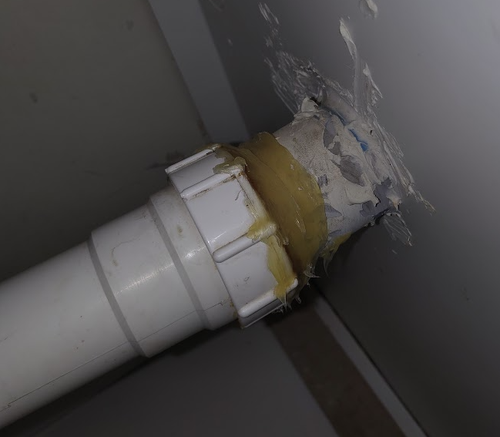
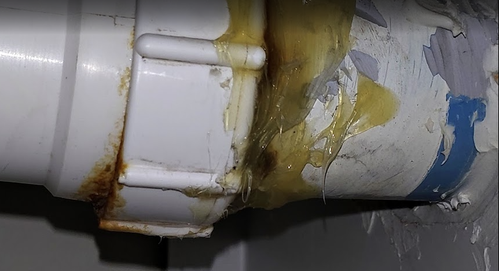
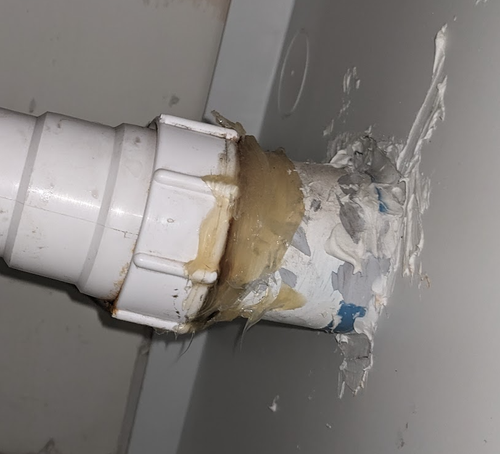
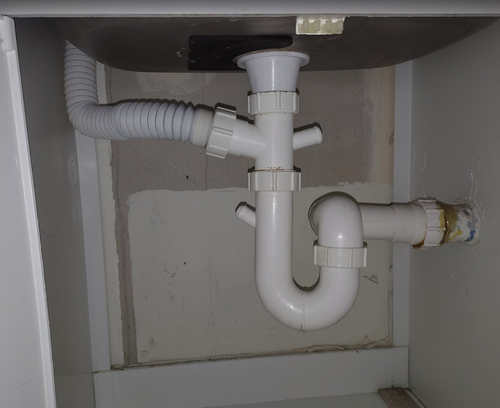
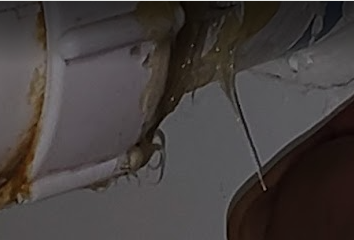
Replaced a sink basket waste in my laundry trough. Noticed that some of the joints were leaking, replaced the washers and now the leak has moved to the end of the trap - the pipe that goes into the wall. I see this has silicone sealant.


It feels like I should just be easily able to scrap the sealant off, unscrew the nut, get a new washer (the biggest one from this pack https://www.bunnings.com.au/kinetic-38mm-assorted-trap-washers-3-pack_p0162557) replace it and screw it back on. 


What I am sceptical about is, why there is sealant on this join. I can't quite see any cracks in the pipe that goes into the wall - so am hoping someone who has seen this kind of thing knows whats going on here? Last thing I want is more problems after I scrape the sealant off 


whole setup: 
Burnings_0-1748133319082.png


Sealant close ups:

Burnings_1-1748133371700.png


Burnings_2-1748133410308.pngBurnings_3-1748133449002.png


Feels stringy when I tug on it - so am guessing silicone sealant
Burnings_6-1748133586888.png


MitchellMc
Bunnings Team Member

Re: Silicone sealant on PVC at the end of P trap - should be ok to remove?

Hi @Burnings,


You're spot on in thinking that this type of joint should be sealed with an O-ring and not silicone. The nut on the end of the trap is designed to compress the O-ring and form a watertight seal. What you've likely encountered is a previous leak that someone tried to patch up with silicone instead of replacing the O-ring or properly addressing the underlying issue. It's not uncommon for DIY repairs to involve silicone as a quick fix, but it's not the correct long-term solution.


It’s also possible the O-ring is still in place, but there's either a mismatch in pipe sizing or an issue with how the pipe entering the wall was cut or fitted—especially if it’s a different type or size than standard. From your description and the photos, it does appear to be a DIY setup, and it’s hard to tell if the pipe through the cabinet is the correct dimension. If it’s undersized or damaged, the seal may never have been sound in the first place.


You’re right to be cautious—removing the silicone could reveal more problems, but unfortunately there’s no other proper way forward. Continuing to reapply silicone is unlikely to fix the issue permanently. The best course would be to remove all the silicone, disassemble the joint, inspect everything (especially the condition and size of the pipe entering the wall), and replace the O-ring with a correctly sized one from your pack.


If the pipe through the cabinet is incorrect or damaged, you may need to cut it back and glue in a new section using appropriate PVC cement. Just keep in mind that anything involving the drain line is technically considered plumbing work, and should be carried out by a licensed plumber to comply with regulations.


In short, yes—you can remove the silicone and proceed with the steps you've outlined, but do so knowing there may be more to address once you get everything apart. 


Please let me know if you have any questions.


Mitchell


See something interesting? Give it the thumbs up!

Why join the Bunnings Workshop community?

Workshop is a friendly place to learn, get ideas and find inspiration for your home improvement projects