The Bunnings Workshop community can help with your home improvement projects.
I am looking for advice on a few issues in my shower and would really appreciate your guidance. I have attached photos for reference.
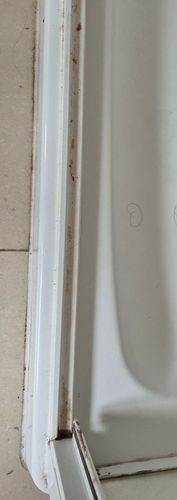
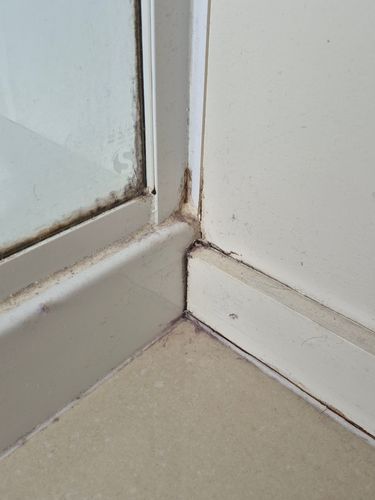
i. Mould and staining around shower frame and different corners
There is black mould and staining around the aluminium frame and corners. I have tried regular cleaning this, but it keeps coming back.
• What’s the best way to clean this properly?
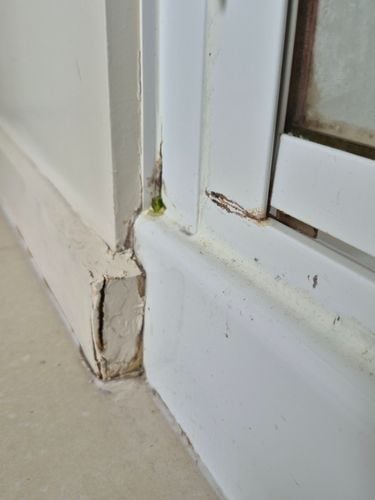
ii. Damaged / swollen wall or trim near the shower base
The wall/trim at the bottom corner looks damaged and swollen, possibly from water exposure.
• Can this be repaired, or does it need replacement?
• What products or materials would be suitable for a bathroom area?
iii. Old or failing silicone sealant
The silicone around the shower base and corners looks old, cracked, or missing in places.
• Should I remove and re-silicone everything? Which product from Bunnings would you recommend for showers?
iv. How to fix some broken Plastic frame? or should I through it out ?
Thanks in advance for any advice!
Solved! See most helpful response
Hi @Tann,
Mould around the aluminium frames is caused by moisture and poor ventilation, meaning it does not dry out. The issue is that if mould is behind the shower frame, then you will only be able to kill and remove the surface-level mould; the mould behind the frame will still be there. Unfortunately, the best thing you can do without removing the frame so you can get to the mould behind it, is to regularly clean the mould that appears using a mould cleaner and a scrubbing brush.
The timber trims depend on the severity of the damage. They don't appear to be too far gone, but if they have rotted to the point that they crumble when pressed with only a small amount of force, then they would need to be replaced. Being a bathroom, you'd want to use a trim that is capable of withstanding some water, which means they will need to be H3 treated. Something from the Woodhouse Weatherproof range, along the lines of this 42 x 11mm H3 Treated LOSP DAR would be the way to go.
If the rot is not too bad, then you can just put wood glue in the cracks and compress the timber while it dries. After gluing the timber back together, paint them to seal up the cracks and seal the seams around them with silicone.
If the old silicone is cracked, then it is likely contributing to the moisture issues and would definitely be worth removing and replacing. To remove the cracked silicone, you can use a Monarch Caulk & Sealant Remover or a utility knife, ensuring you wear the relevant protective equipment, such as gloves and long protective clothing, to reduce the risk of lacerations. If it is particularly difficult to remove, some Selleys Sealant Remover will also help. Once removed, you can use a bathroom silicone like this Selleys White Wet Area Waterproof Silicone Sealant. Have a look at How To Silicone a Gap for some guidance.
Unfortunately, if the plastic frame is broken, then the best approach is likely to replace it. If you could show us some close-up photos of the damage, then we could certainly look at options, but replacement seems likely.
Let me know what you think and if you have further questions, please don't hesitate to ask.
Jacob
Workshop is a friendly place to learn, get ideas and find inspiration for your home improvement projects
We would love to help with your project.
Join the Bunnings Workshop community today to ask questions and get advice.