Steps
Step 1
The area that I had to excavate used to be a pond. I figured there wouldn't be a lot of soil to move. Underestimation to the max. (The excavation and fixing the water ingress are two projects. This is the second part for the Gabion wall itself) I started by winding fencing wire to become the spirals needed for holding the cage edges together.
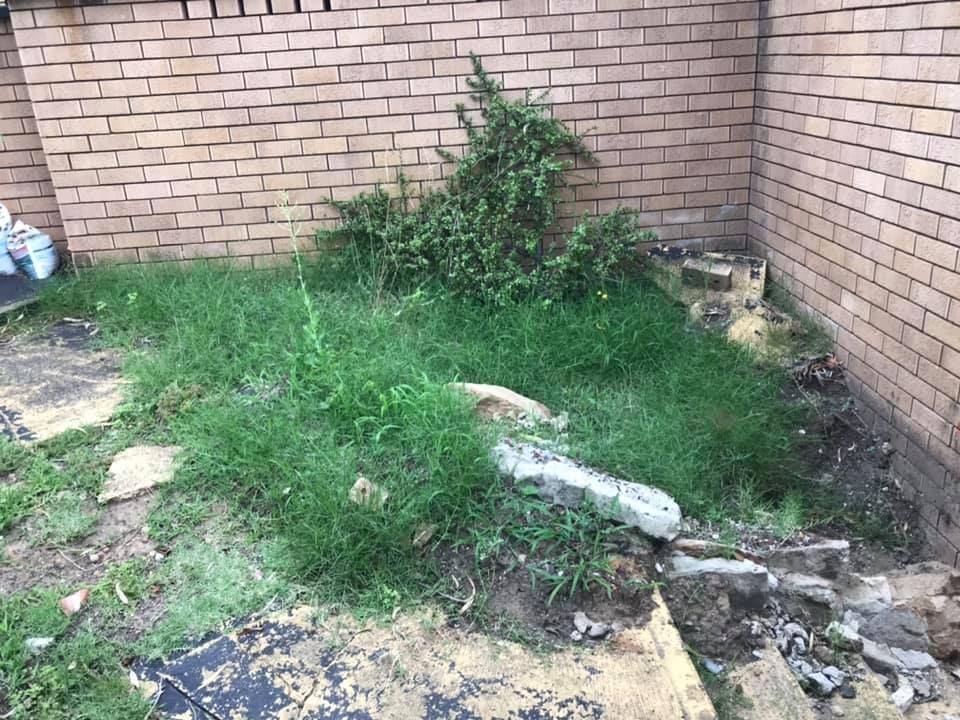
This is the area that was potentially allowing the water entry into the garage. (The garage is on the right)
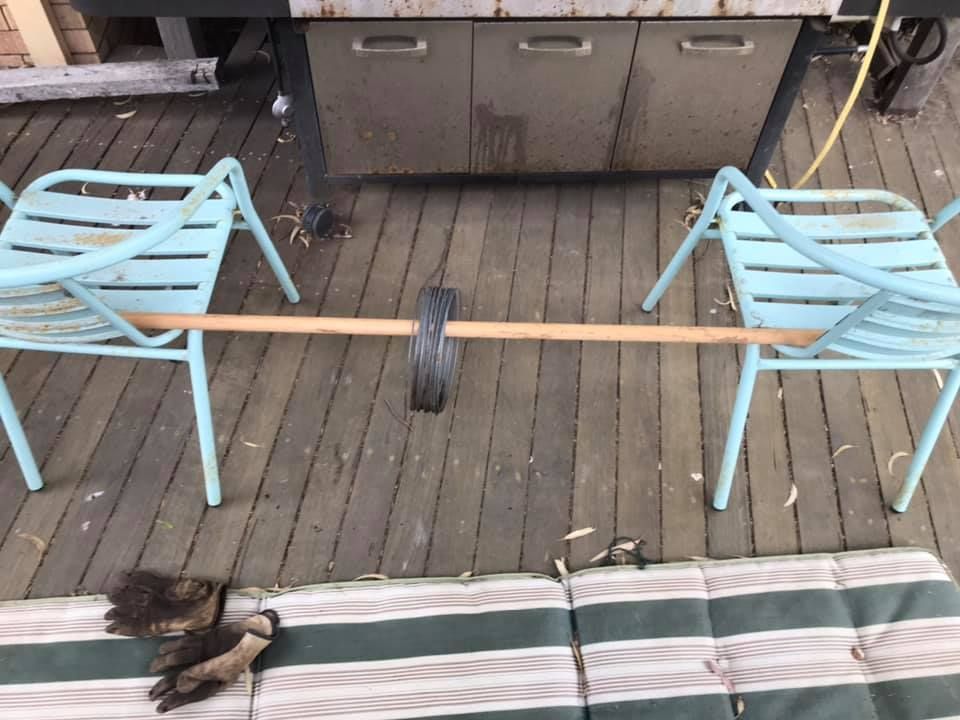
Making up the spirals for the gabion walls edges. I wound 3mm or 3.5mm fencing wire around the broomstick in a tight spiral. It really works out your hand and arms.
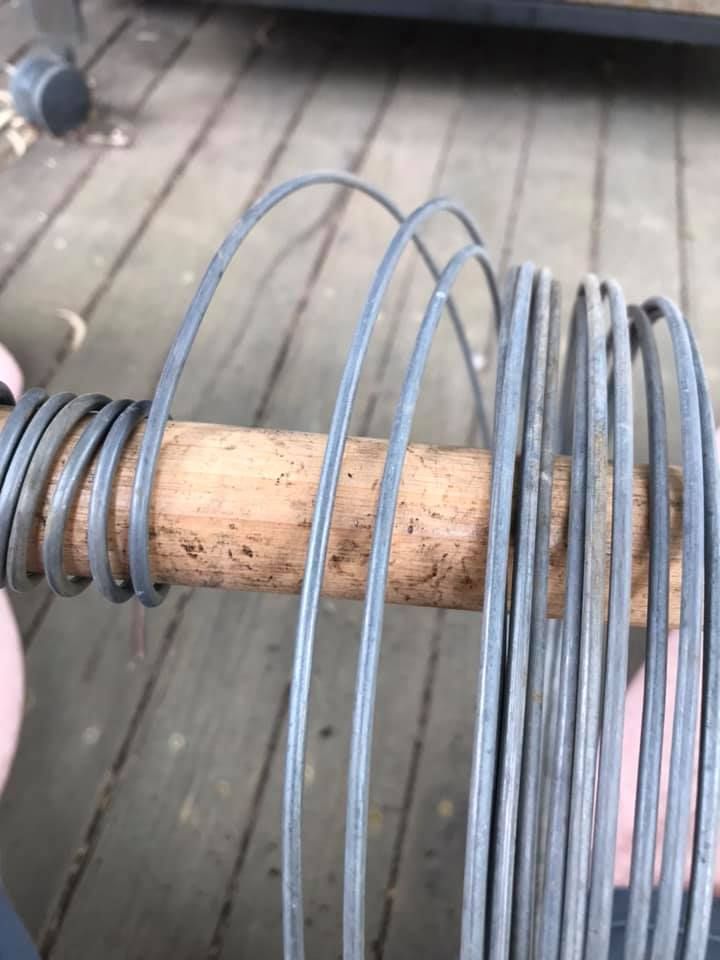
So you hold the end of the wire hard with your left hand and then wrap the wire tightly around the broom with the right, then release and another half turn twist. Later version I drilled a hole through the center of the broomstick to insert the end of the wire. It made it easier to do. Also I cut the lengths of wire around 2m so the spiral didn't end up too large.
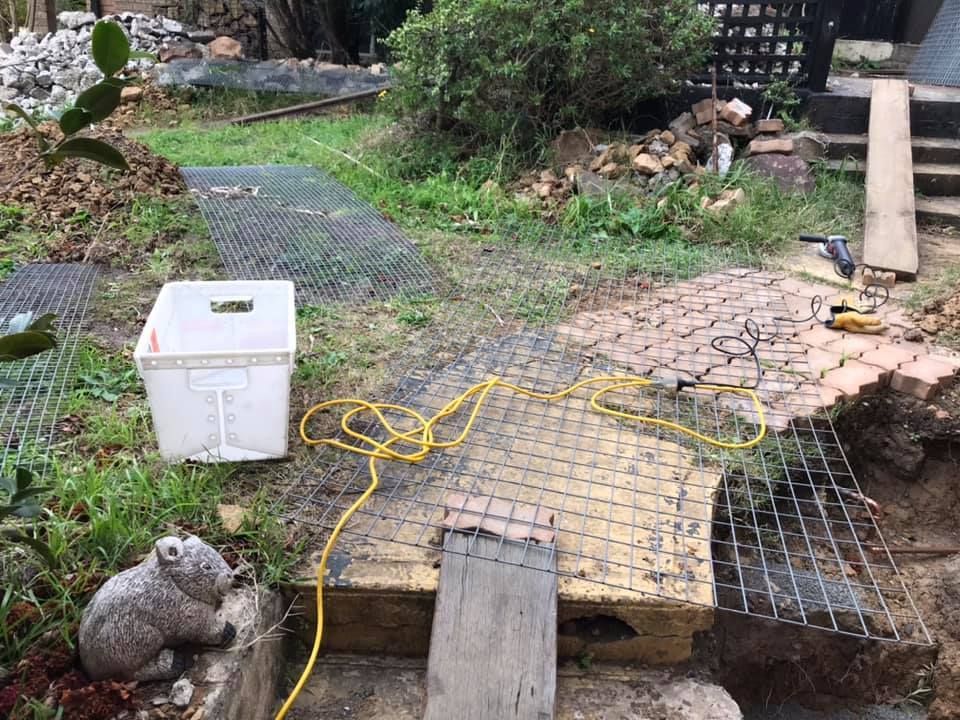
I had almost enough mesh for the cage but they pieces I had were of different types. The largest sheet I kept for the Front facing edge.
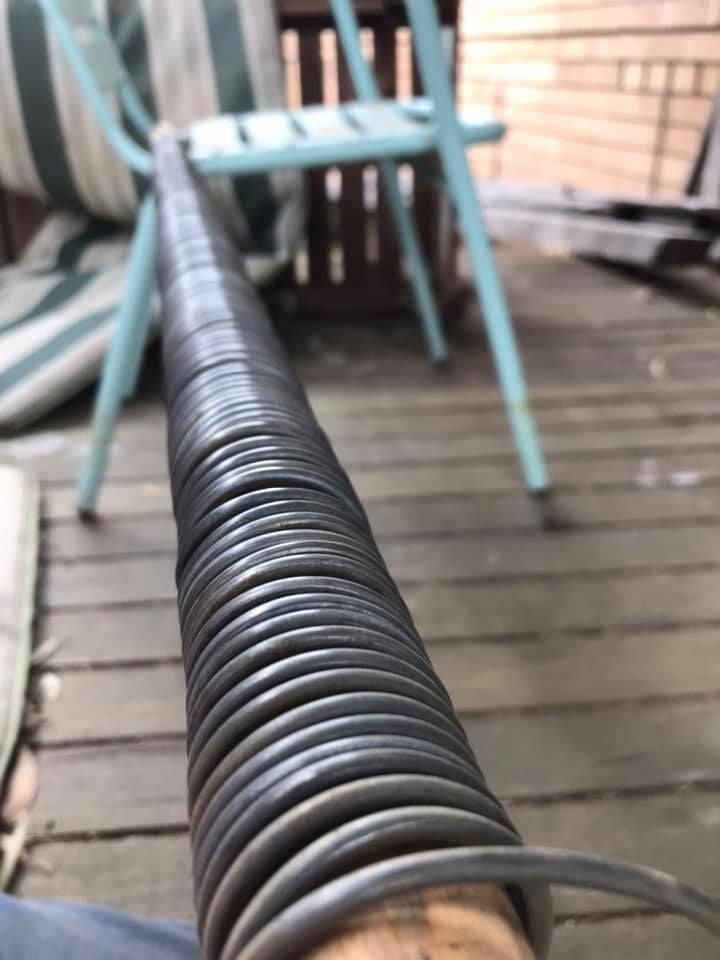
I have since modified into doing shorter spirals as the longer length it not needed as I can chop it into segments for easier installation.
Step 2
With the different sized pieces I really wanted to make sure they were secure and wouldn't stretch with time. I also made sure I put in stay wires to stop the middle wanting to spread out when filling the cages.
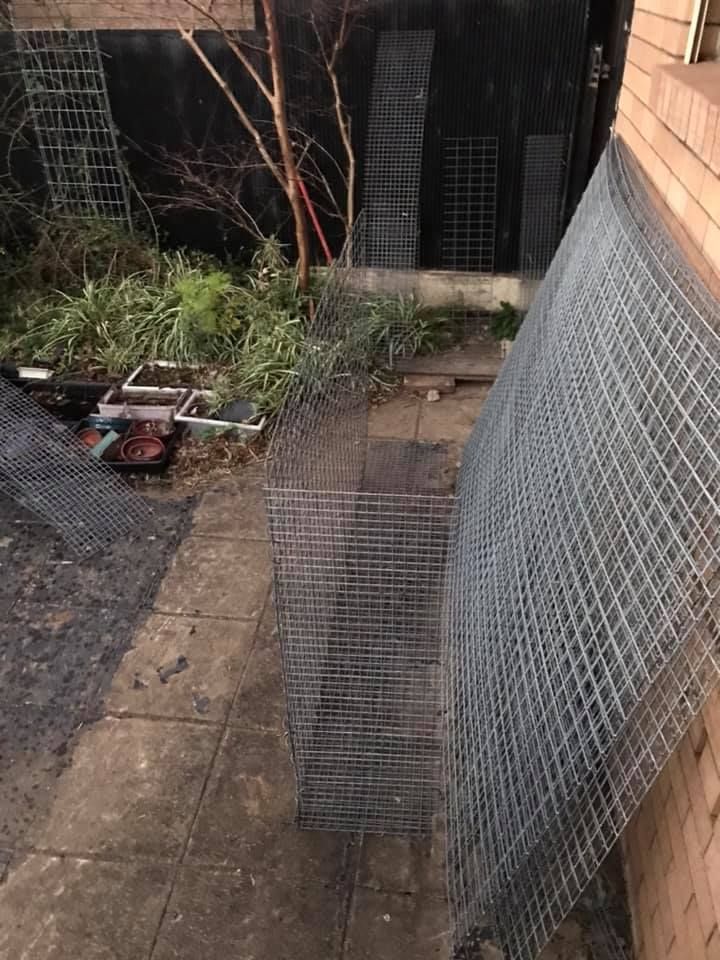
The mesh against the wall is for the front gabion walls yet to be built so I couldn't use that. The mesh I used was bits left over from previous cages.
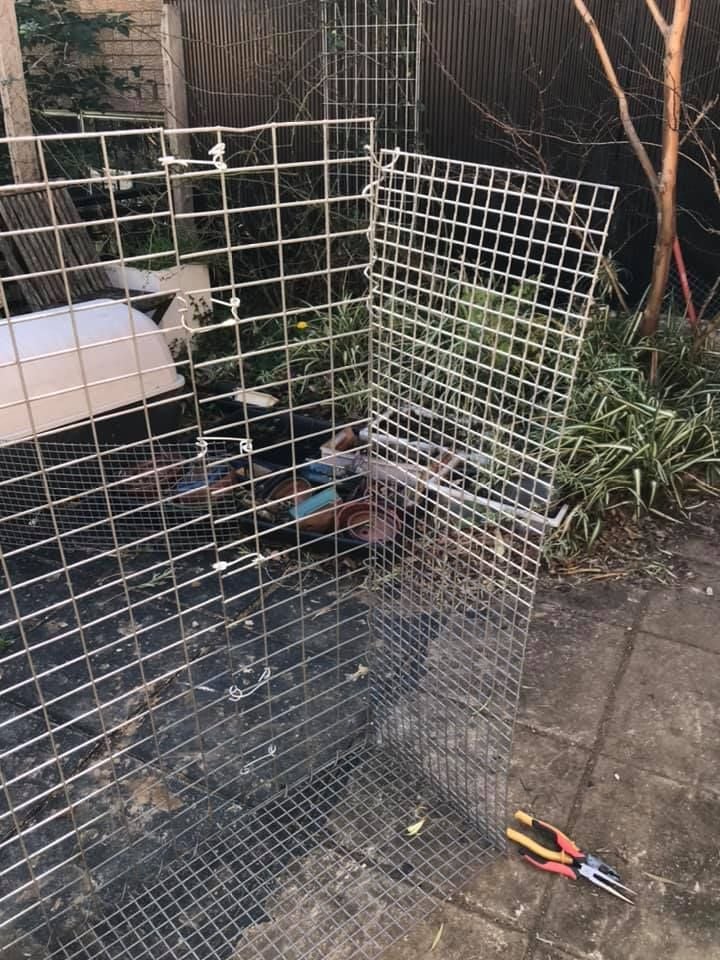
As you can see I kept the cage dimensions the same but used different types of mesh. It worked as all the stitched together mesh was buried behind the wall.
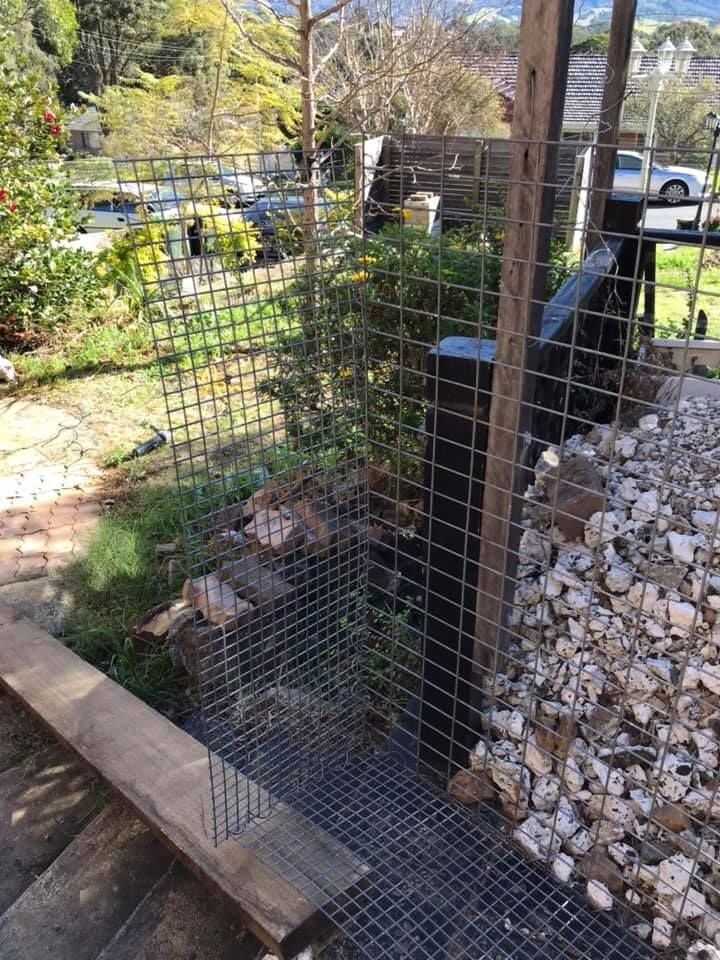
Putting the cage together. It is taller then the usual ones I build but I wasn't particularly concerned as it was going to be sitting on a soapstone base and only hold soil for maybe 2/3rds max of its height.
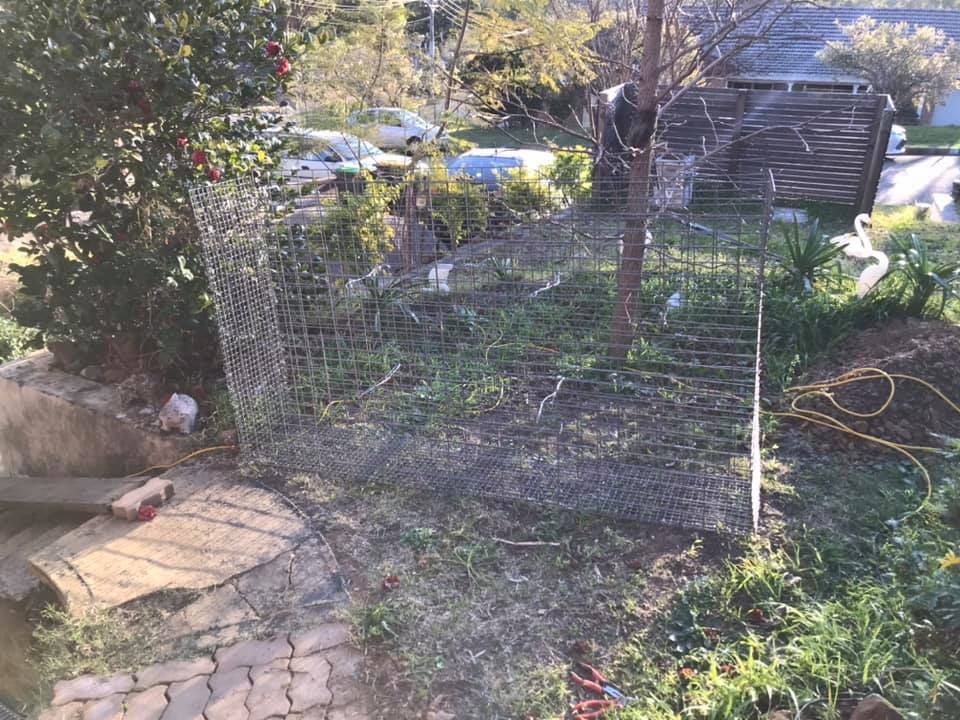
Slowly coming together.
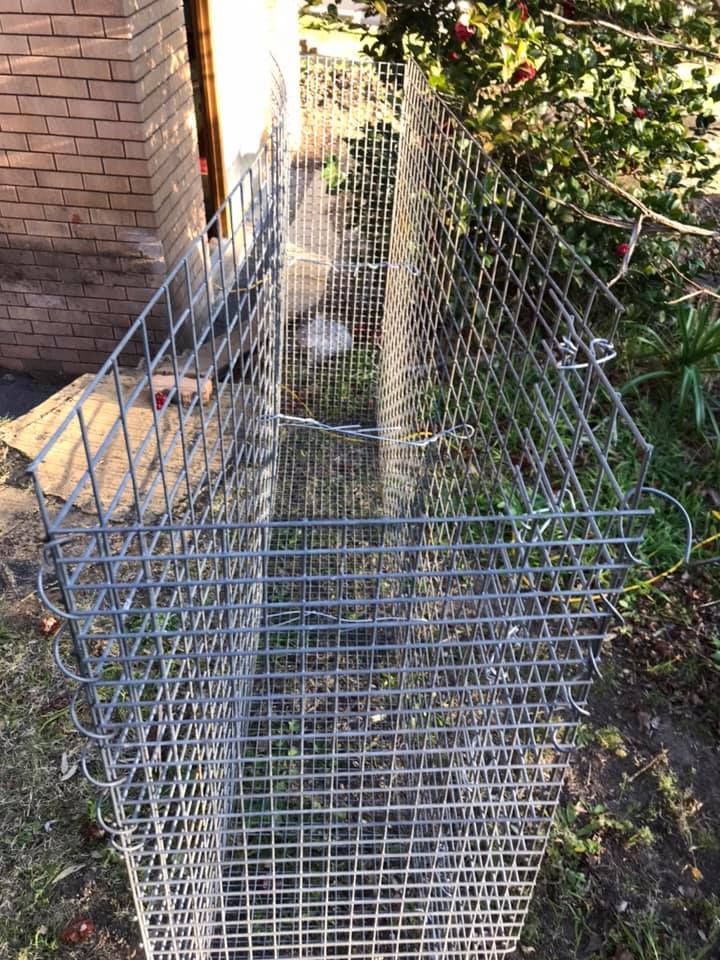
Just showing the stay wires to make sure the middle doesn't get that "spread" expansion.
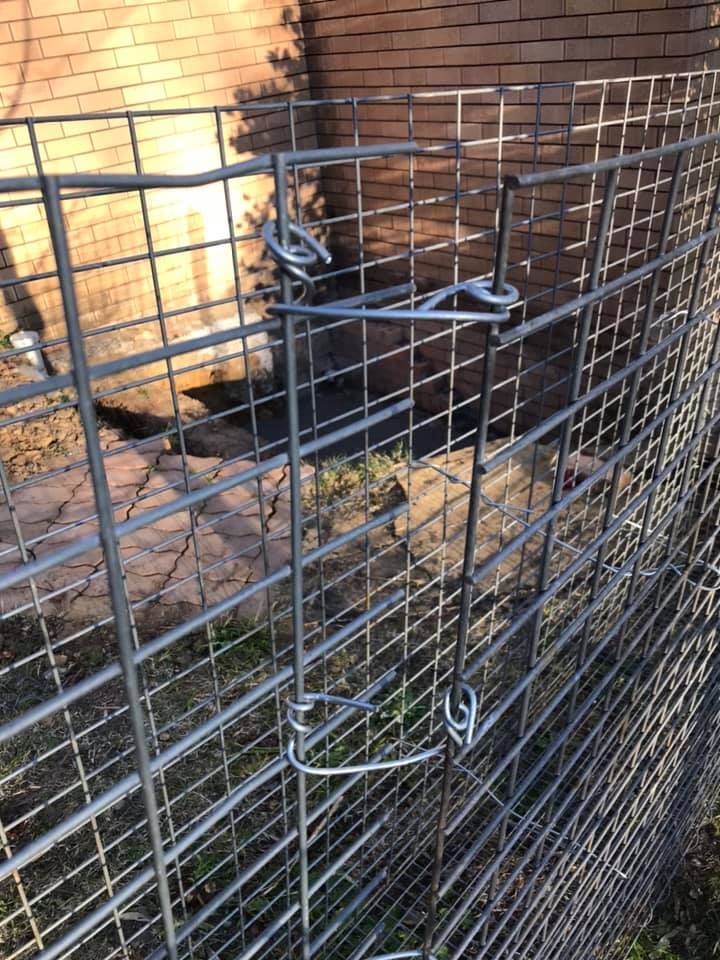
How I joined two sections together on the same wall. not the tidiest but it was going on the back side of the cage so wouldn't be seen.
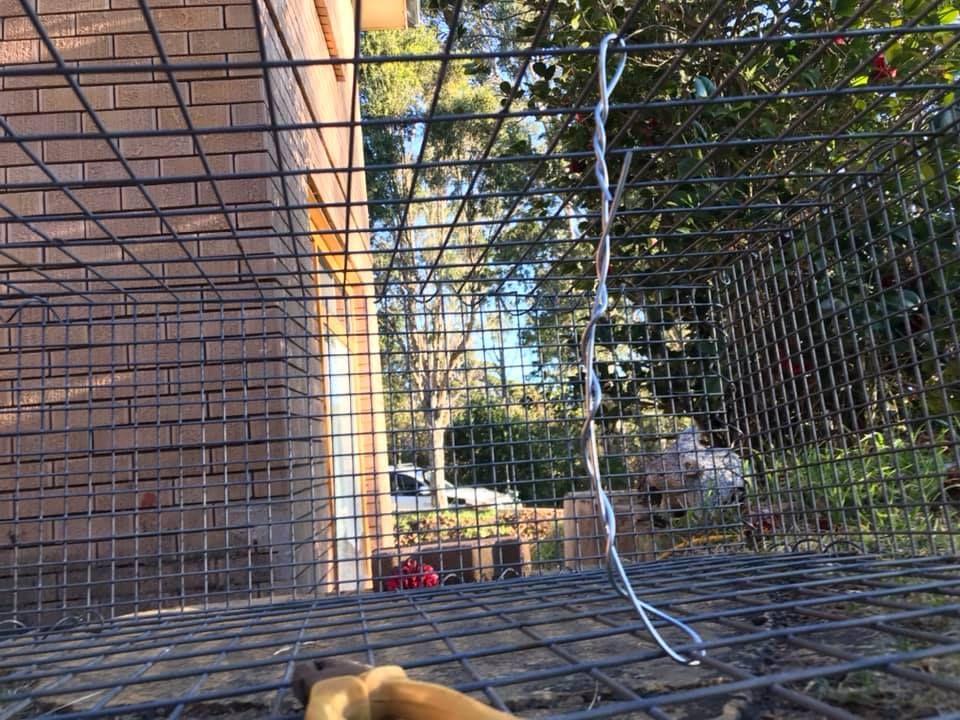
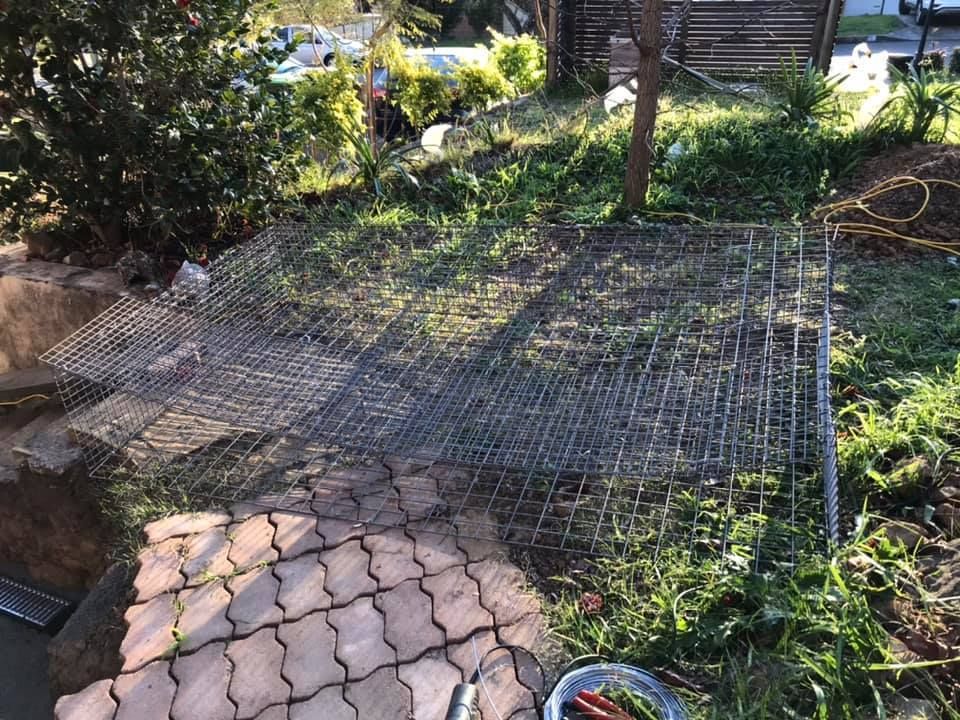
Putting the lid on. I do it as it really squares the cage up and shows if anything has gone badly wrong. I also spiral the far side of the cages lid/spine completed as it makes it easier to fill the cage (As compared to leaving the lid off until its full which would make it harder to stitch the top down)
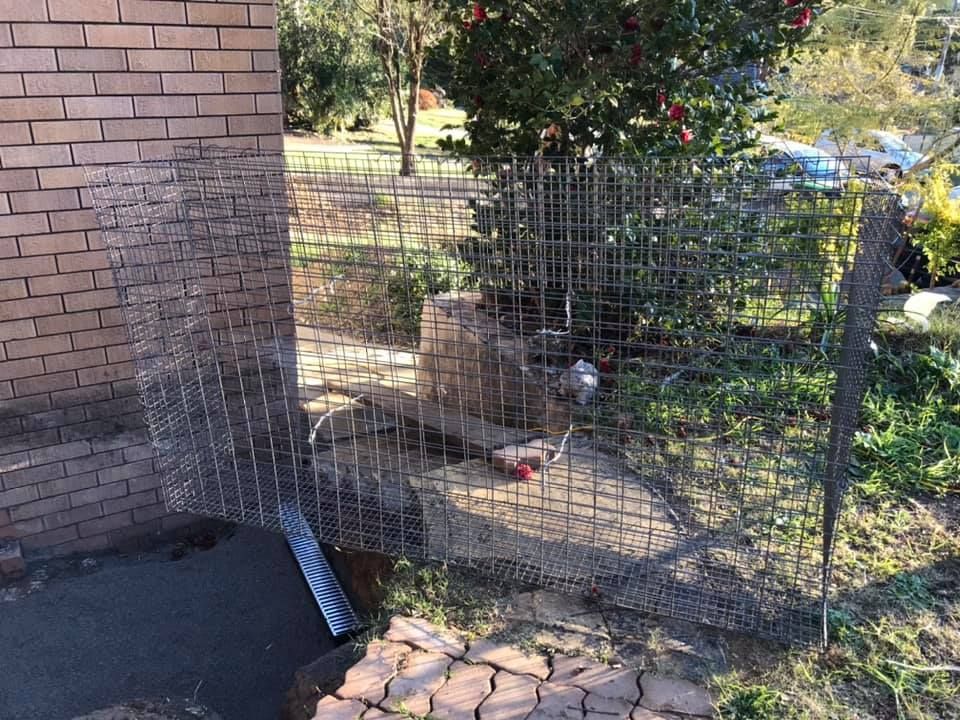
Completed and ready to be dropped in.
Step 3
Placement and filling the cage are next. making sure I put some geo technical cloth behind the cage to stop fines from entering the cage so easily. I reused some upholstery backing that was being thrown out at work. Its still going strong after almost 2 years of being buried.
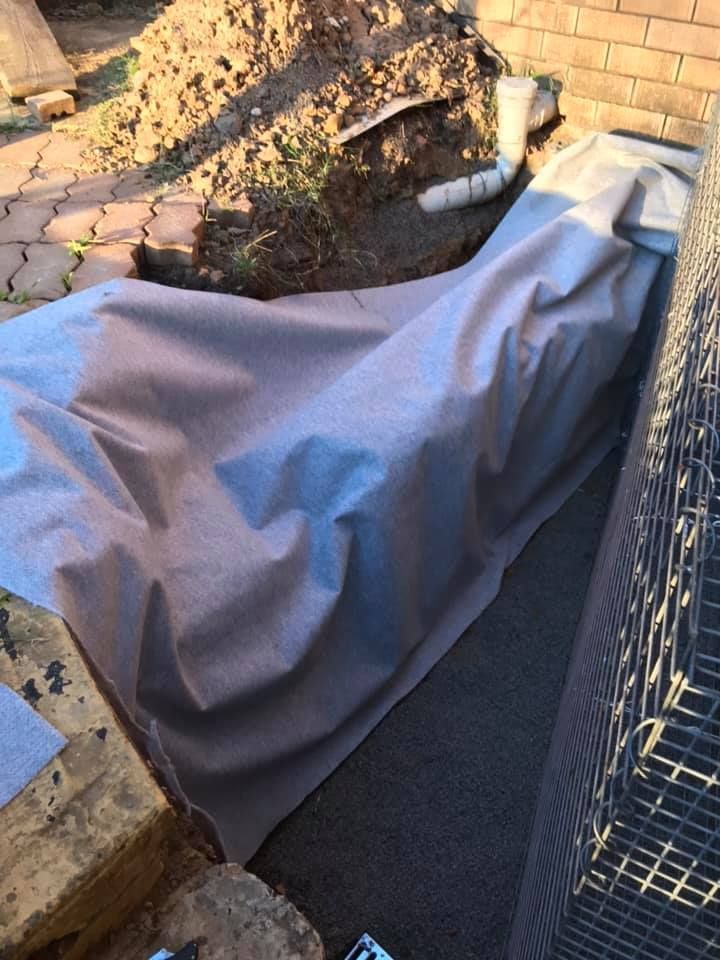
Making sure the cloth went to the base of the cage. There is gravel underneath the cage by about 30mm and then soapstone rock.
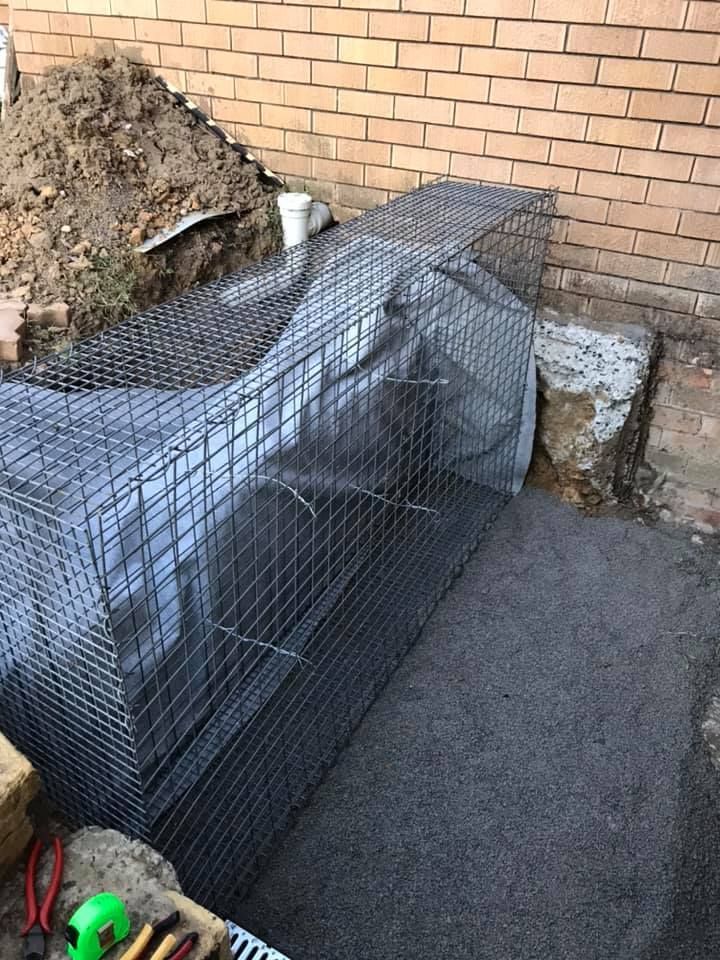
In place and ready to be filled.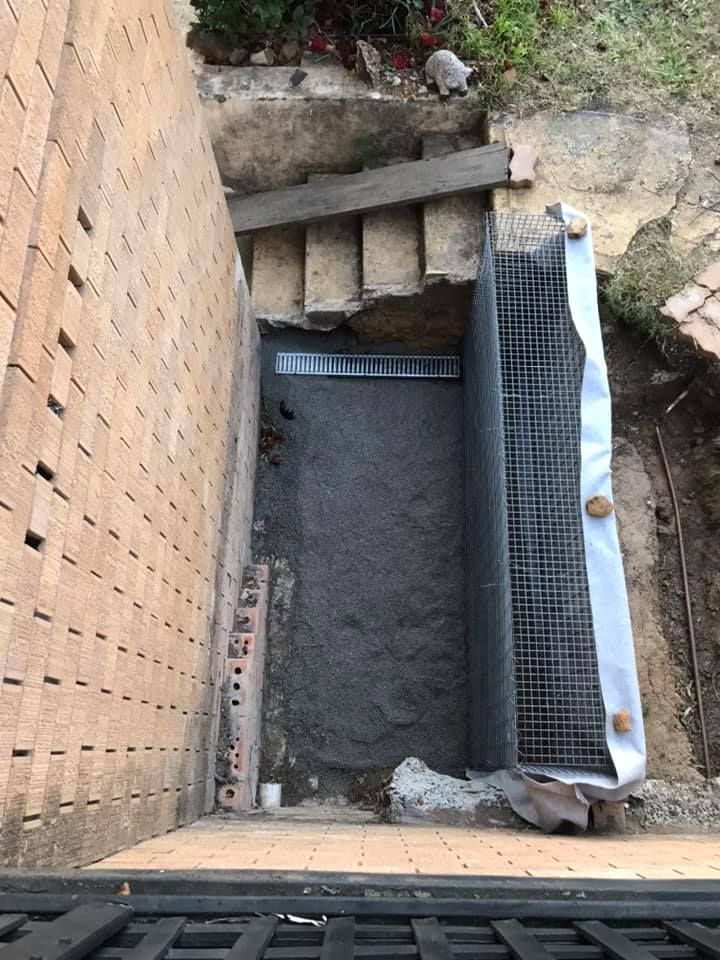
Making sure the lid closes square and the geo tech material was going to be in the right place.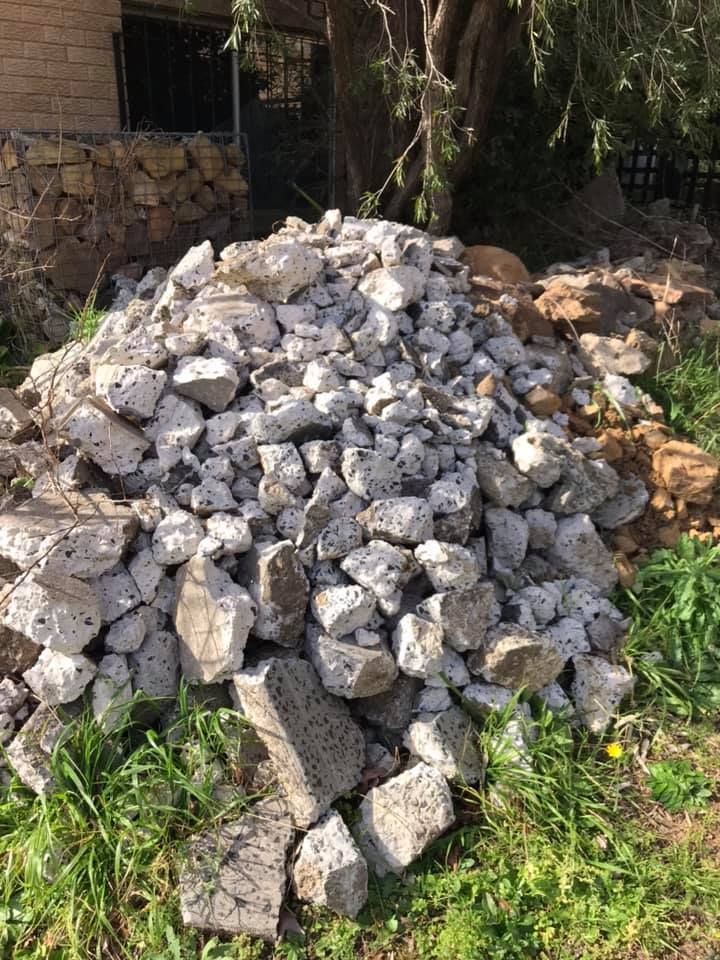
One of the rock/waste stone piles I have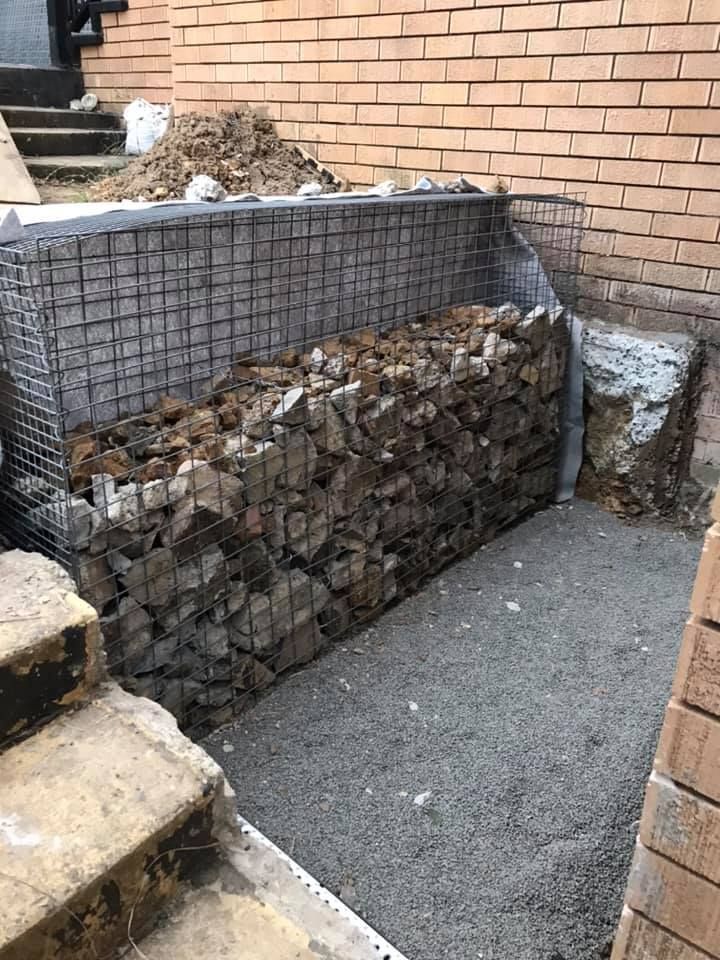
Filling bit by bit. Placement of the concrete/stones is important as I dont like the idea of having air gaps/holes in the basket itself. Think of it like a jigsaw ish that slowly builds up. Its not super tidy but definently binds together better then just throwing the rocks in.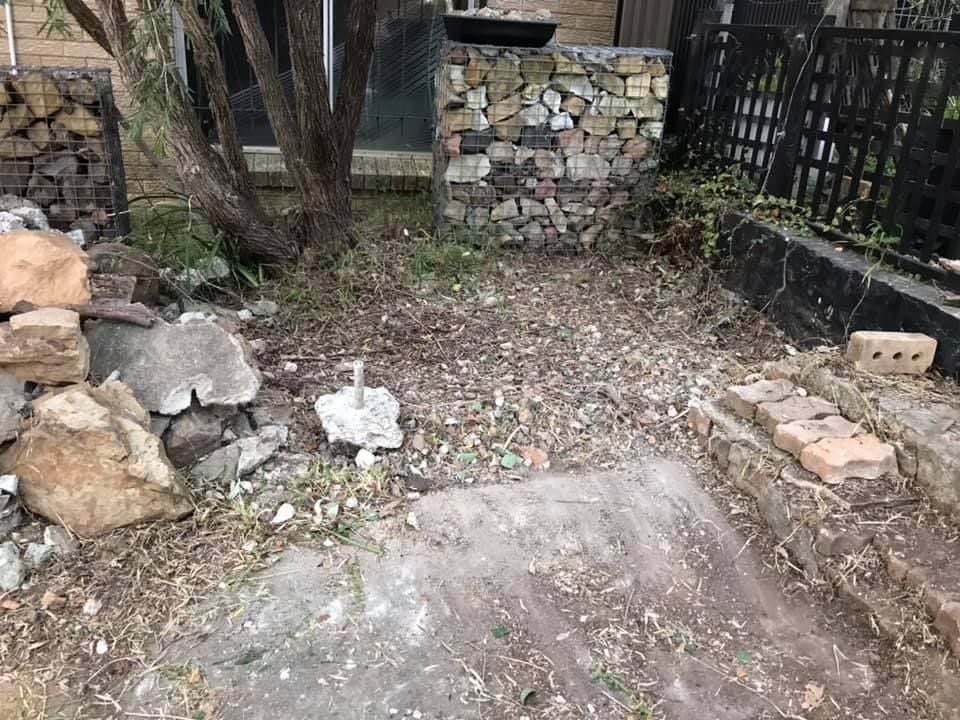
One pile gone.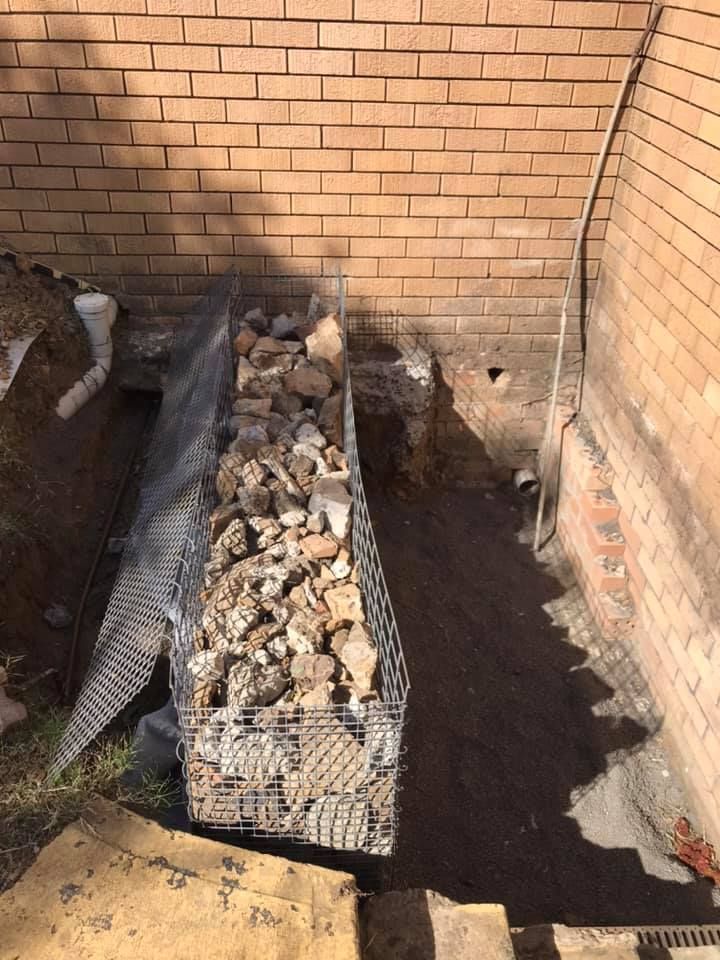
 Almost done, This is where I pick and choose the top facing rocks I want. Things to make it look consistant and level.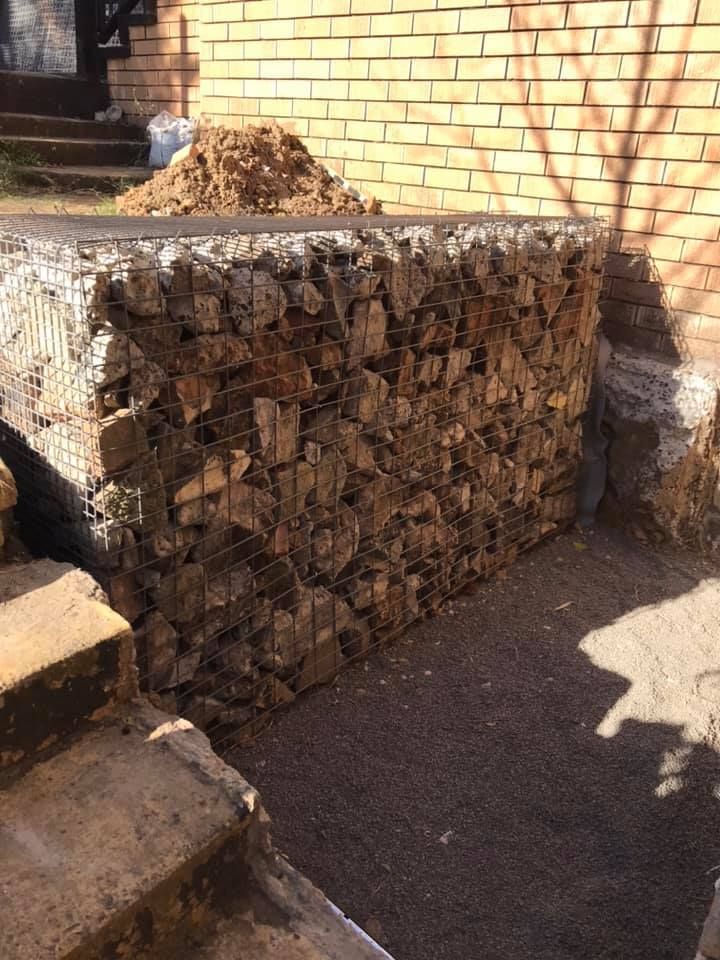
Wall is full, I usually pour small fragmented gravel/leftover concrete over the top for infill. Just depends on what it looks like.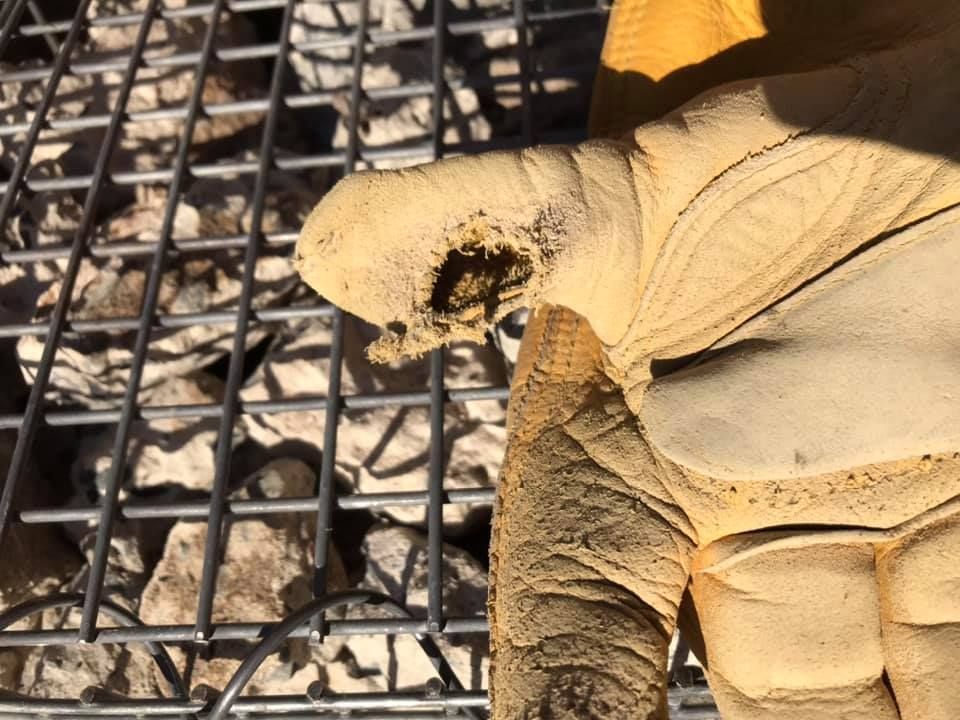
I went through so many pairs of gloves as chipping concrete trashes all gloves.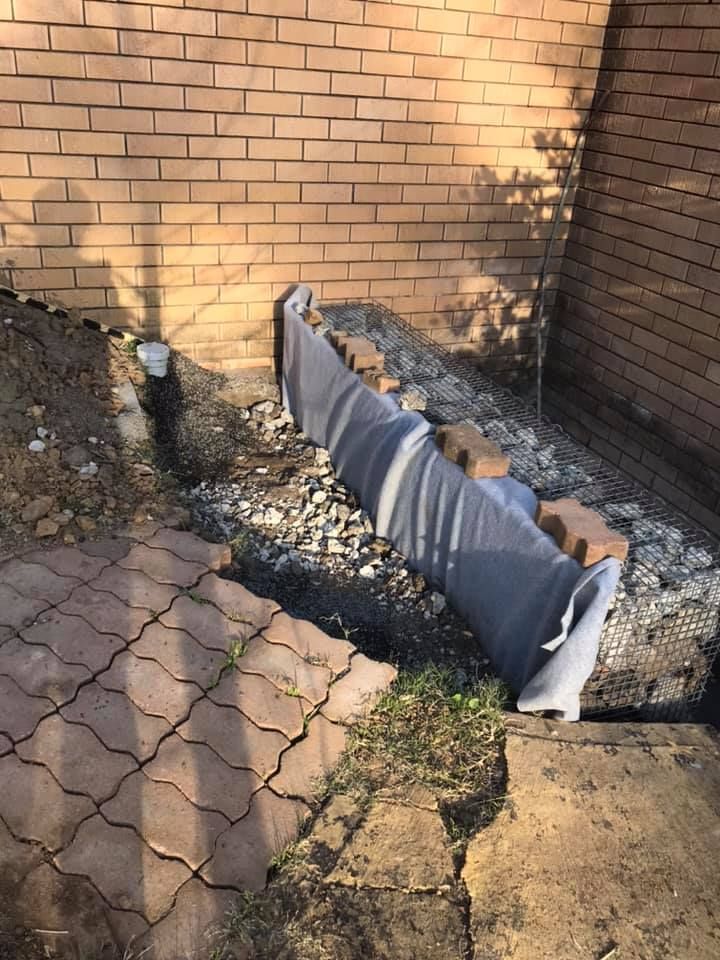
Course leftover concrete used at the base of of the wall to allow better drainage.
Step 4
The last bit was drainage (I cover this in the second part of the project) and paving this area. Plus waterproofing the brickwork of the garage.
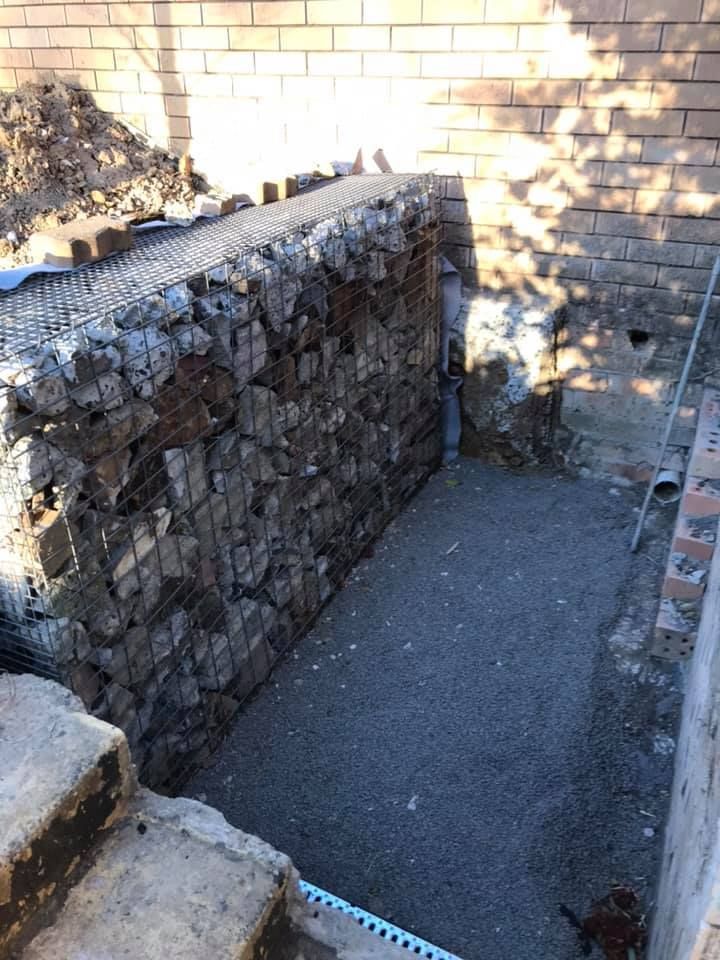
Time to waterproof
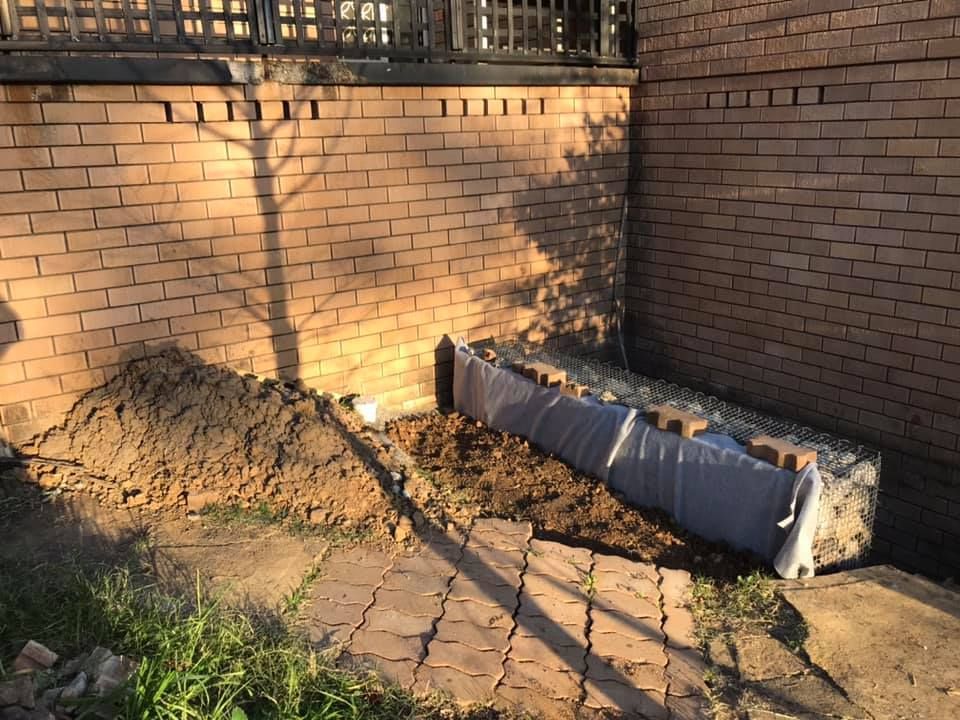
Backfilled with a little clay just to get the material to stay in place.
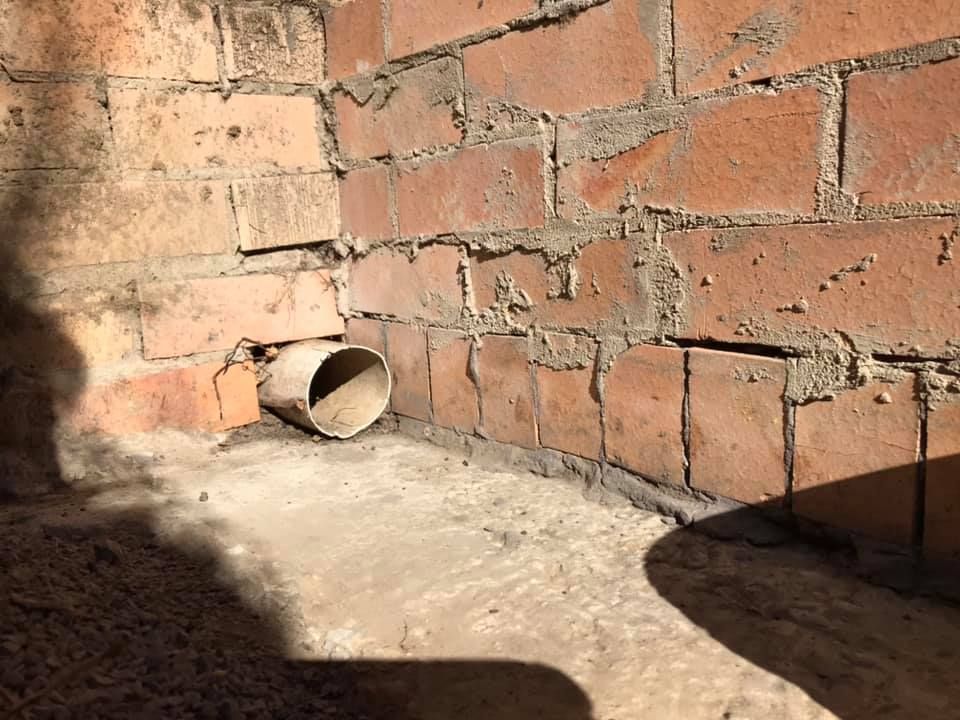
This old stormwater pipe goes under the house (it has horizontal slits in it) and follows the wall. Im not sure how it should have functioned as it is dry under the house.
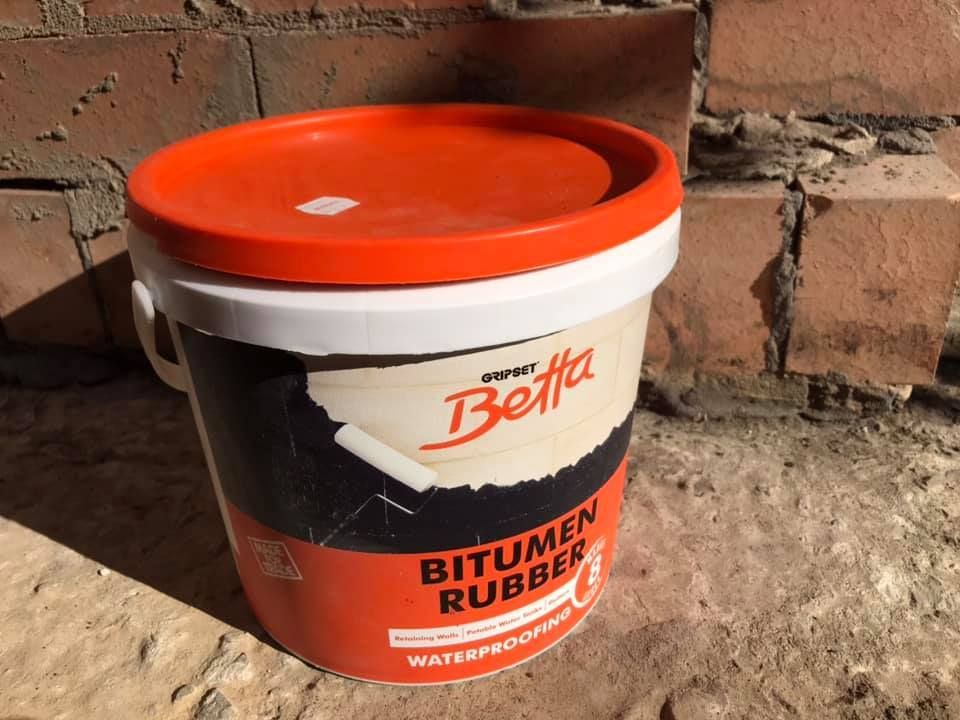
The waterproof material I used. I did not know that bricks are pourus 😲 Or cracks in brickwork can let water through... Seriously should have used logic on that but I just didn't think. After this, nothing is going to leak!
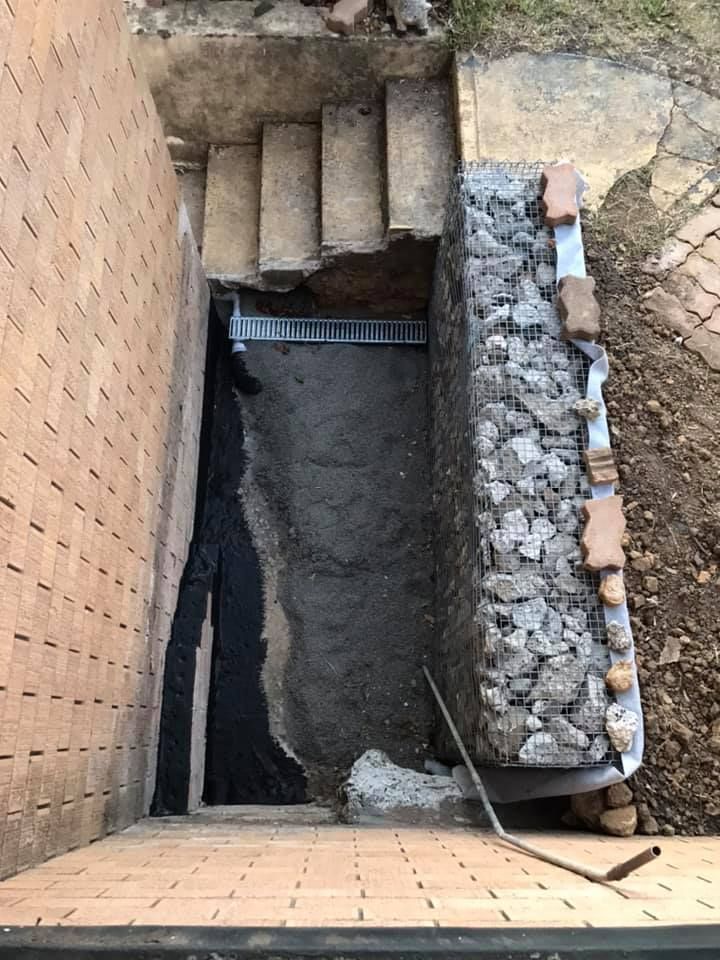
All waterproofed. The Bitumen is extremely gluggy and the paintbrush is thrown away afterwards. Do not get on hands or clothes as it will not shift!
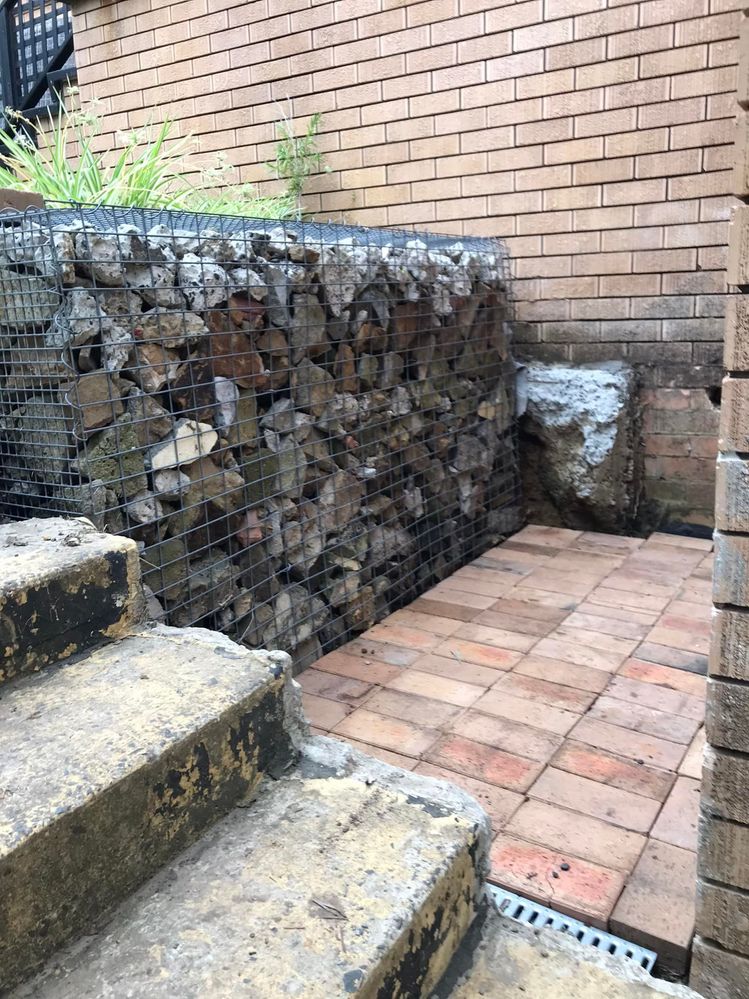
After paving. I think it came up nicely
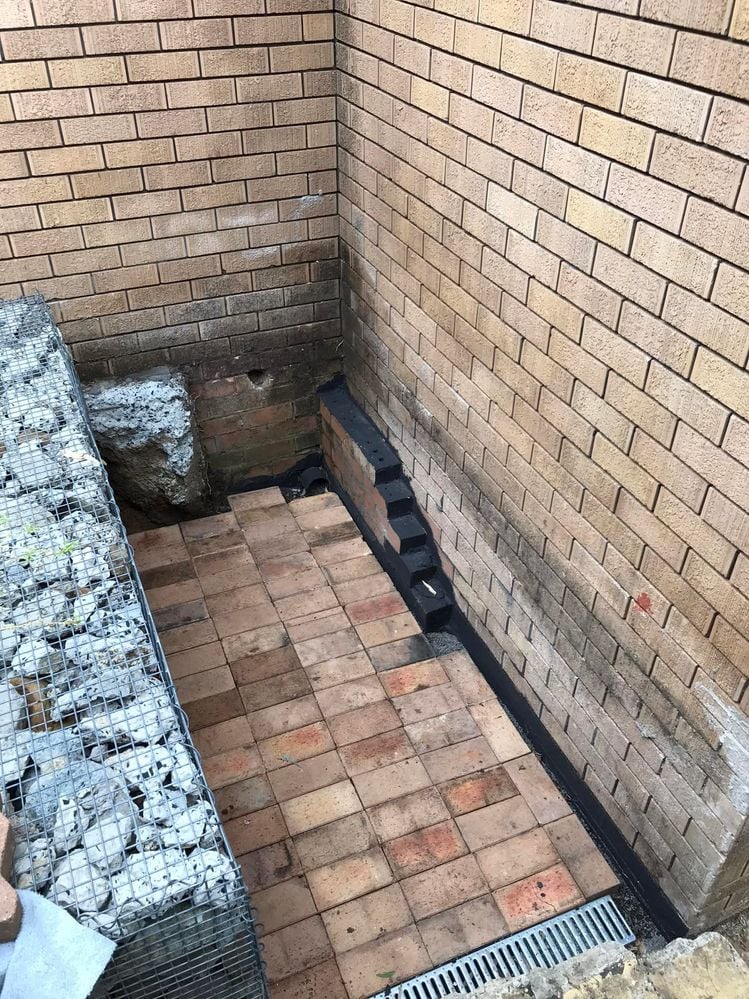
There is drainage under the pavers and gravel and that is shown in another project.
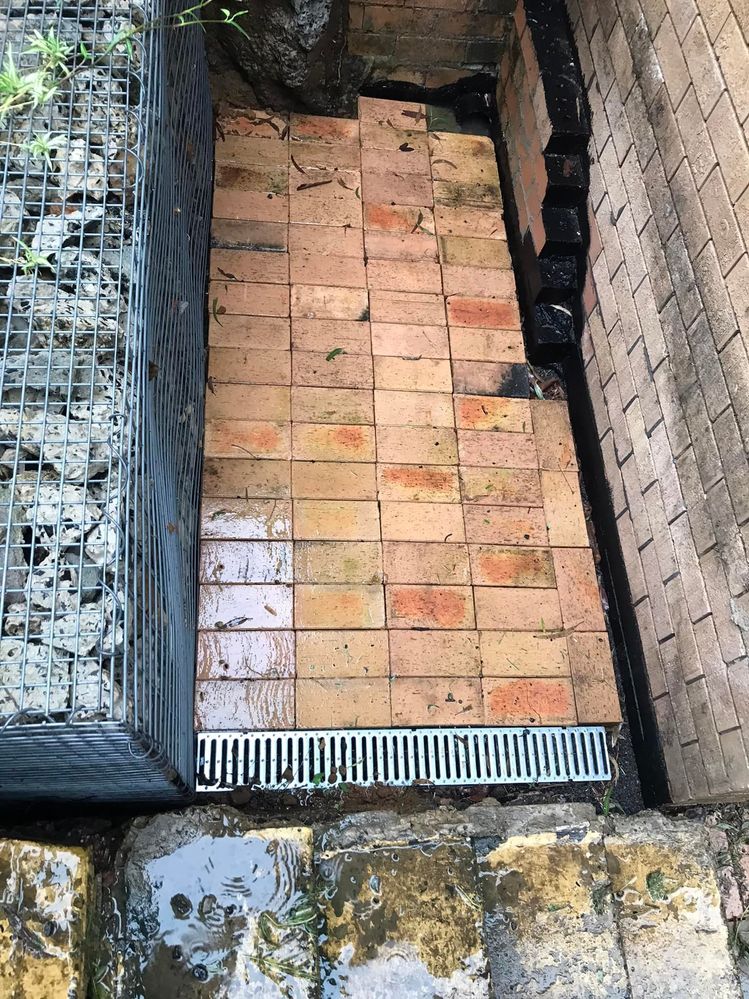
This was during an absolute downpour at the beginning of March 2022 The drainage worked a dream, the wall has not shifted and it all seems to have bed in nicely.


