Workshop
Ask a question

The Bunnings Workshop community can help with your home improvement projects.

How to convert Easyshed lourve window and doors to be habitable?

renzo75
Just Starting Out

How to convert Easyshed lourve window and doors to be habitable?

Good morning all,


First time writer, long time reader.

Long story short, my son wants to chill in the shed with a bed (during his gaming sessions) so I've insulated, put down waterproof menbrane, in the process of gyprocking etc. and have decided to apply to make it officially habitable.

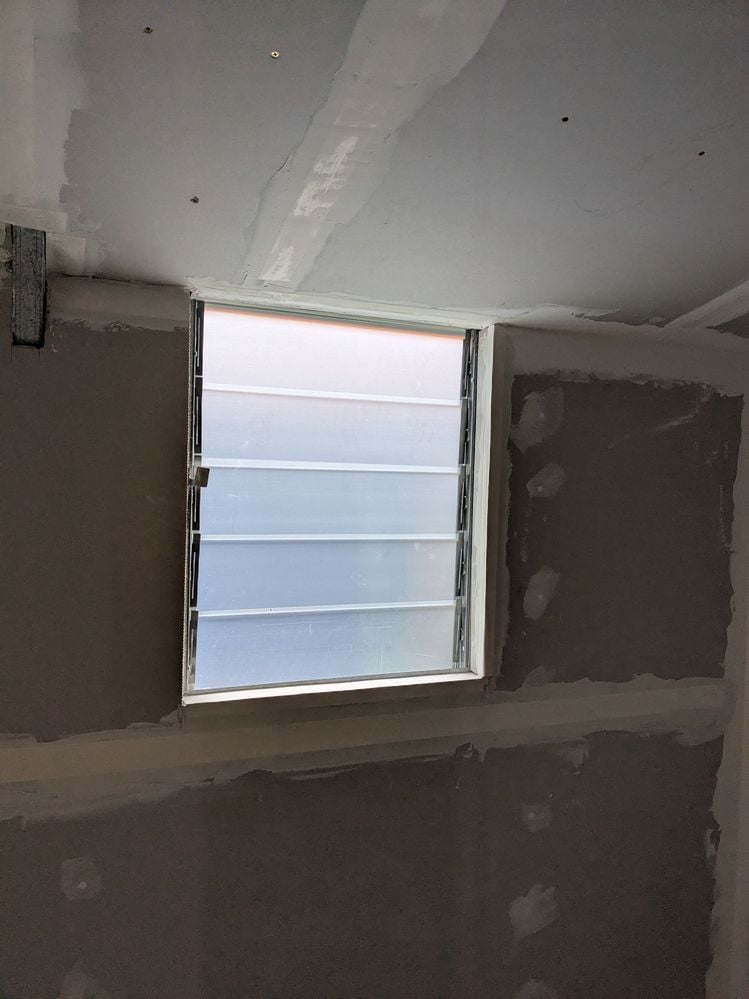
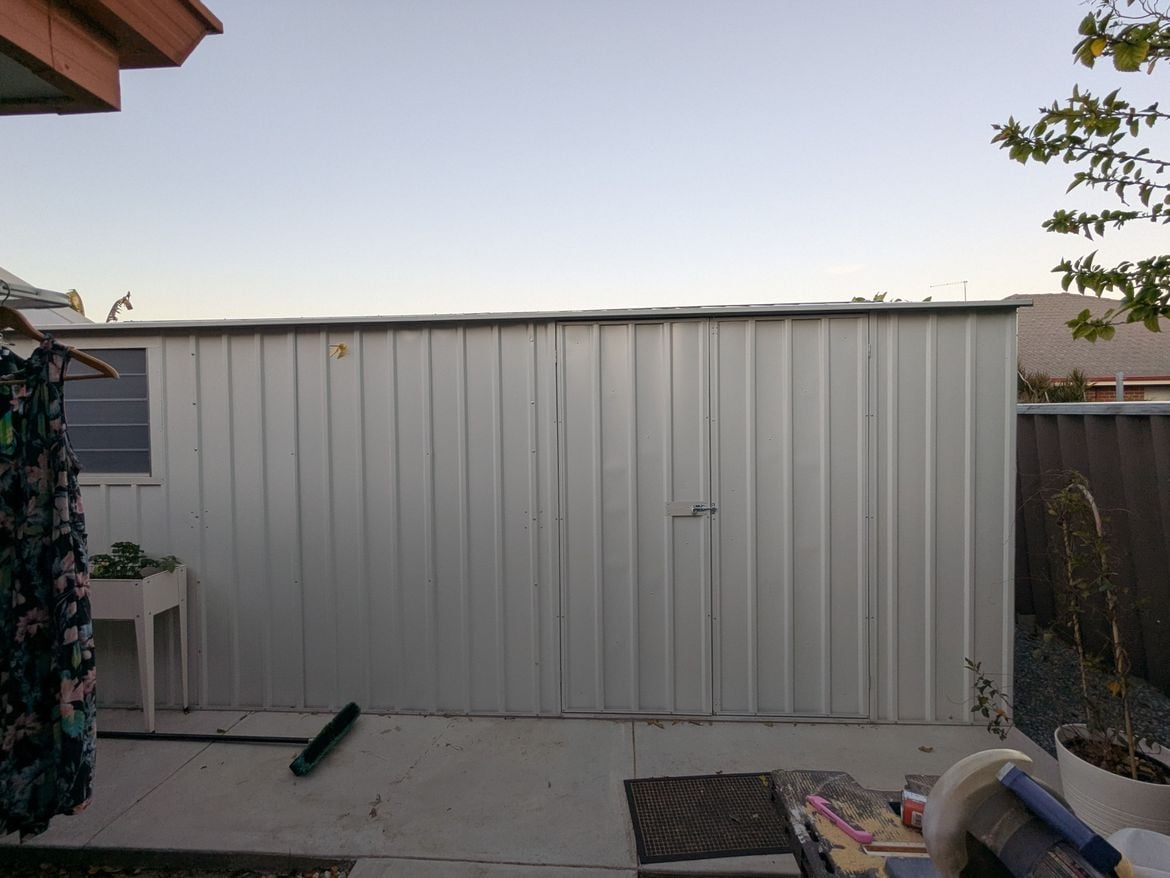
The only 2 things, as per image, are the "louvre window" and shed doors..

Window - I can probably get a window guy in to help make it glass etc but the doors I have no idea how to proper door them (noting they'll be exposed to some weather too).

It's a shed from Easyshed... Has anybody had experience converting the doors similar to this to a double of double open or even a single open? I understand maybe a door jamb something but I want to get the right into first...


Thank you.


Renzo.PXL_20250515_092030996.jpgPXL_20251005_070703776.jpg
MitchellMc
Bunnings Team Member

Re: How to convert Easyshed lourve window and doors to be habitable?

Welcome to the Bunnings Workshop community @renzo75. It's brilliant to have you join us, and many thanks for your question about shed conversions.

Converting a shed into a habitable space is a fairly intensive job, because there are quite a few regulations that a “habitable room” must comply with. Before you start altering windows or doors, it’s important to understand these requirements so your conversion will be legal and safe.


Some key things a habitable space needs to have include:


  • Insulation: Walls, ceiling, and sometimes floor need to meet minimum R-values for thermal performance.


  • Natural light and ventilation: Windows must meet minimum sizes relative to the floor area of the room. Depending on your shed, the existing louvre window may not provide enough light or ventilation.


  • Egress requirements: Windows may need to be big enough to act as a fire exit.


  • Moisture and waterproofing: Floors, walls, and ceilings must be protected from damp.


  • Sanitary facilities: A habitable room must generally have access to a toilet, handbasin, and often a shower. These can’t just be elsewhere on the property unless local council regulations allow shared facilities. Usually, the law requires these facilities to be directly accessible from the habitable space.


  • Connection to services: Toilets and sinks must be connected to an approved water supply and wastewater system. That usually means plumbing into your main sewer or an approved septic system.


  • Structural compliance: Any changes to doors, walls, or windows must maintain the integrity of the building.


Regarding your doors, you’re on the right track. Converting Easyshed doors to a standard hinged or double door typically involves:


  • Framing out the existing opening with timber so it can support a proper door jamb.


  • Removing the current shed doors.


  • Installing door jambs and framing the wall properly to accommodate a standard door.


  • Ensuring proper weatherproofing to keep rain out, including door seals, flashing, and possibly a threshold.


For the louvre window, you could engage a window professional to replace it with glass that meets minimum habitable room requirements. Depending on the size of the room, you may need to increase the window size to comply.


It’s worth noting that converting a shed to a habitable room is usually more complex than building a new outbuilding designed to be habitable from the start, because everything has to comply with building codes. Any alterations you make to doors or windows must align with these regulations, and the easiest way to get a clear idea is to talk with your local council. They can outline what is needed for approval, and whether your current shed is structurally suitable for conversion.


Essentially, you’ll need to start with the regulations in mind and possibly work from scratch in terms of framing and openings. It’s doable, but it’s not a minor D.I.Y. job; it’s more like a small construction project.

Please let me know if you have any questions.

Mitchell
 

See something interesting? Give it the thumbs up!

Why join the Bunnings Workshop community?

Workshop is a friendly place to learn, get ideas and find inspiration for your home improvement projects