Workshop
Ask a question

The Bunnings Workshop community can help with your home improvement projects.

How to improve garden with sandy soil?

Rys
Getting Established

How to improve garden with sandy soil?

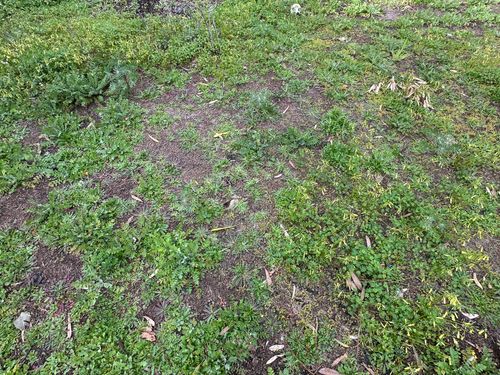
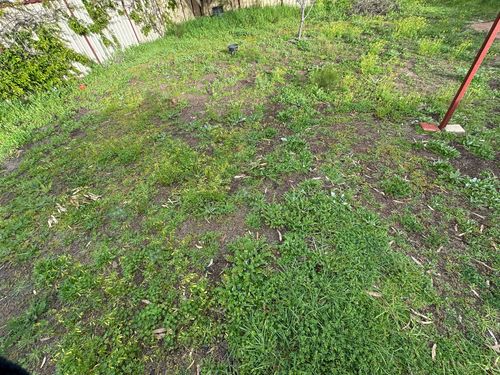
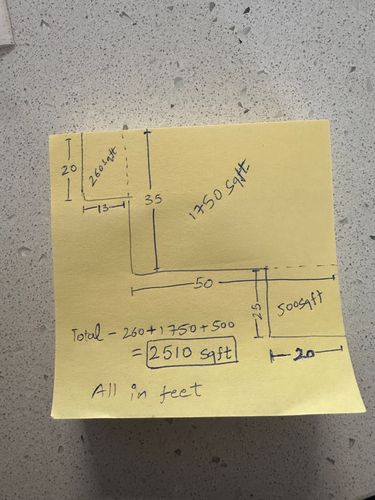
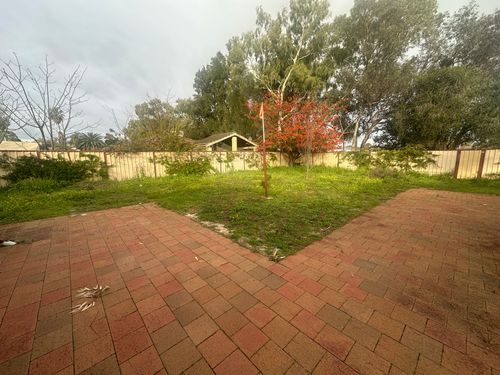
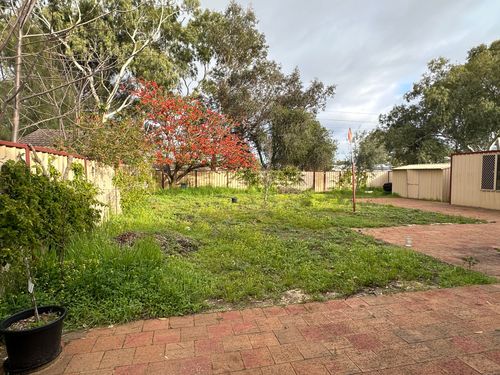
For a DIY project, how can I renovate my backyard garden so I can grow healthy grass and plenty of veggies? The soil at the moment is very sandy — whenever I water it, the water just drains straight through and dries up quickly. Should I completely remove the existing sandy soil, or can I improve it somehow? With so many options available like mulch, manure, topsoil, or garden soil, I’m a bit confused about what’s best to use. How much soil would I need to add, and what’s the right mix to retain water properly? Would laying a sheet or barrier under the soil help, and then topping it with the right soil mix before planting?
 

IMG_3581.jpeg

IMG_3582.jpeg

IMG_3584.jpeg

IMG_3583.jpeg

IMG_3598.jpeg


MitchellMc
Bunnings Team Member

Re: How to improve garden with sandy soil?

Welcome to the Bunnings Workshop community @Rys. It's fabulous to have you join us, and many thanks for your question about improving your garden.

Since your backyard has very sandy soil and is mostly weeds, the best approach is to start fresh by preparing the ground properly. Begin by applying a non-selective weedkiller to kill off all existing weeds and unwanted grass. After a couple of weeks, once the weeds have died back, use a rotary cultivator to thoroughly turn over the soil, breaking up the sand and removing any remaining roots. Once the soil is loosened, you can start improving its structure by adding an organic mix such as good-quality topsoil. For sandy soil, a general guideline is to add around 50–100 mm of topsoil across the surface, which equates to roughly 0.05–0.1 m³ per square metre, but it’s best to check with your local stores Special Orders team—they can advise on bulk delivery.


For garden bed areas, mix in plenty of compost or well-rotted manure to boost fertility and help the soil retain moisture. Mulching after planting can further reduce water loss and improve soil structure over time. Avoid using barriers or sheets under the soil for lawn areas, as they can interfere with drainage and root growth; simply improving the soil with organic matter and levelling it is usually sufficient. 


Once the soil is enriched and levelled, you’ll be ready to re-seed with grass seed suitable for your climate or lay turf, and then plant your vegetables in the amended garden beds. Over time, regular addition of compost and mulch will continue to enhance the sandy soil, making it much more capable of supporting healthy grass and productive veggie gardens.


Here are some helpful guides: How to lay turf and How to grow grass from lawn seed.

Please let me know if you have any questions.

Mitchell
 

See something interesting? Give it the thumbs up!

Why join the Bunnings Workshop community?

Workshop is a friendly place to learn, get ideas and find inspiration for your home improvement projects