The Bunnings Workshop community can help with your home improvement projects.
Hello
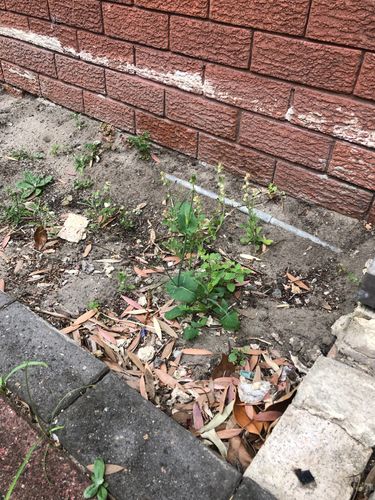
We removed a raised brick garden bed, it was butted up against the external wall. Water retained in the soil was causing damp internally.
We are hoping to lay some basic pavers to fill the space and also guard against future water penetration.
The plan is to dig a little deeper and paint a bitumen product on the lower bricks, that will then be filled in and paved over.
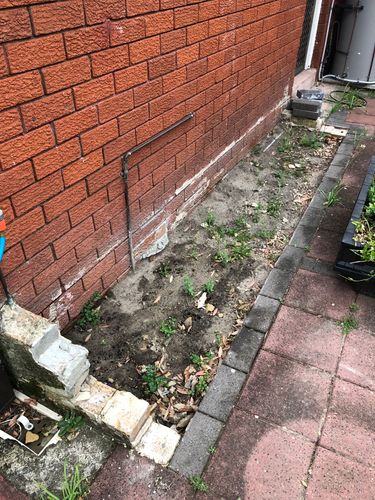
One factor is a submerged water pipe, (seen on the right) running the length of the bed. It’s almost at ground level, we don’t want to damage it! Placing a paver over this would result in a small step up.
The remaining bricks on the left are tricky to remove as the pipe runs through the cement between the bricks, again I didn’t want to cause damage when removing the bricks…. But would like to lose them.
Any advice on products and methods greatly appreciated.
Thank you!
Hi @WhichAisle,
It sounds like you have a solid plan in place. Painting the lower bricks with a bitumen-based waterproofing product is a great way to help prevent future damp issues before paving. When preparing the area, make sure to allow a slight fall away from the house so water can drain freely rather than pooling against the wall.
For the submerged pipe, it is best to avoid digging too close to it. If the pipe sits just below the surface, you can bring your base material up to just above it and lay pavers over the top, accepting a small step if needed. To make the transition neater, you could taper the surrounding pavers slightly or use a contrasting edging paver to visually separate the two levels.
Regarding the bricks on the left, since the pipe runs through the mortar, it is safest not to attempt removing them yourself. Consider engaging a licensed tradesperson, such as a plumber or experienced landscaper, to assess and carefully remove the bricks without damaging the pipe. They will have the right tools and techniques to free the bricks while keeping the pipe intact. Once that is done, you can compact the base evenly, ensure the area drains away from the wall, and then lay your pavers for a clean, level finish.
Here's a helpful guide: How to lay pavers.
Please let me know if you have any questions.
Mitchell
Workshop is a friendly place to learn, get ideas and find inspiration for your home improvement projects
We would love to help with your project.
Join the Bunnings Workshop community today to ask questions and get advice.