The Bunnings Workshop community can help with your home improvement projects.
Hi all,
I’m looking for some advice regarding a retaining wall on my property. The wall is approximately 28 metres long at 35 cm high.
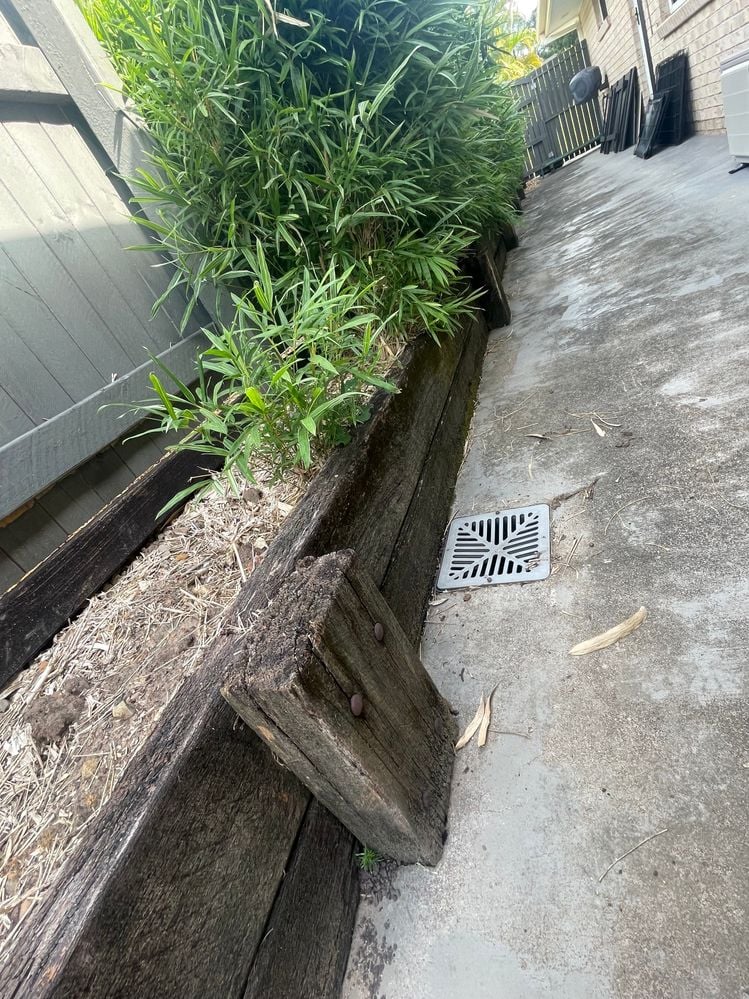
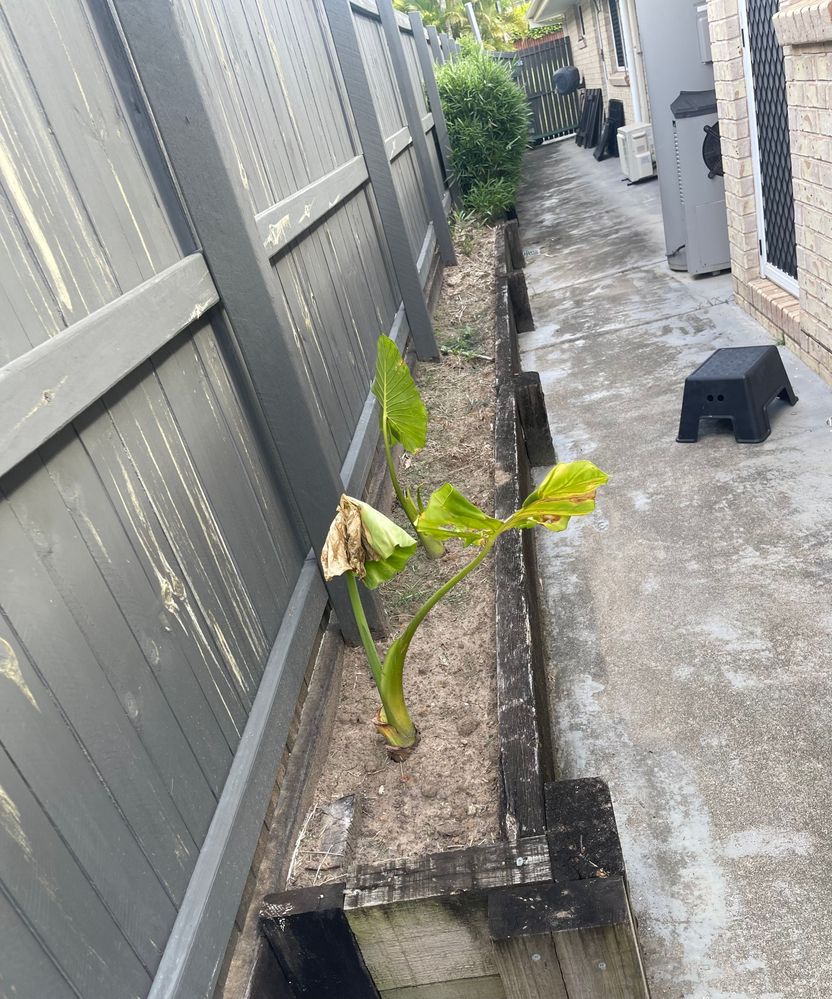
As shown in the photos, the existing retaining wall sits on a concrete base. I’m exploring options for replacing it and would appreciate recommendations on the best approaches.
My initial thought was to install a concrete sleeper wall with H-channel posts (for longevity). However, the existing concrete base may make installing new post footings difficult? and removing the old timber posts will leave voids filled with soil that would need to be patched with concrete - Is this still a viable option?
Or would a brick or block retaining wall be a viable alternative in this situation?
A gabion wall isn’t possible due to both the existing drain pipe and the proximity of the side fence.
Thanks in advance for your help.
Welcome to the Bunnings Workshop community @surfy. It's wonderful to have you join us, and many thanks for your question about replacing a retaining wall.
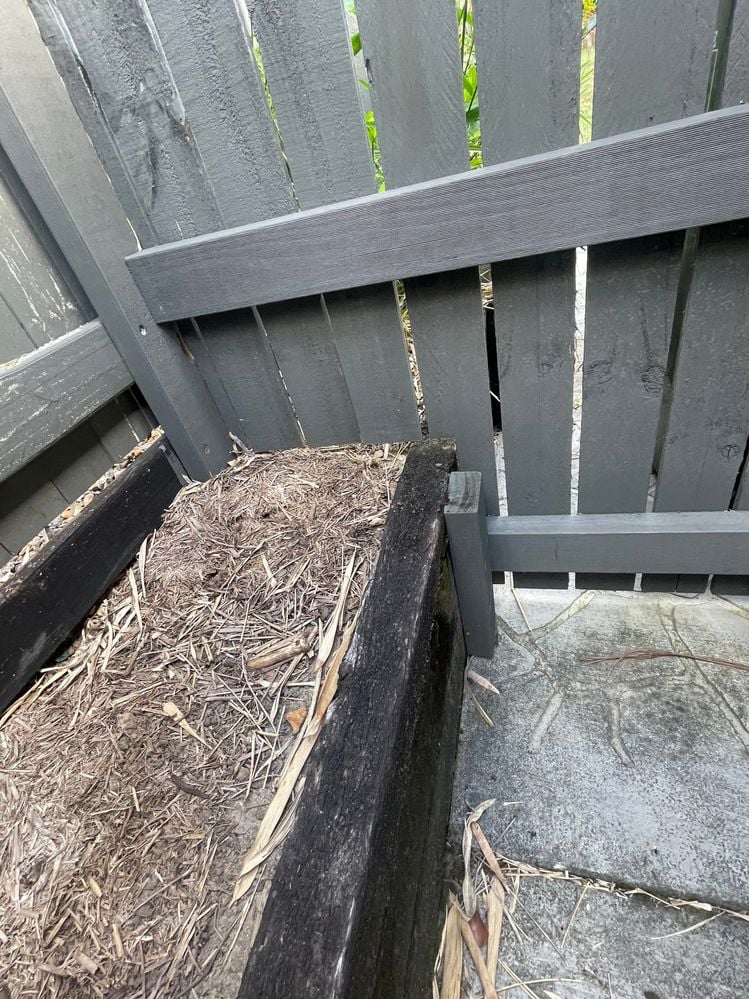
I think the first step is to work out whether this is actually a retaining wall or simply a raised garden bed that has been built in front of the real retaining wall, which appears to be directly beneath the fence line. From your photos it looks very much like there is a primary retaining wall under the fence that is holding back the soil from the neighbouring property, and that the front section, where the timber sleepers sit, is just a raised garden bed constructed afterwards.
It is also worth clarifying whether the concrete slab was poured before or after the garden bed was built. The way the concrete surrounds the posts suggests the raised area existed first, and the slab was poured around it later. It would be unusual for the slab to be there first and have neat cutouts made afterwards just to slot the posts in. If that is the case, the concrete probably stops at the front face of the garden bed and does not continue underneath it.
Whether that makes things easier is hard to say. Removing the existing timbers will still expose the soil beneath them, and you will still need to recreate post holes in roughly the same locations as the existing ones. It is work either way, although understanding where that concrete actually stops will help you plan your replacement.
In terms of your options, both approaches are viable. A concrete sleeper wall with H channels would work, and a brick or block wall could also be built along that line. A sleeper wall is likely to be the slightly easier of the two simply because it requires less masonry preparation, but you will still need suitable footings for the steel posts. One way to avoid fully removing the existing posts is to cut them off just below the concrete surface, chisel out the remaining timber, and patch those voids. From there you can install your new H-channel posts slightly in front of the slab in the soil that sits under the garden bed, provided the concrete ends where it appears to.
If the concrete does extend further under the wall than expected, the plan changes, but based on what can be seen it looks as though you should have just enough room to sink proper footings for a sleeper wall. Overall, either solution is achievable, and the choice comes down to whether you prefer the longevity and simplicity of concrete sleepers or the look and finish of brick or blockwork.
Please let me know if you have any questions.
Mitchell
Workshop is a friendly place to learn, get ideas and find inspiration for your home improvement projects
We would love to help with your project.
Join the Bunnings Workshop community today to ask questions and get advice.