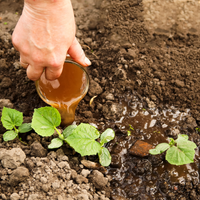
Steps
Step 1
Identify your garden pests.
Accurate identification is the most important step in pest control. Begin by observing your plants carefully, especially on the undersides of leaves, tips and stems.
Routine inspection is also important. Look for webbing, sticky residue and visible insects. Early detection makes treatment far more effective and reduces the risk of infestation spreading.
Here are the key pests to look out for:
Two-spotted mite (Spider mite) - Tiny (under 1mm) and found in various colours including red, green or pale yellow. These pests live on the underside of leaves and leave behind fine webbing. Damage appears as yellowing or bronzed foliage, speckled with tiny stippling marks.
Aphids - Soft-bodied insects in green, black, brown or white. Aphids cluster on new shoots and leaf undersides, feeding on sap and causing curling, yellowing, and distorted leaves. Their honeydew secretion also attracts ants and promotes sooty mould growth.
Greenhouse whitefly - Small white insects that resemble miniature moths. They inhabit the undersides of leaves and flutter away in a cloud when disturbed. Like aphids, they suck sap and cause leaf yellowing and reduced plant vigour, also leading to sooty mould.
Mealybugs - These pests are coated in a white, waxy, cotton-like substance and are typically found around leaf joints and stems. They sap plant energy and contribute to mould issues through their honeydew deposits.
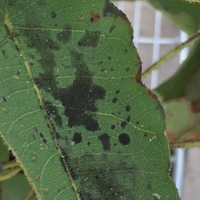
Sooty mould: This black fungus grows on the sugary honeydew secreted by aphids, whiteflies and mealybugs. While not a pest itself, sooty mould blocks sunlight and hampers photosynthesis, weakening plants over time.


Step 2
Apply Eco-Oil to control pests.
Once you've confirmed the presence of pests, it’s time to treat the affected plants. Eco-Oil is effective against a variety of soft-bodied insects and mites commonly found in home vegetable gardens. It works by suffocating insects and disrupting their reproductive cycles, so it's important to apply it thoroughly and correctly.
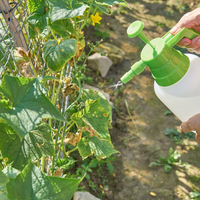
Spray all plant surfaces - tops and undersides of leaves, stems, and tender new growth. Ensure complete coverage to target pests hiding in crevices or on leaf undersides.
To avoid stressing your plants, apply Eco-Oil in the early morning or late afternoon, when sunlight is less intense. This prevents scorching and allows the oil to work more effectively without quick evaporation.
Never apply the spray during extreme heat (over 35°C) or if your plants are already stressed by lack of water or excessive heat. Always shake the bottle before use and use a fine mist setting to achieve even distribution.

Step 3
Monitor plants after pest treatment.
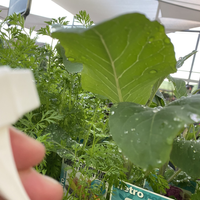
Pest control doesn't end with a single treatment. Ongoing observation is essential to ensure Eco-Oil is working effectively. After spraying, keep checking your plants daily or every few days. Watch for any lingering pests, new eggs, or signs of renewed damage.
Look closely for symptoms such as curled or deformed leaves, fresh honeydew deposits, or new sooty mould growth. Using a magnifying glass can be especially helpful - mites, eggs, and other small insects are often too tiny to see with the naked eye. Identifying any re-emerging signs early helps keep infestations from bouncing back and spreading.

Step 4
Reapply to break the pest life cycle.
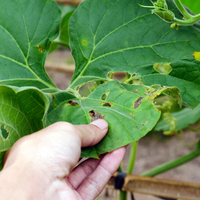
Eco-Oil is most effective when used consistently. Most infestations require more than one application to fully interrupt the pest life cycle. Reapply every 5-to-7 days while pests remain visible or active. Regular application ensures that newly hatched larvae or residual pests are also targeted before they reproduce.
Continue inspecting your plants in between treatments and adjust your spray schedule based on what you observe. In persistent cases, consistent reapplication is key to completely resolving the issue. Also be sure to check adjacent plants, as pests can migrate and establish new colonies nearby if not caught early.
Step 5
Help plants recover.
Once pest activity has subsided, it’s time to focus on helping your plants recover and preventing future outbreaks. A healthy plant is naturally more resilient and better equipped to resist pest pressure.
Start by applying an organic liquid fertiliser or a seaweed tonic to replenish nutrients and encourage new growth.
Improve airflow by pruning away overcrowded or excess growth, which not only reduces conditions favourable to pests but also makes it easier to spot any early warning signs. Maintain consistent watering practices (keeping soil evenly moist without overwatering) and feed plants regularly to promote strong growth.
Make weekly garden inspections a habit. Regular checks help you catch problems while they’re still small and manageable, giving your garden the best chance to thrive through every season.