Steps
Step 1
Prioritise safety.
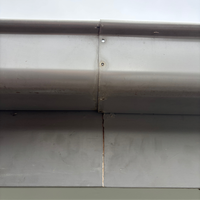
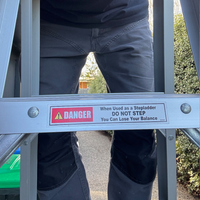
Before starting your inspection, prioritise your safety. Use a sturdy ladder placed on firm, level ground. Always take extra care when getting on and off the roof, even on flat surfaces. Ladder accessories such as stabilisers that secure your ladder to the gutter can provide additional safety. Follow the advice in the guide How to use ladders safely.
Always wear gloves when handling roof tiles or metal components to protect your hands from sharp edges.
If you are uncomfortable using a ladder, or if your roof is steep or multi-storey, it's best to hire a professional.
Step 2
Inspect your tiled roof.
If you have a tiled roof, begin by checking for moss and algae, especially in cooler climates. Moss may look harmless, but it holds moisture against tiles, which can lead to deterioration, cracking and lifting. This moisture can also promote rot in the underlying roof structure. Regular cleaning, as shown in How to clean roof tiles, can help prevent long-term damage.
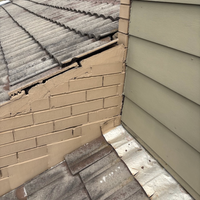
Look for damaged or misaligned tiles. Cracked, chipped or uneven tiles might indicate prior repairs that weren’t done correctly. While minor chips can be patched with masonry silicone, broken tiles need to be replaced. Be sure to match the replacement tile profile exactly for a secure fit, as demonstrated in How to remove roof tiles.
Check the ridge and hip cap tiles - the peaked tiles that run along the joins at the top of your roof. They should be firmly set in mortar and should not move when touched. Cracked or missing mortar or shifting tiles are common entry points for water and often get mistaken as merely cosmetic issues.


Step 3
Inspect your corrugated metal roof.
For corrugated roofs, start by inspecting the sheets for rust, especially along the edges and ends. Look closely for flaking metal or signs of water tracking underneath the joints which can signal hidden leaks.
Assess the sheet positioning. Warped, lifted or misaligned sheets compromise the roof's waterproofing. All overlaps and joins should remain tight and in alignment.
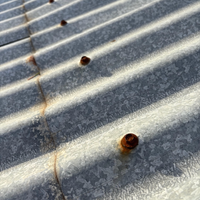
Check the condition of the roofing screws. Missing or raised screws are obvious concerns. Rusted screw heads can also be a problem. Rust usually means the rubber washer underneath has deteriorated, which can affect the waterproof seal around the screw hole.


Step 4
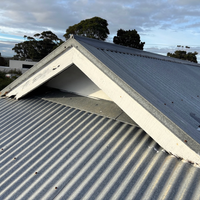
Inspect roof flashings, valleys and fascia boards.
Flashings are essential waterproofing components found around chimneys, skylights, vent pipes and along roof edges. Whether made from flexible or rigid materials, they should be firmly in place and free from rust, cracks or gaps. Any signs of deterioration could allow water to penetrate the internal roof space.
Inspect the roof valleys - the V-shaped channels where two roof sections meet and direct water to the gutters. These areas often collect leaves and debris, especially at the corners where they meet the guttering. Blockages can lead to water pooling, internal leaks or even structural damage over time.
Examine the timber fascia boards - the long horizontal boards that cap the edge of your roof. In older homes, these were typically made from untreated timber and are prone to rot. Look for signs like mould, discolouration, bubbling paint or sagging gutters. Press the surface gently with an object like a pencil to detect any softness that may indicate rot.


Step 5
Inspect gutters and downpipes.
Start with a visual inspection from the ground. Look for water stains, mould or other signs of leaks at gutter joins. Check that all rivets are intact and that any silicone is still holding.
Blocked gutters are a common issue, especially around downpipe connections. Leaves and debris can restrict water flow and cause overflow during heavy rain. Even if you have gutter guards installed, don’t assume they’re keeping the system clean. While they may block leaves, dirt and mud can still build up underneath. If you notice plants growing through the guard mesh, that’s a sign of underlying debris. Metal guards can be unscrewed or un-riveted for cleaning, then reattached using galvanised screws. Follow the advice in the guide How to clean gutters.
Check gutters aren’t holding water. While a small amount is normal, pooling water suggests improper fall, loose or disconnected brackets or sagging from rot in the fascia board. This reduces the system’s ability to handle rainfall effectively.
Downpipes should be securely connected at both ends - at the gutter and the stormwater outlet. In older systems, misalignment or gaps between the pipe and ground connection can result in water running off onto the foundation.
Inspect all wall brackets, pipe clips and straps along the downpipes. Ensure they’re in place and secure, with none missing or broken.