The Bunnings Workshop community can help with your home improvement projects.
Hi everyone,
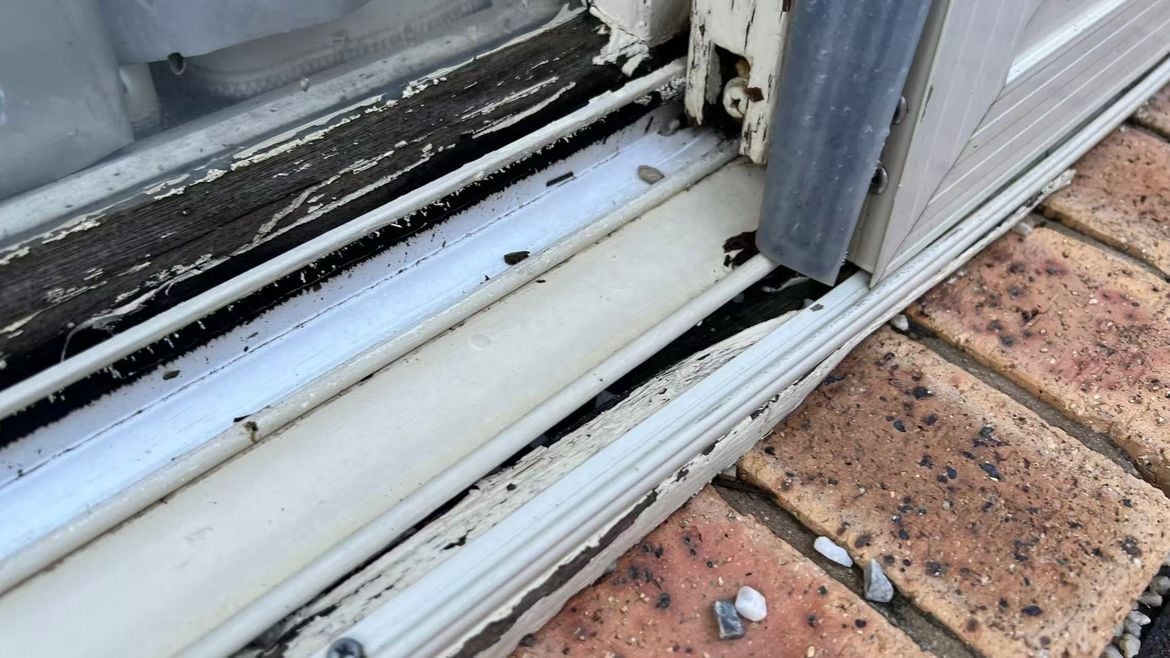
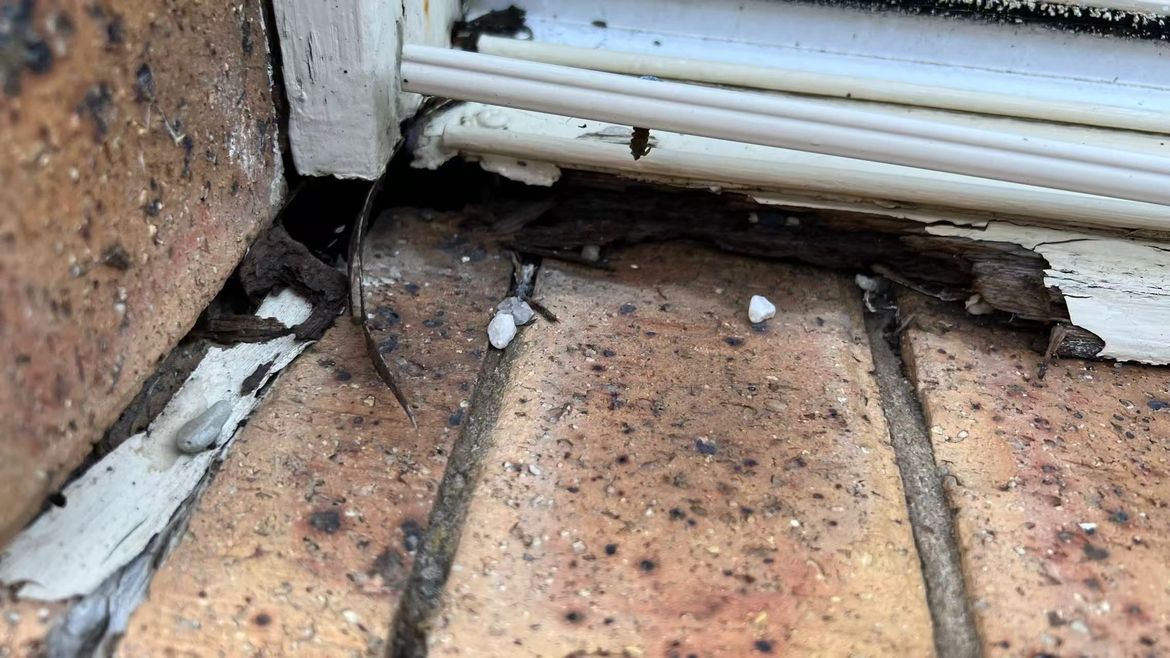
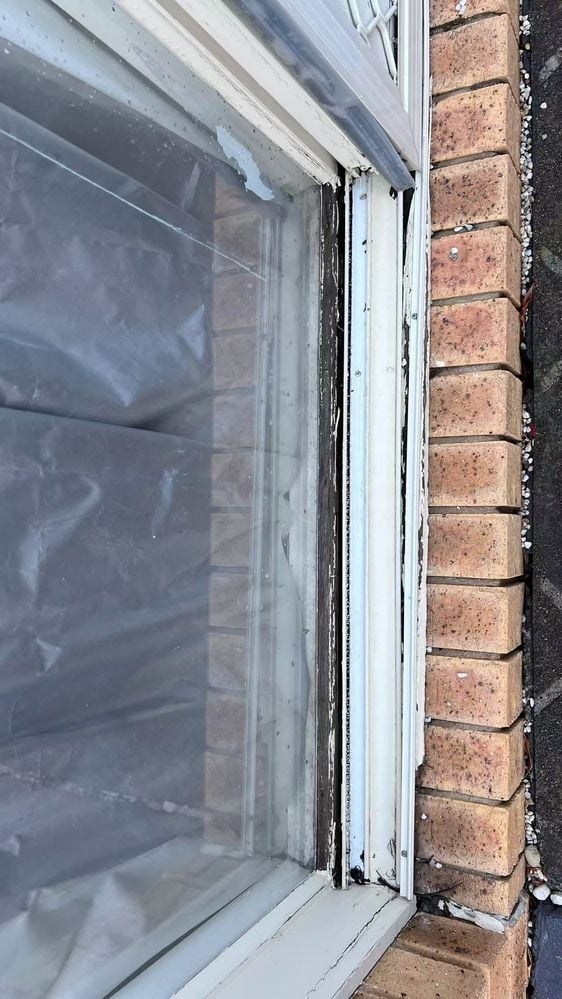
I've just noticed that part of the wooden sliding door in my bedroom has become rotten, and the rail has shifted slightly as a result of the damage.
I’ve looked into some solutions online, and it seems that the proper way to fix it would involve cutting out the damaged section and replacing it with a new piece of wood.
However, since we’re planning to extend this part of the house and the door will eventually be removed, I’m wondering if I can simply clean it up and use hardner and wood filler as a temporary fix? Thanks a lot
Good morning @HAO
Having timber rot is a pain in the neck and figuring out how far it goes would be a good first step.
I use a flat blade screwdrive and gently push tthe blade into the timber, if it goes in then its rotted.
The pictures you have supplied tends to make me want to lift the sliding door out and take a closer look at the state the threshold is in as it looks well along the path to collapsing 😕
If you are not confident in replacing parts or the whole I would suggest a carpenter or builder/glazier to insepct and suggest a path.
That first photo from outside to inside, the bit that cobcerns me is the timber at the base of the inside window? That looks like it may have perished. It also means that water is sitting, pooling and not running away. Once timber starts rotting it will allow water to stay in amongst the timber fibres and is harder to dry out. Timber hardener can work in situations but I wouldnt bve confident in this overall path.
Maybe get a couple of quotes and also factor in yourself doing if you are confident of your skillset? For me id get a carpenter and ask if I can give a hand, and chalk it up to knowing what to do next time. (Ive done that a few times
)
Dave
As @Dave-1 suggested lift out the door and eyeball what's there.
I think you need to get some timber in there or maybe even wedges to support the track.
About all you can do for the window is a patch-up job, as you said wood filler or maybe expanding foam.
You can mix up your own filler with sawdust and PVA glue.
Cheers
Thanks a lot Jason
Hallo Dave,
Thanks so much for the detailed advice — really appreciate it. I'll grab a flathead screwdriver and test it out once I get home.
I don't think I'm confident enough to lift the whole door and put it back properly, so it’s probably best that I get a few quotes from professionals and see what they suggest.
Hi Alan, thanks for the advices, really appriciated. What size of the timber or wedges would fit? is there any options from bunnings I can grab?
Hello @KHGHGK
If you are after multiple sized wedges, I suggest using the Delf Assorted Builders Wedges. They come in multiple sizes and can be glued and screwed for permanent installation. Plus, they are made of plastic so will not rot or deteriorate even when exposed to the weather.
If you need further assistance, please let us know.
Eric
RE:What size of the timber or wedges would fit?
You need to work that out.
Assuming you are not a DIY person I suggest you buy this:
Titan 1.5 x 75mm 200 Piece Blue Window Packers (0647619)
Rather than fool around with timber.
Ask here for the best construction adhesive to glue the packers.
Pack both ends of the track so the door is square.
Oriente the packers lengthwise.
If needed use a garden spade or similar to lift the door.
Pack the middle and check how the door slides.
Remove/add packers to get it right.
Remove the centre packers and glue them in - adhesive both sides.
Do the same for the ends.
Check how the door slides.
Add more packers left and right of centre.
Use the rest of the adhesive to spot-fill between brick and track.
Good luck
Hi @HAO
Looking at those few photos, that rotted timber has been well established for considerable time. It extends well into the entire door frame and into the sliding door itself.
Whats the timing on the extension as I wouldn't be vesting too much time and money into trying to salvage the door at least operational. I would be more inclined to ensure that it's structurally safe and making it more weatherproof to protect the internal walls from water ingress. If you're taking months or less I would remove it, frame it up and seal it. This type of moisture can start to cause internal mould which is a more serious health risk. Apologies for sounding dramatic, but it is something I see commonly.
Nailbag
Workshop is a friendly place to learn, get ideas and find inspiration for your home improvement projects
We would love to help with your project.
Join the Bunnings Workshop community today to ask questions and get advice.