The Bunnings Workshop community can help with your home improvement projects.
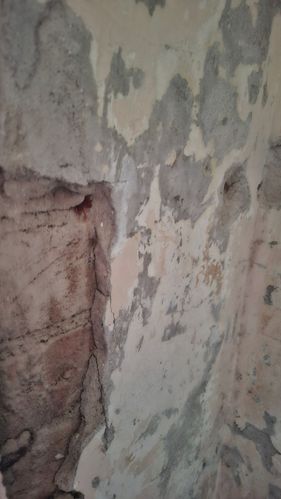
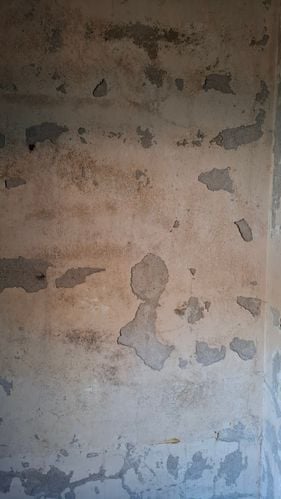
internal brick wall of 140yr old double brick house has a 2-3cm cement type covering/render (rough texture) which then has a thin white covering for a smooth texture, then paint, them several.lauers of wallpaper. What would the cement like cover be - my guess its original to the house.
After removing wallpaper this surface is crumbling in some areas.
How do I seal or bind it and then create a smoothe surface for painting.
As it's only on one side I am quite willing to put up a feature lining instead of painting.
Damage may have several causes - massive floods that entered house and roof was damaged for years- now repaired. Also faces south, so should external brick wall be sealed with something.
Hello @Luci
Welcome to the Bunnings Workshop community. It's sensational to have you join us, and thanks for sharing your question about your internal brick wall.
For a 140-year-old house with 30mm-thick rendered walls, it’s wise to approach the restoration carefully. While modern renders might seem convenient, the age and construction methods of heritage buildings typically call for more specialised treatment. Older homes, especially those built before the widespread use of cement, often used lime-based renders. These materials allowed the walls to breathe, flex slightly, and manage moisture more effectively. Using modern cement-based render on such walls can trap moisture, leading to cracking, blistering, or even long-term structural damage to the substrate beneath.
In your case, while it's technically possible to apply a modern render, it’s not always advisable unless it has been formulated to be compatible with heritage materials. My suggested course of action is to consult with a plasterer or renderer who has experience with heritage buildings. They can assess whether the original render is lime-based and determine the correct method and materials for patching or re-rendering. Some modern products are designed to mimic the performance of traditional lime renders, but their suitability needs to be carefully matched to your specific wall structure and condition.
Engaging a specialist may cost a little more upfront, but it helps protect the integrity of your home’s original materials and prevents issues that can arise from incompatibility. It also ensures the finish remains visually appropriate and sympathetic to the house's historical character. If you’re unsure, you might consider having a small section assessed or tested first before committing to a larger job.
Let me call on our experienced members @Dave-1, @Nailbag and @Noyade for their recommendations.
If you need further assistance, please let us know.
Eric
Good Morning @Luci
I would also like to offer a warm welcome
to the Bunnings Community. 140 yo house
Now that would be a fun reno to take on, lots of things to consider and probarlly relearn on how things were done way back when.
I would be tempted to go with the false wall you suggested with enough of an air gap to make sure that the wall stays dry. It may be an easier route to take then redoing/modifying what has stood the test of time. If you do go the route, Maybe factor in viewable access points so you can view the surface if it needs to be checked?
What does the external brick wall look like? Any chance of a photo?
Dave
Workshop is a friendly place to learn, get ideas and find inspiration for your home improvement projects
We would love to help with your project.
Join the Bunnings Workshop community today to ask questions and get advice.