Steps
Step 1
Removing the junk that I have collected in the foyer showed how much stuff we pick up but never use... Need to cull for sure! The holes and Cracks in the existing walls needed to be fixed and I had delayed doing them for ages. Time to start the whole lot moving.
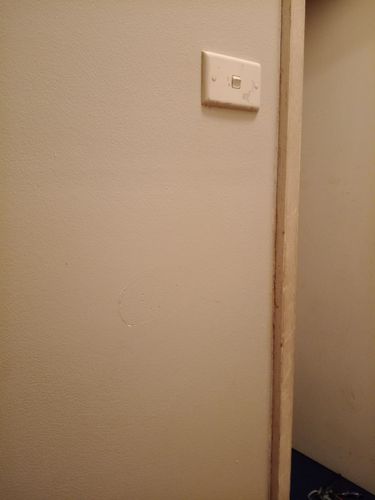
If you look closely you can see an imprint..
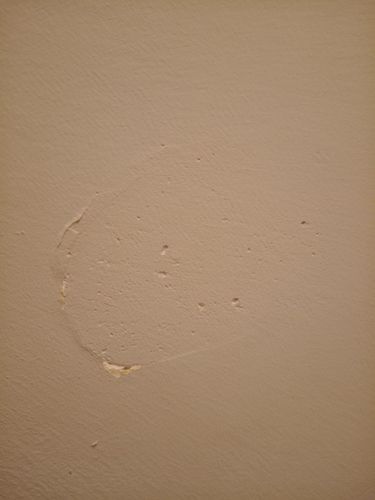
This was behind a painting and I didnt know it had been done until I took down the paintings.
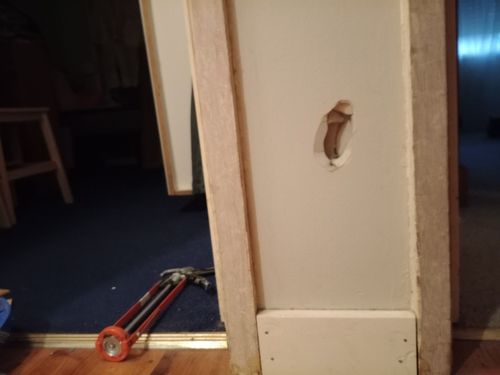
Another hole, another fix needed. yes that is blue carpet in the spare room and that room has bright green walls 😲 lol
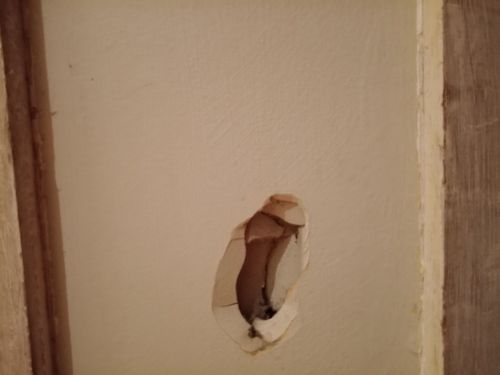
This sits between two door frames so I wasnt looking forward to repairing it.
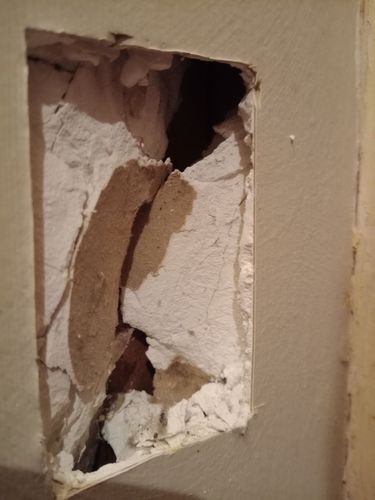
Cutting out the hole, I uncovered how much blow out in the plaster that was behind the immediate hole. Time to expand the cut out.
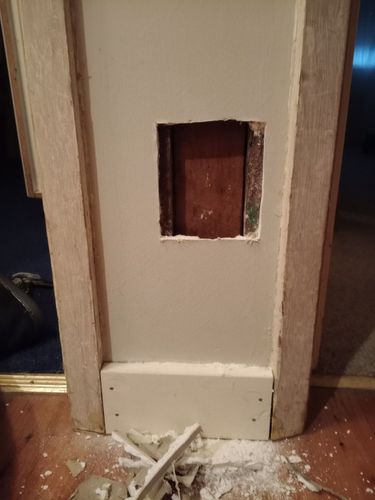
Cutout done, the skirting board is one I started years ago but then never got to do the hallway. So thats also getting done this reno 🙂
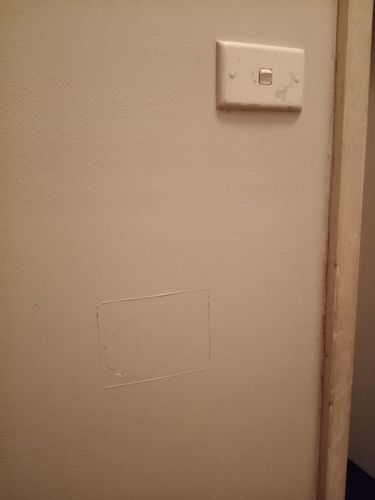
Trying to keep the hole small... Yeah, nah. Same issue as the other hole, the blow out from the plaster being pushed/hit causes a larger hole on the other side.
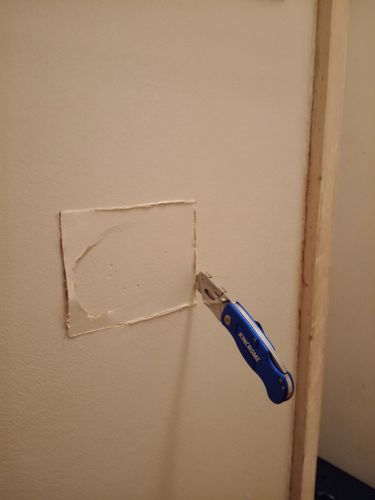
Stanely knofe I used to cut out the square.
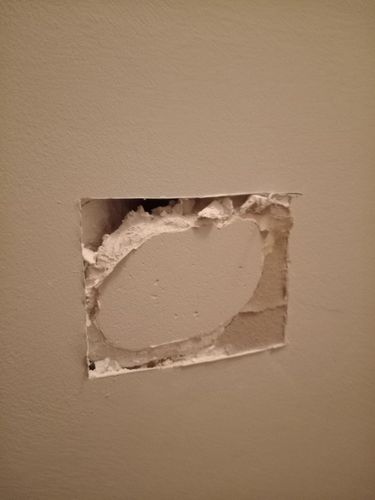
You can see the blowout, Need to cut a larger hole again.
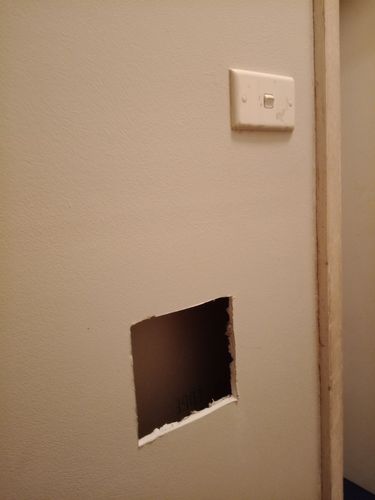
Happy, all the cracked plaster removed.
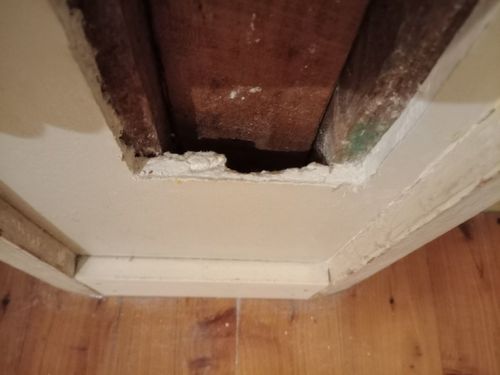
Still a little blowout but I can work with that.
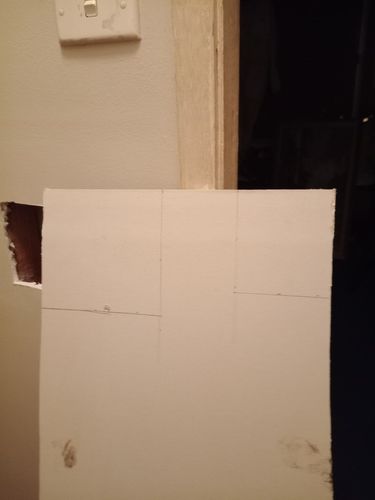
Handy having some offcuts of plaster under the house 🙂 Time to cut out patches.
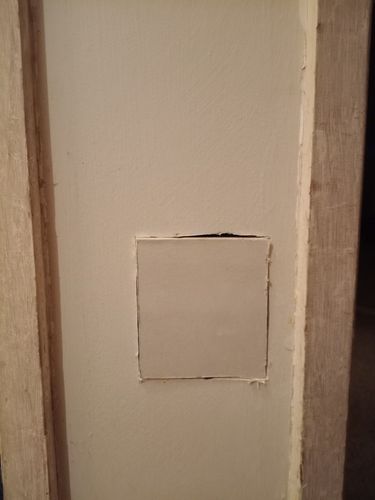
First mistake, I really should have done the patch properly, by that I mean some supports behind it to keep the patch in line with the plaster, I relied on the existing timber supports to give it the same profile, I was out by about a mm in depth....
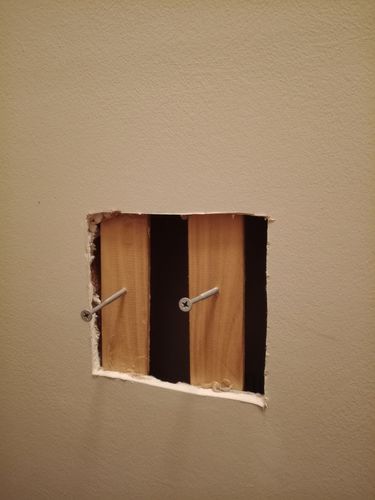
This is how I should have done the other hole. I had enough material, I was just lazy. You use liquid nails on the short pieces of timber to glue to the back of the plaster, the screws are there to pull forward if the hole is too small to get your hand around. They made it easy to install the pieces of timber as there was less chance of me bumping the already installed one.
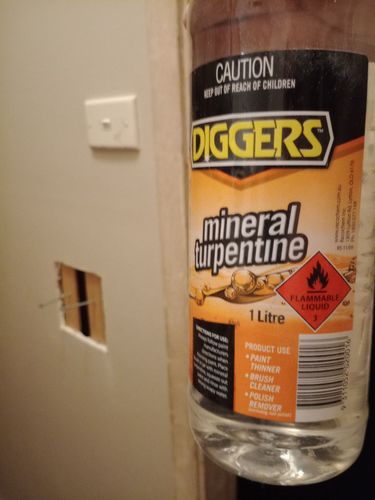
Note! You will need this with liquid nails as the nozzel keeps oozing even when you unclip the tube. Some ended up on the floor. Work smarter not faster should be the rule 🙂
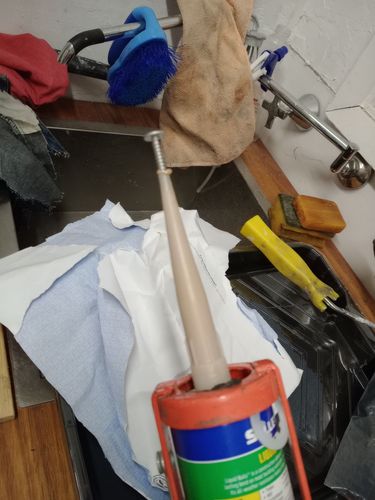
To store the liquid nails a short time (a few days as it will still go off), remove the tube from pressure and then screw in a self tapper screw you have spare.
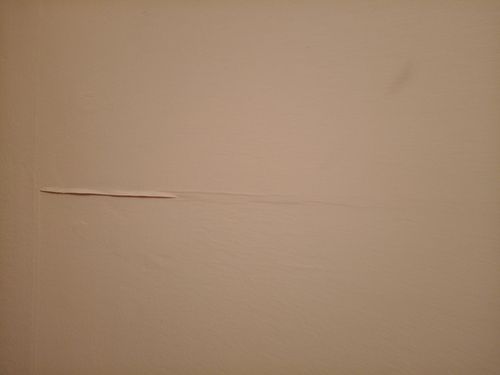
Long horizontal and vertical cracks in what I presume are patch panels from the previous owners. I cut V segmants from them to refill with fresh plaster, looking back I should probarlly have also used the fiberglass tape first then plaster but we shall see.
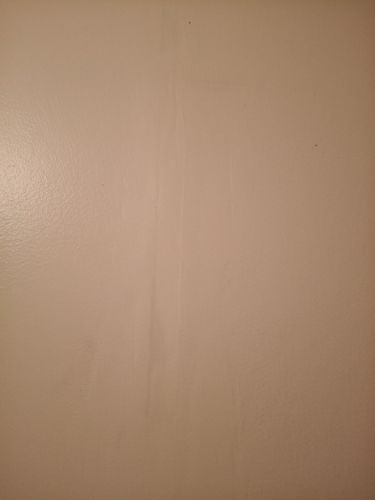
Previous owners changeing walls around I suspect.
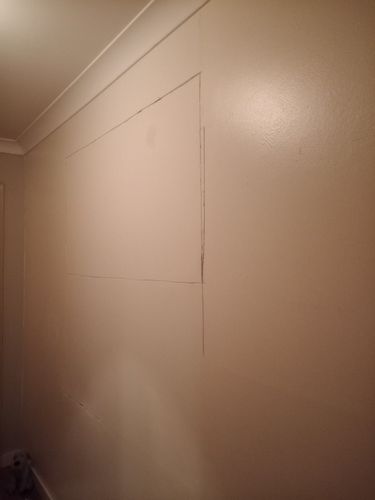
Cracks scoured
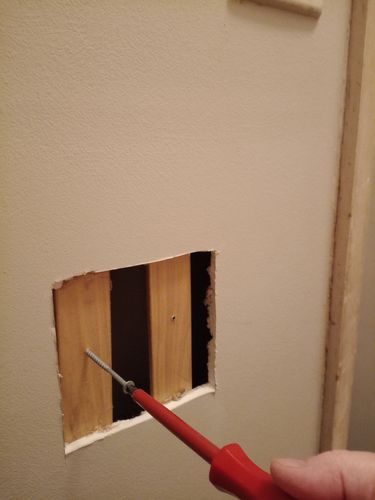
Glue has dried overnight, time to glue the patch on
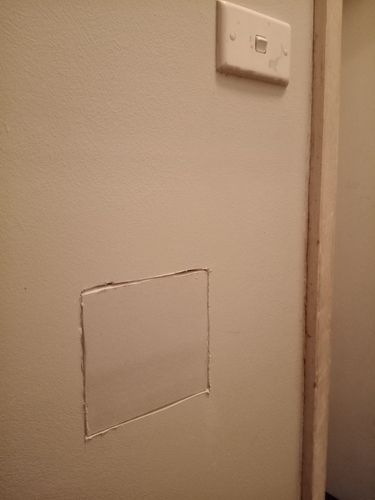
Patch glued on with liquid nails. I probarlly should have a little more of a gap around the edge for the plaster to fill but as before "We shall see"
Step 2
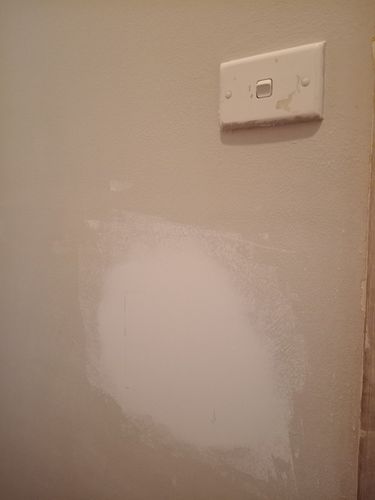
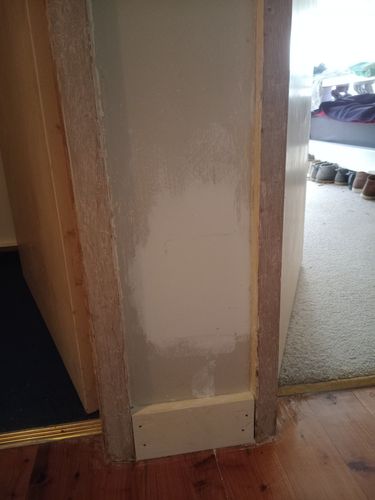
Time to fill in the holes and sand the plaster, not one of my favourite jobs. Out of the two holes I repaired the one I did correctly is the one I am happiest with. Shows not to take corners. The other is ok, I can see it but most would glaze past it..
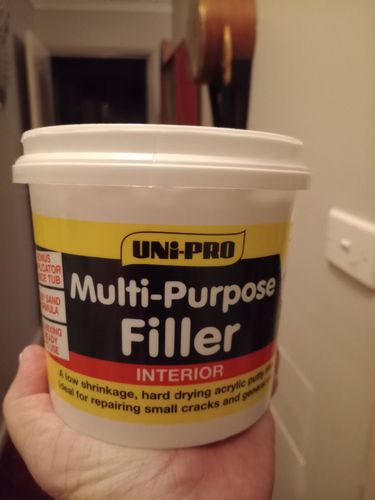
The plaster I used to fill the cracks and edges.
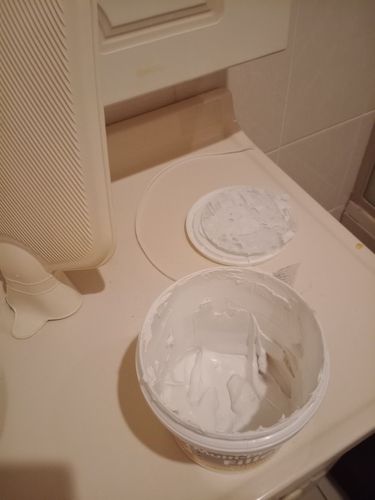
All that was left.
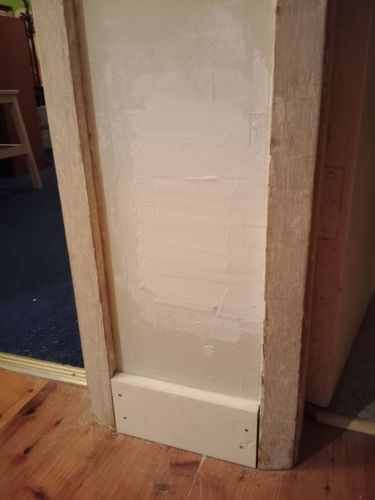
This is the one I wasnt 100% happy with, because the patch was 1mm lower in height it did show up and I had more work to do to fix it.
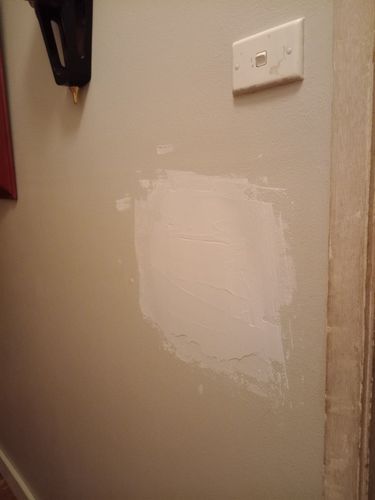
This is the nice one, its almost at eyeline so I did want it to be a lot nicer.
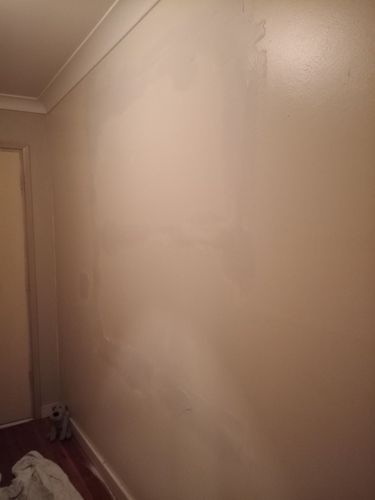
I dislike fixing patch panels, in reallity I should have pulled off the three patches and replaced with two sheets. The wall had so many bumps and dips it wasnt funny.
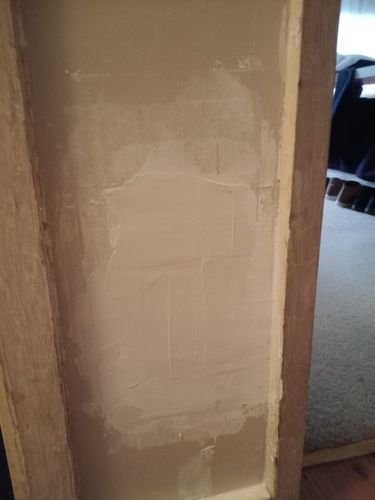
Second coat of plaster, I didnt really sand the first coat.
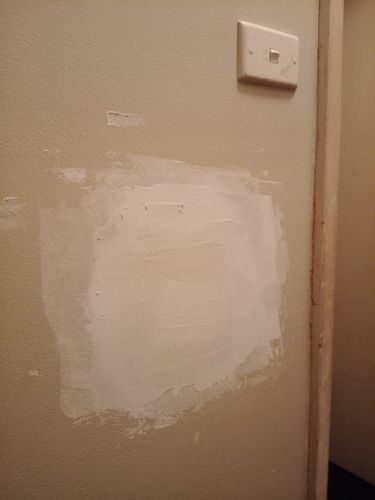
Second coat of plaster
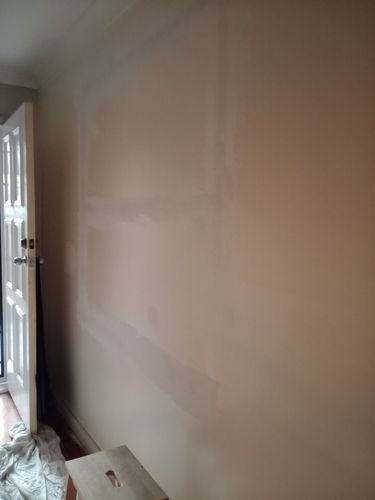
Second coat of plaster
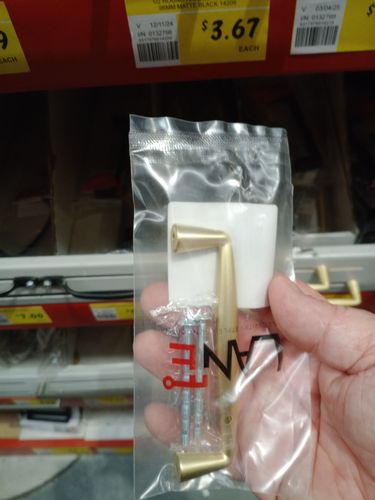
One thing I love doing is trolling through the Bunnings aisels to see what is available. This is what I decided on for the new door handles for the cupboards.

Always take pics of the items you want 🙂 That way down the track you "know" what you have used.
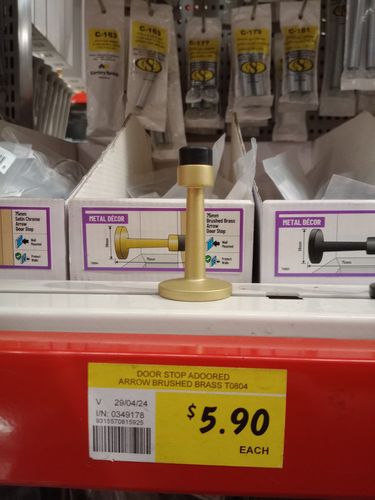
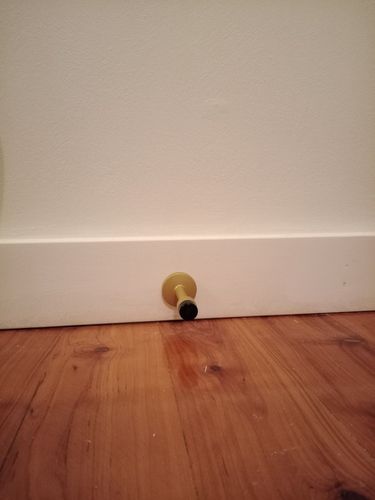
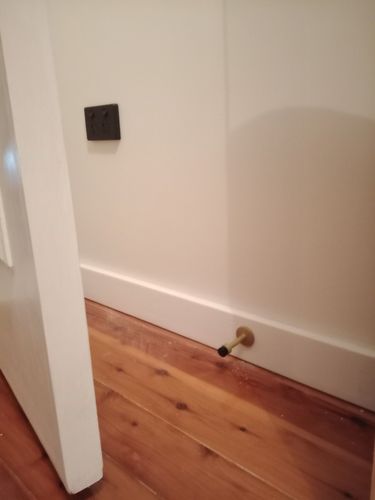
Doorstops, I had removed the old ones ages ago (White plastic and rubber) and wanted something to match the new foyer.
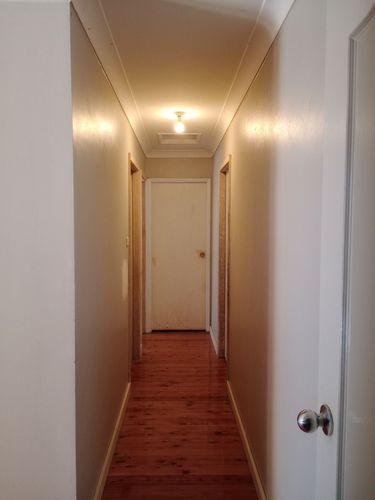
The hallway before. The doors are not part of this reno. The paint is so bad it is flaking off. Still trying to decide on how to procede on that.
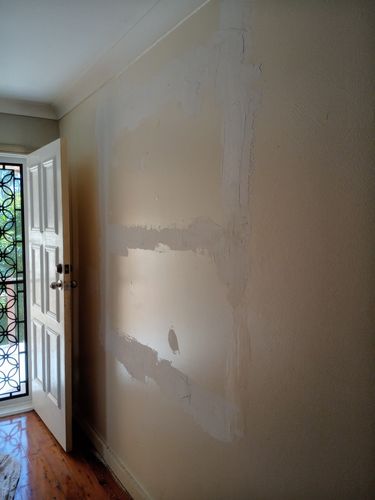
Yeah, Note to self, sand and check during daylight hours. I sanded and checked at night and it looked fine..... Not quiet 😕
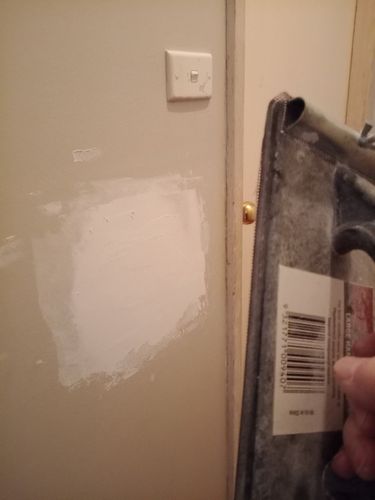
The plaster sander, seriously LOVE this tool. It does such a nice job and dosnt clag up.
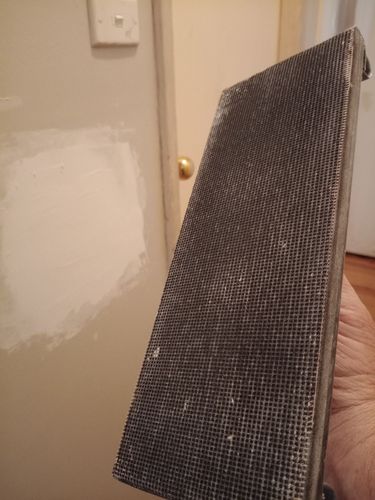
Lightbulb moment... The netted sand paper had run its life and I was about to put a new one in... Then realised "hey I can turn it over" and bingo! brand new piece 🙂 Sometimes the mind is slow....
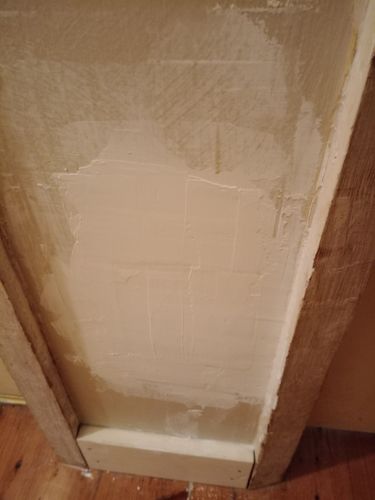
Before
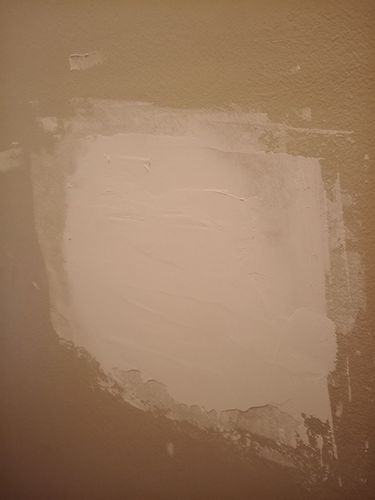
Before
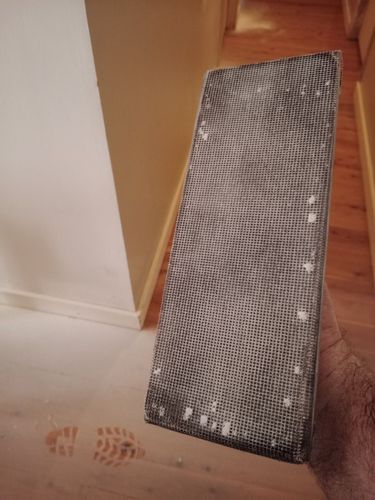
So much plaster, sweep it up not vacuum. I killed my last vacuum that way. The dust is too fine and clags the motor.
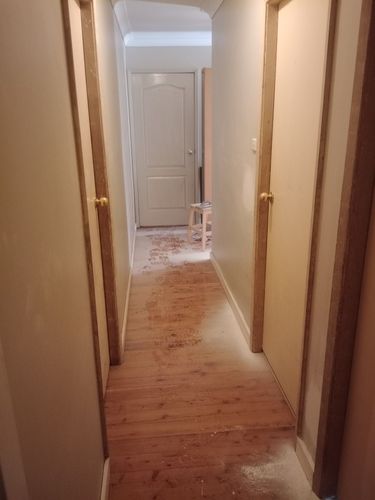
So much sanding.
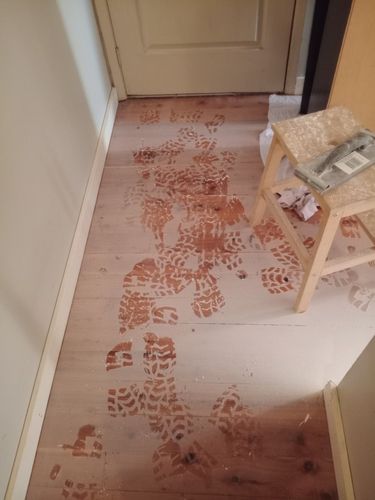
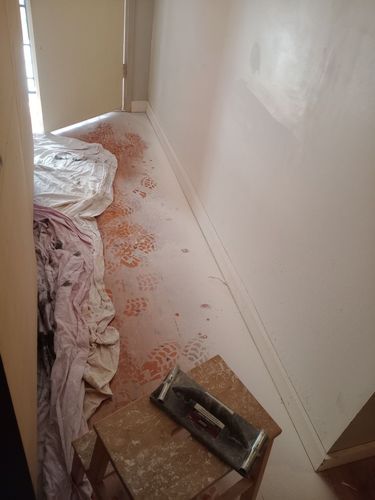
Getting there.
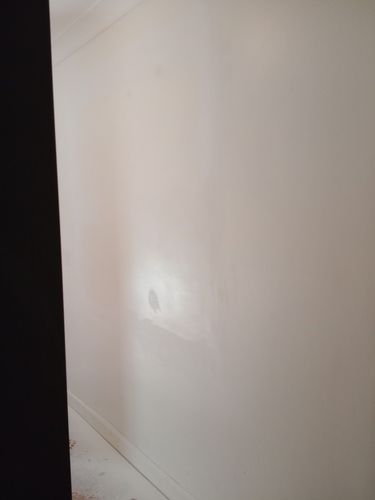
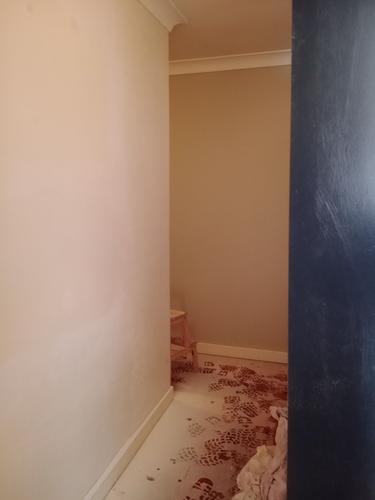
Sanding at night, yeah its warmer but the non natural light fools the eyes in imperfections.
 \
\
Door handle had "bumped" the wall too many times.
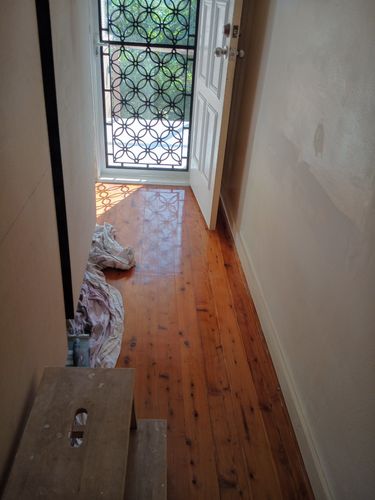
All done
All Done
All Done
Step 3
The door trim had had the paint removed around a decade ago and then I didnt end up going forward so back to it now. I was going to replace the door trim but have since decided against it. Why throw away stuff thats perfectly ok is my thinking.
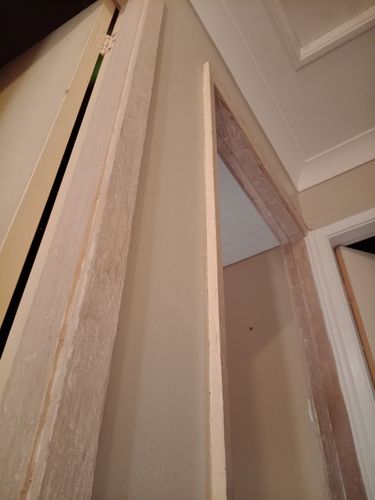
Have to sand all these smooth.
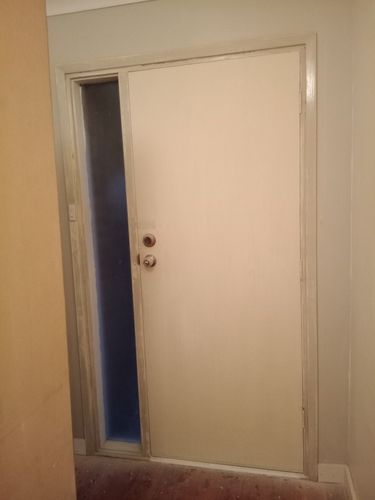
The back of the door and door frame, I was worried about the paint flaking away as it wasnt bonded properly. The door turned out to be fine (Cheering) the edges around the door, all that grey you can see, not so. So it had to go as well.
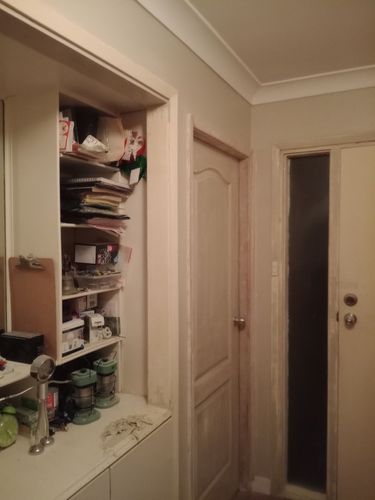
The door into the loungeroom, wasnt going to paint them but it looked shocking so it was on the list as well.
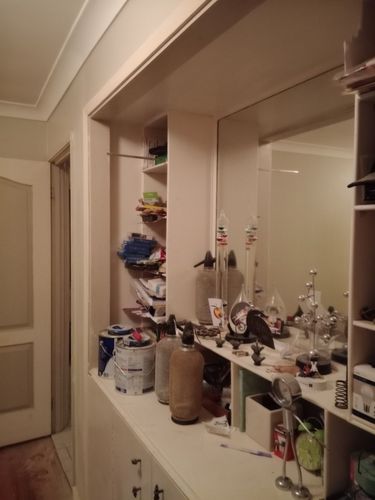
All the trim had the same issue, the paint would scratch off with a light fingernail. 😕
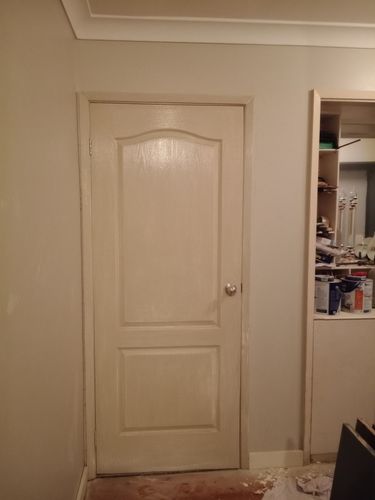
Really didnt want to sand all these doors but did.
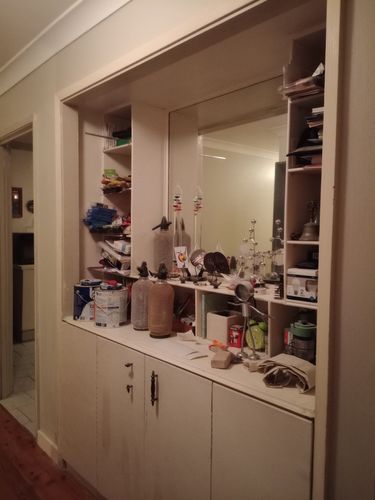
The question becomes, where do I put all this stuff while I renovate it?...
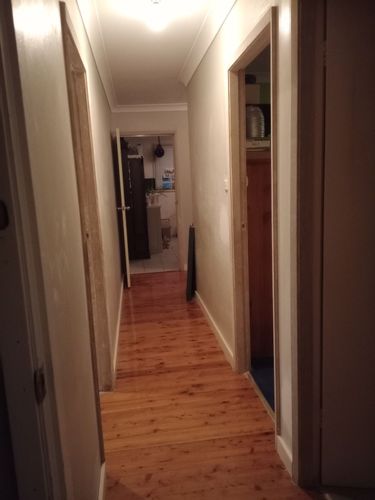
Hallway before painting
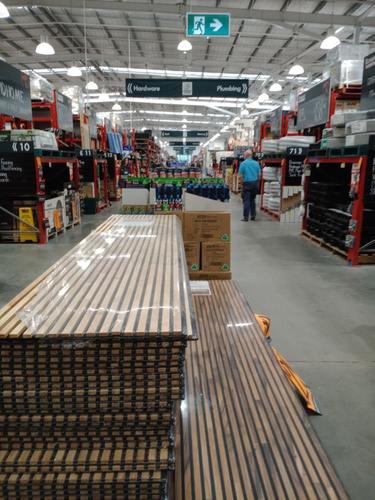
Am actually considering panneling the front of the hallway doors (they are flat with bad flaky paint) with this, Will see if I actually do. I also wa sgoingto have part of the wall with this, I ran out of viewable space in the end withthe bookcases and figured it would be too much as in looking too full.
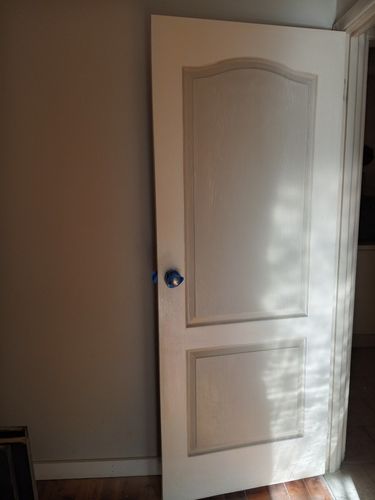
Entry to the kitchen/dining room. I had to sand all this. The paint was solid but glossy.
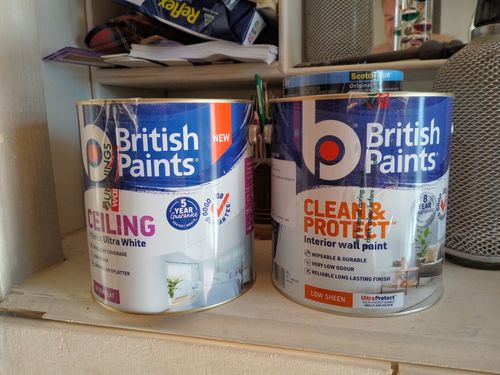
Always take photos of the items you buy 🙂
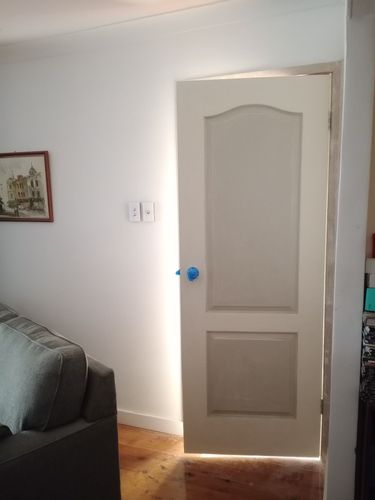
When sanding the other side for the foyer I realised that the rear needed doing as well... Ugh.
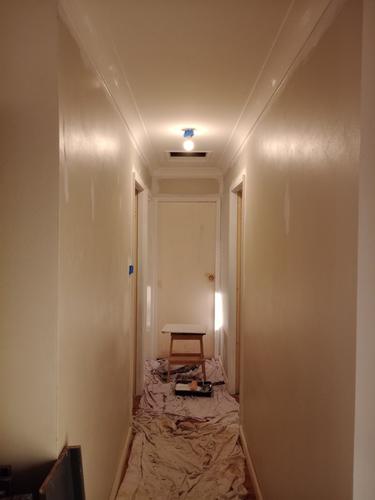
Time to paint, all the small holes have been filled or patched, prep work done. Goodbye disgusting old yellowy cream colour!
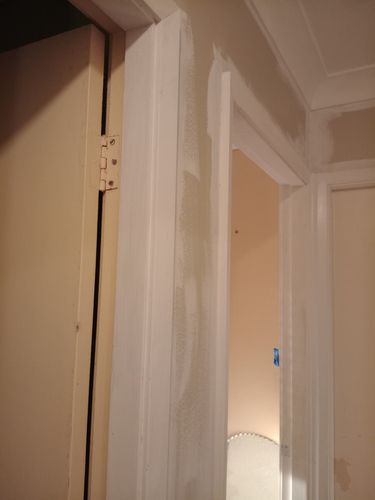
Ceiling painted, the trim I also painted the same white as the ceiling colour. The difference between old and new is amazing.
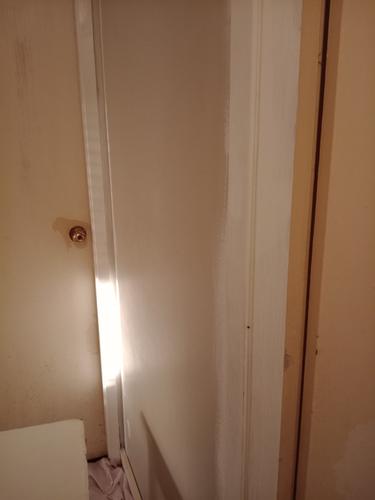
Between the spare room and bathroom.
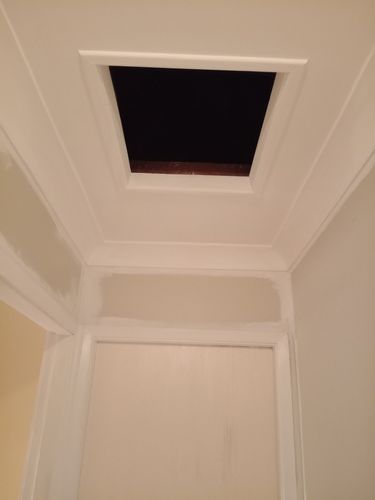
Yep even the manhole cover was painted.
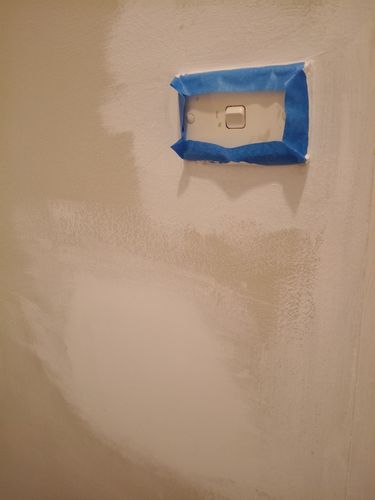
Any scuffed surface or plastered part I went over with ceiling paint first. Just a rough run so the following wall coats would blend easier.
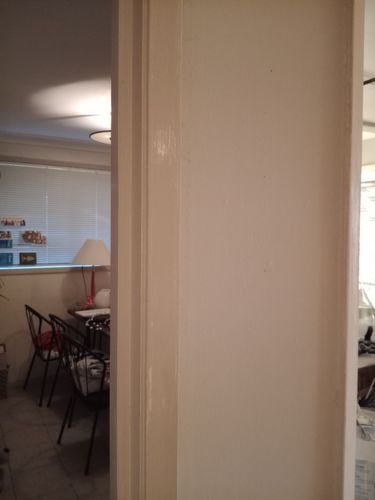
The pillar between the dining room and mirror.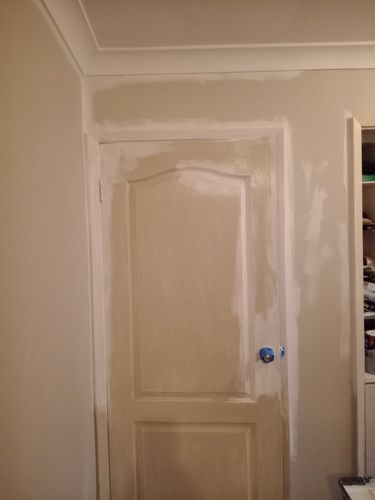
So much trim to do, the door was also painted in ceiling white (mostly because I had 4L of it)
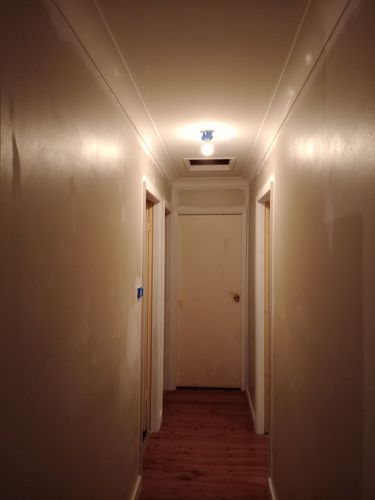
Next step will be to tape the skirt so I can paint it, then the wall itself after it dries.
Step 4
Painting and more painting, I kept the paint roller wrapped in a plastic bag overnight so it wouldnt dry out, it actually worked very well.
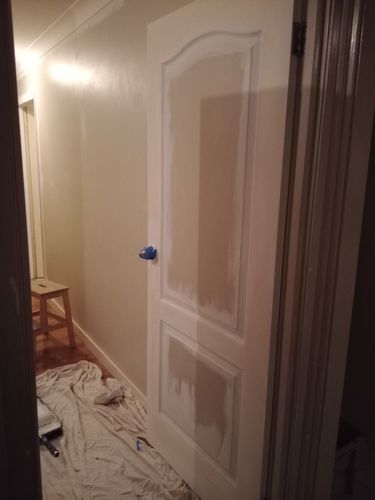
I could feel my mood change as the cream and grey paint dissapeared.
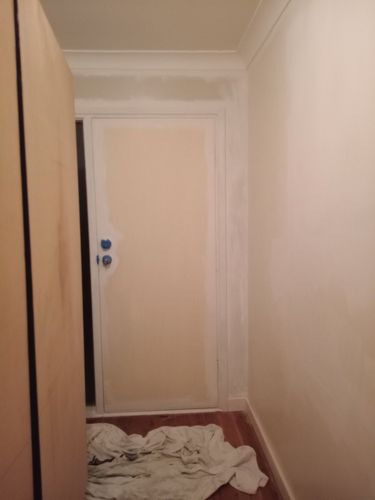
First coat going down and the difference was amazing.
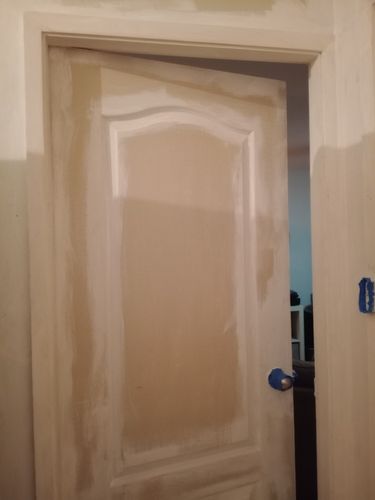
I did all the hard parts first, then the easier parts so the paint looked smooth overall.
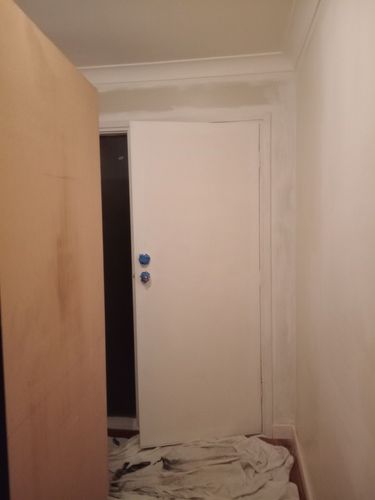
Painting at night... The days are short so I ended up painting into the evening even tho I know its not so wise...
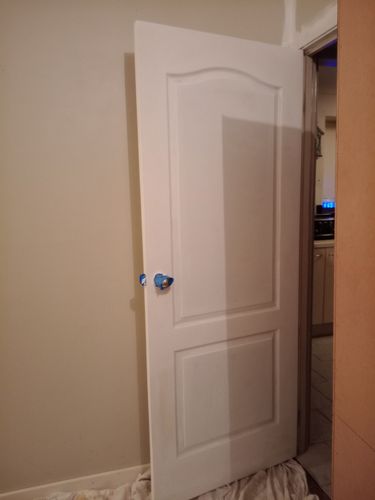
Door face done!
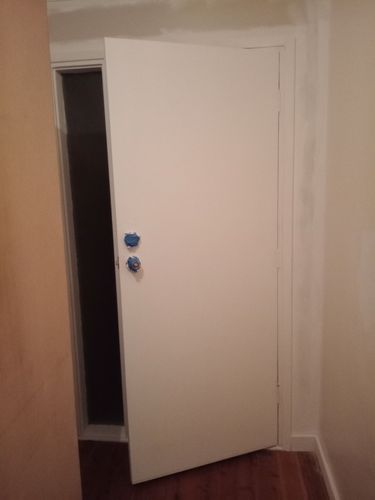
Rear of front door done!
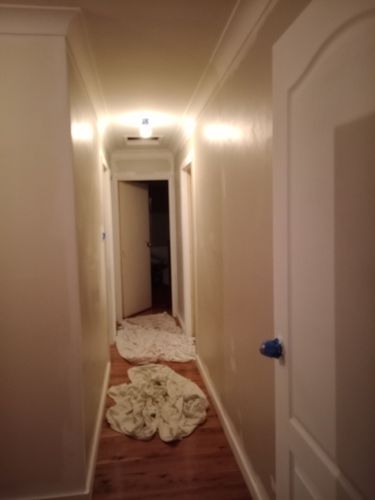
Flowing through the hall
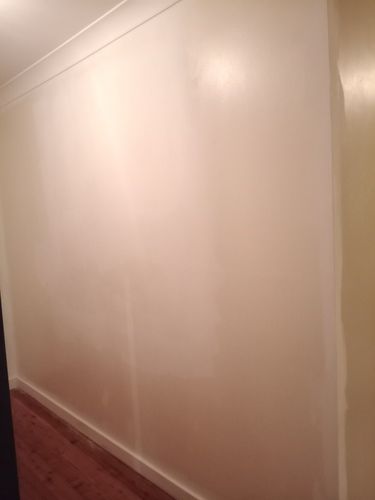
That vertical line is a reflected line in the paint 🙂 When I saw it at first I went Noooooo as well.
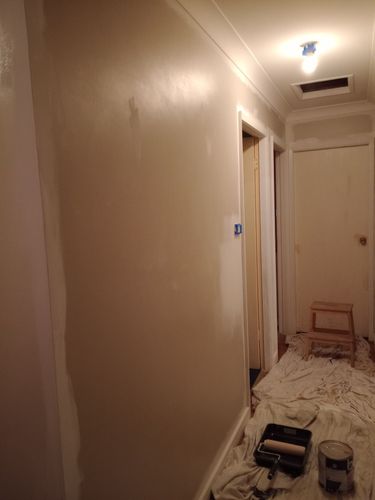
So happy to get this done.
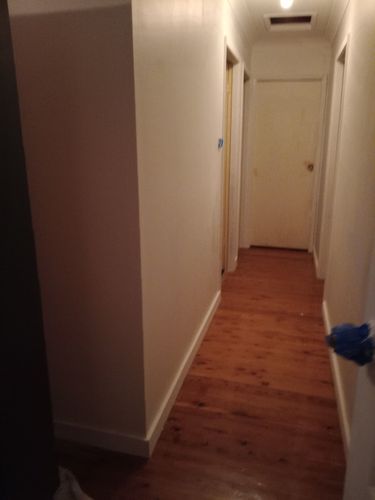
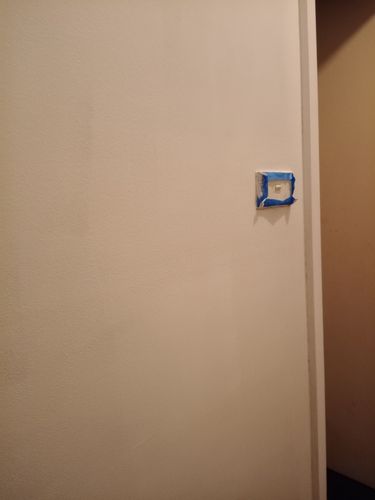
Almost done...
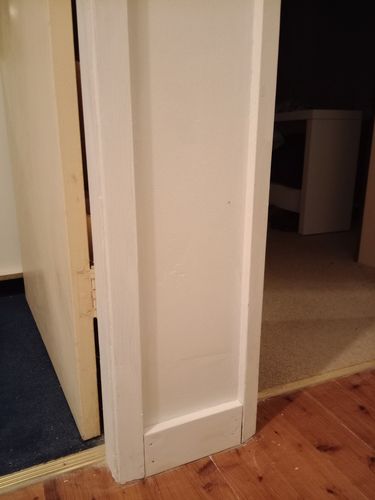
This is where my mistake from way back showed up, tiny and I was well and trully over plastering again so it stayed. In most lighting it disappears.
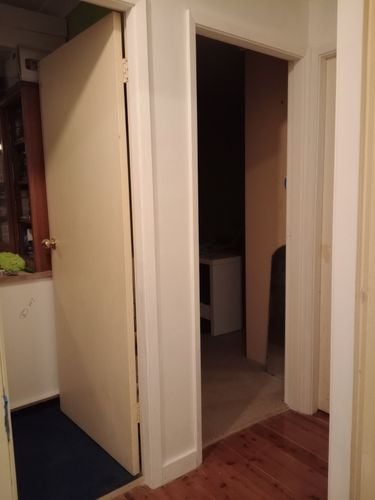
Eyes dont see it unless hunting for it 🙂
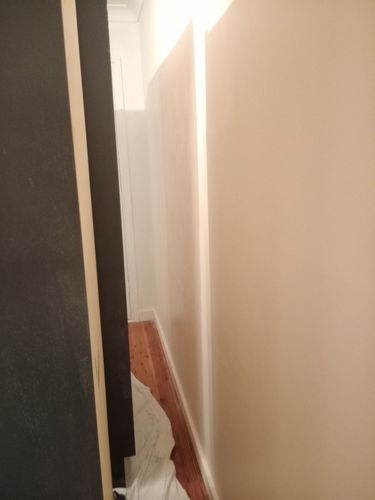
Everytime I painted the ceiling, walls I had to move the bookcases back and fourth.
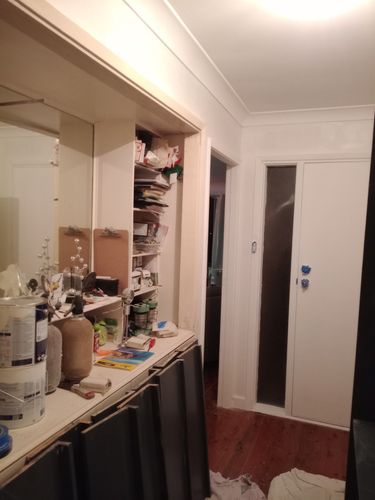
At this point I realised I would have to scrape the paint back from the cabinetry and edges and then sand... Ugh
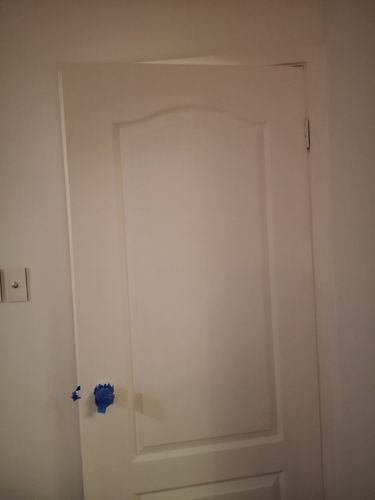
The rear of the lounge door, always rem to look past what you are doing lol I almost missed painting it.
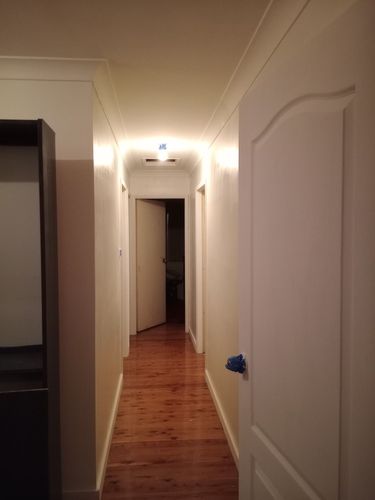
Much nicer and a LOT brighter
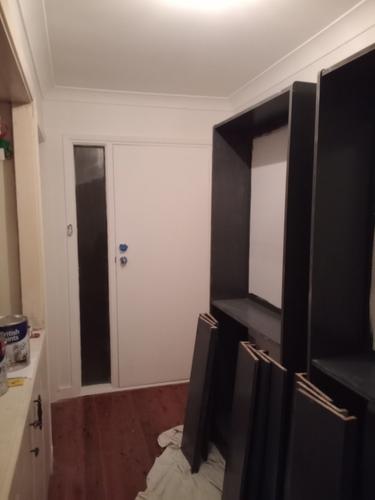
The foyer really seems to be working. 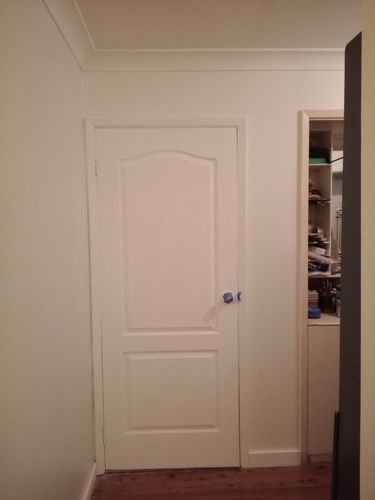
Very happy
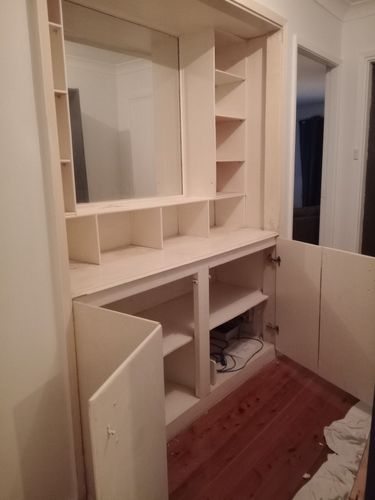
Now to start with this section, first to empty the linen cupboad and the junk that hangs out there....
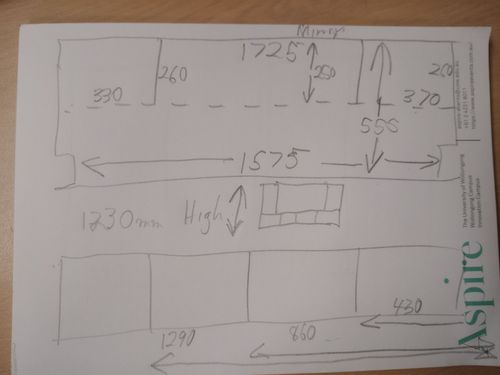
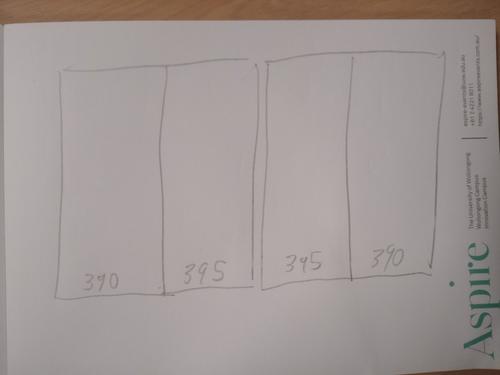
Takeing measurements so I could work out the timber facing I wanted to install. Nothing was consistant.
The piano hinges of the linen cupboards. All the shelves were hand made decades ago by the look of it.

Mulling over how to and what to do with the shelving...
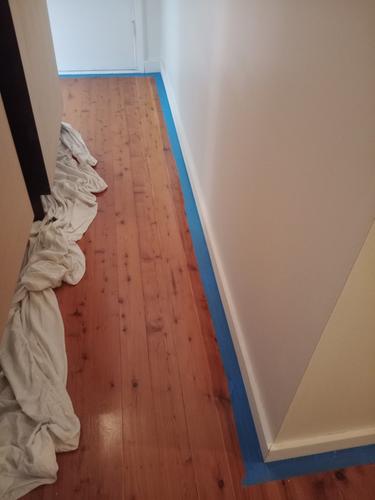
Silasticing the top of the skirt to cover the ripples inthe plaster wall compare dto the straight line of the skirtingboard.
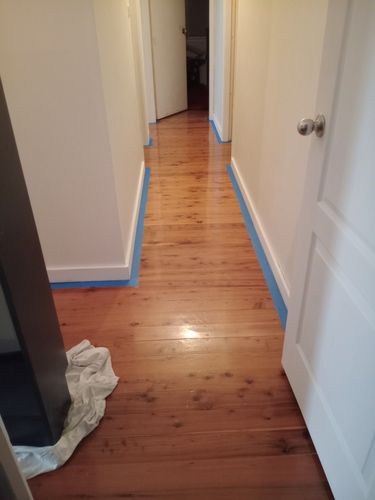
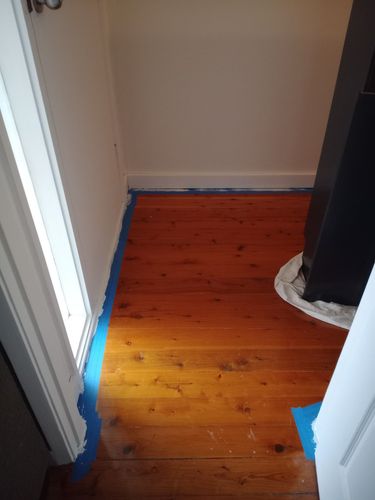
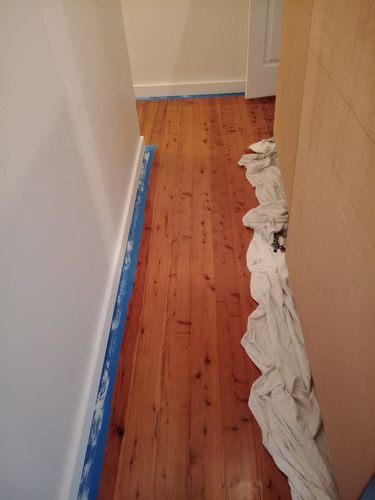
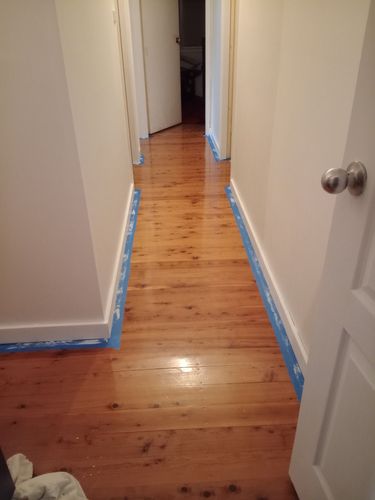
The tape made life so much easier
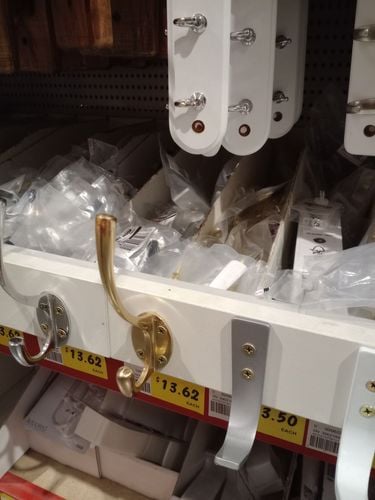
The style of hook I ended up choosing for the foyer. The brass really stands out with the black.
Step 5
I had been dragging my feet over this section, I wasnt sure if it was going to work and even if it did, a black based cabinet with black bookcases opposite it was possibly going to look a bit intense. Plus trying to work out how to fool the eyes with the look of the timber join...
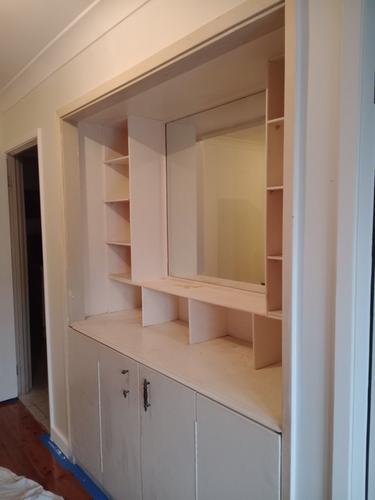
All emptied and ready for scraping the old paint off..
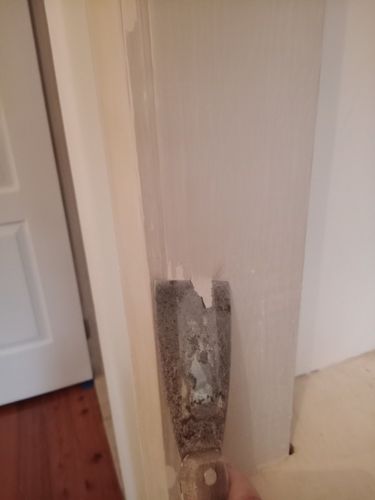
And yeah I mean scraping, seriously ran the paint scraper up and it peeled away like coldish butter
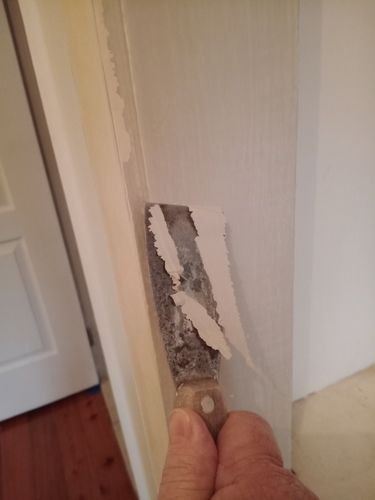
It felt so good to be done with it.
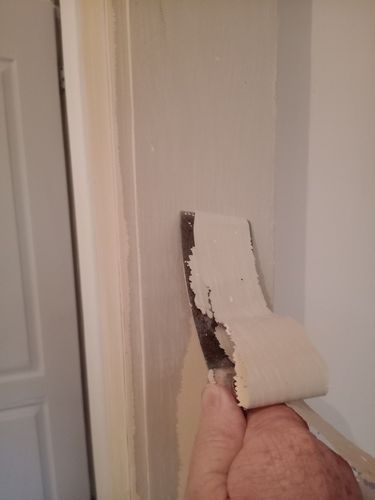
Whatever this paint was the prep hadnt been done first...
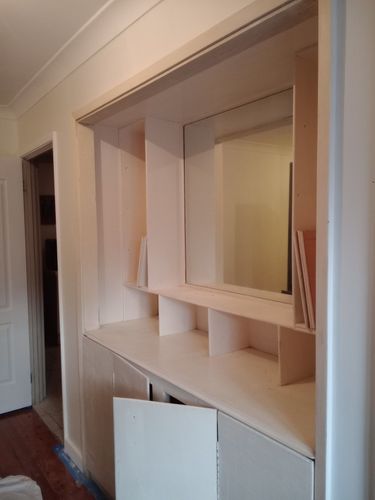
All oil based paint removed.
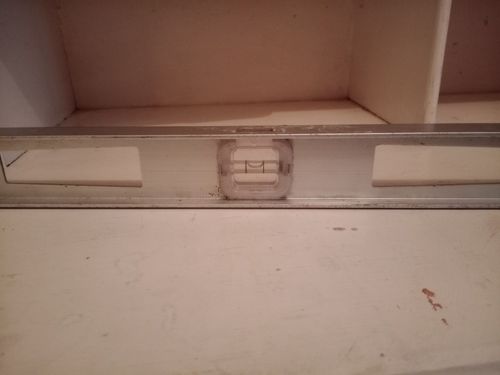
Making sure the bench was level.
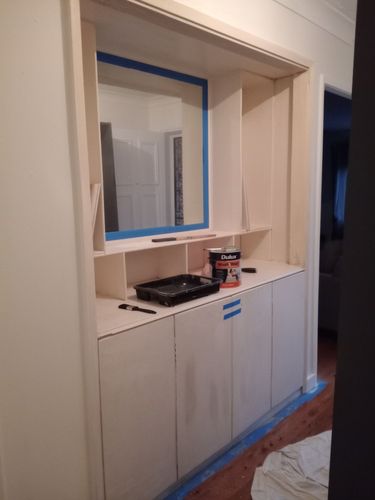
Ready to paint and yeah I was nervous, really nervous...
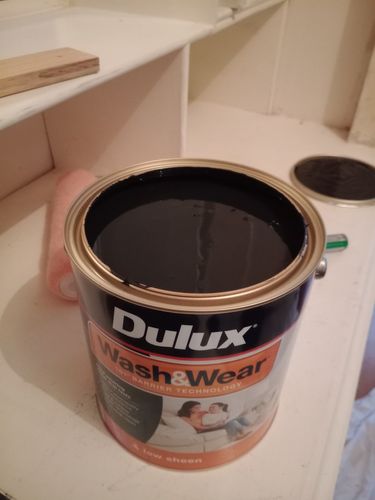
When you see a pot of black paint... well I could paint over it... "could"..
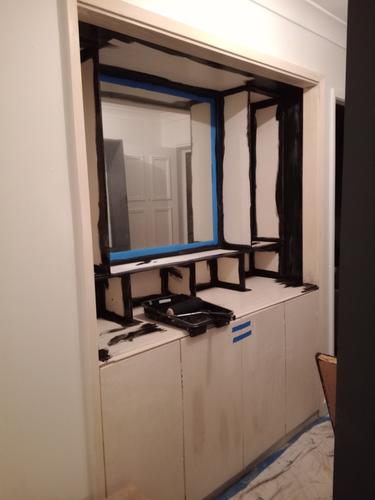
Edges all being done first...
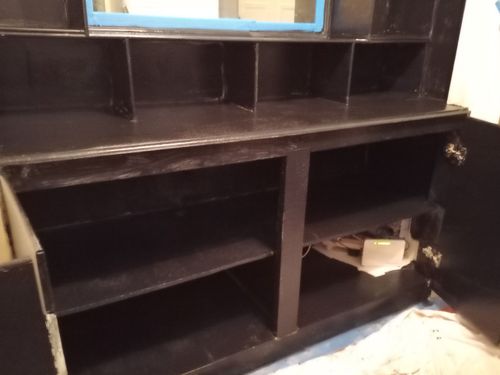
The lower cupboards even, tho I had to jiggle the NBN around over two days. Cant loose the internet afterall...
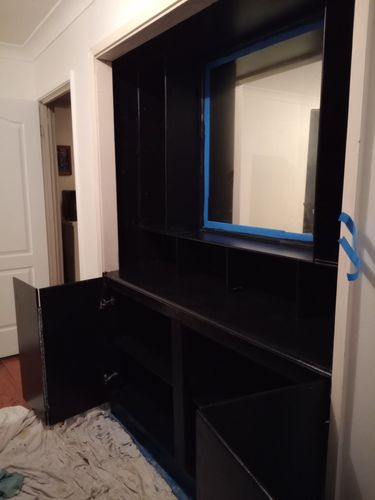
Happy but scared at the same time, have I just made a HUGE mistake?...
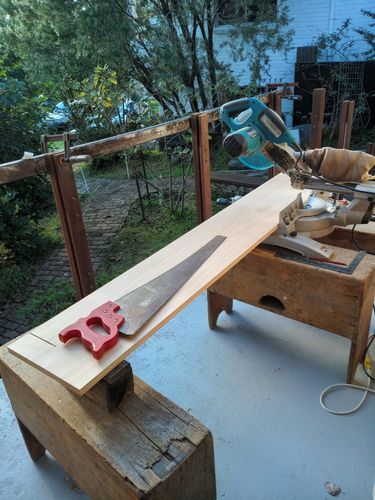
Cutting out the segmants to slot into the alcoves, I really didnt want to pull out the existing shelves and couldnt put in a single piece of timber due to edges and corners so came up with two pieces side by side.
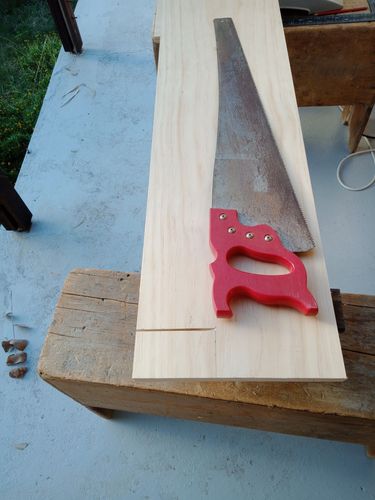
Hand saw for the small cuts, Figured a nicer cut then a jigsaw (well me using a jigsaw that is)
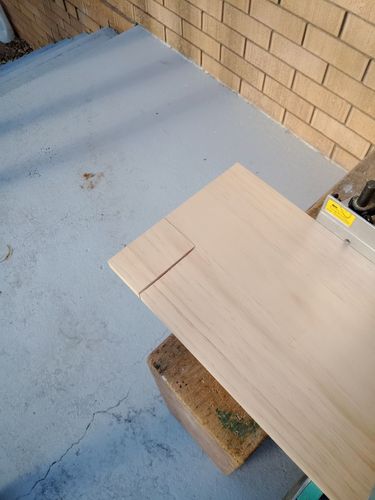
Every edge was different, nothing was symetrical.
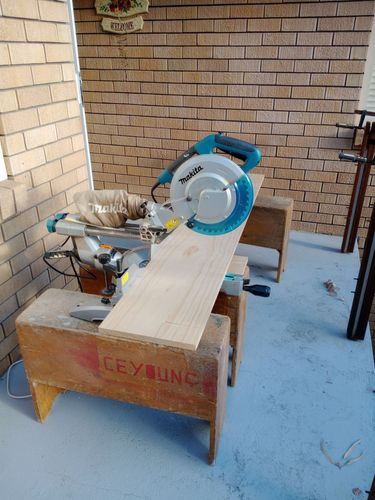
My drop saw was just big enough...
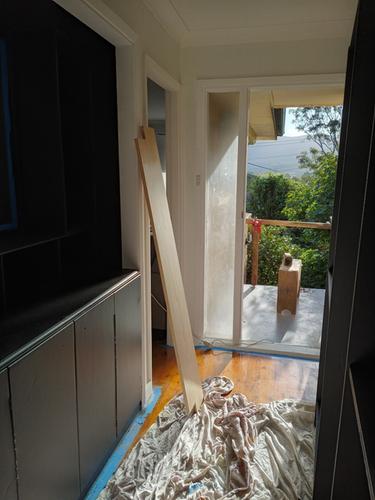
Sun is disappearing but almost done...
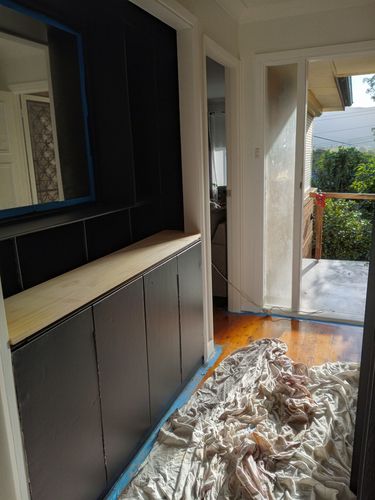
First piece in and feeling happier again...
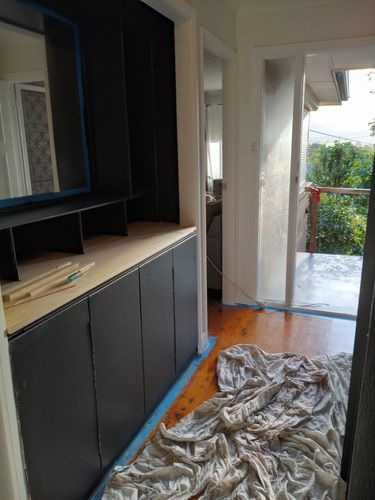
A LOT happier..
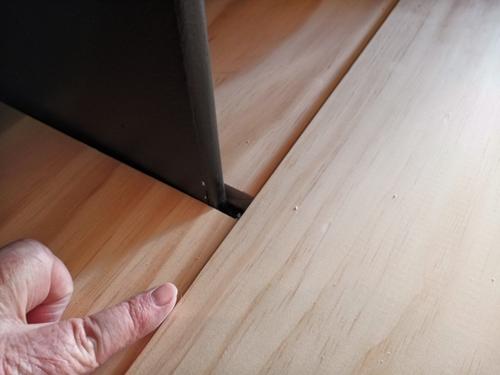
This is the join, I checked the boards before I bought them for flatness and even so there was still a tiny bit of a banana in them. I also did not want to glue the timber down so can could change it out later if I wish without a large issue.
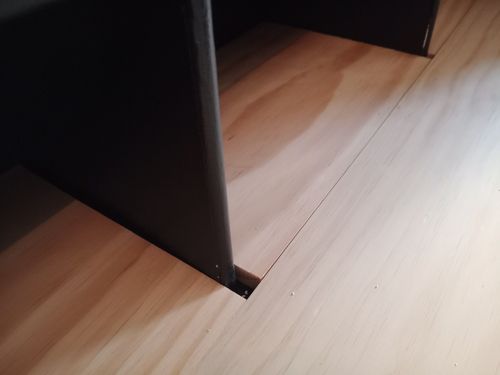
The way I figured to hide the difference between the supports and cover up the differences in measurements of the existing shelves.
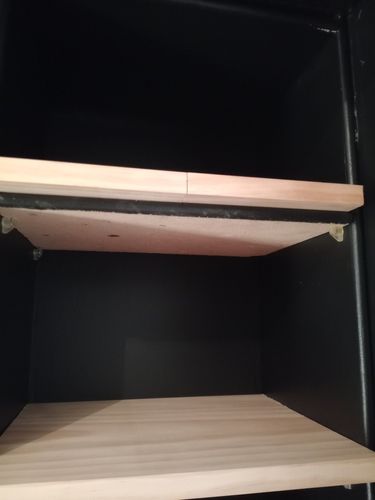
I had run out of solid pieces for the shelf toppers so used to offcuts 🙂 You dont see the join 🙂
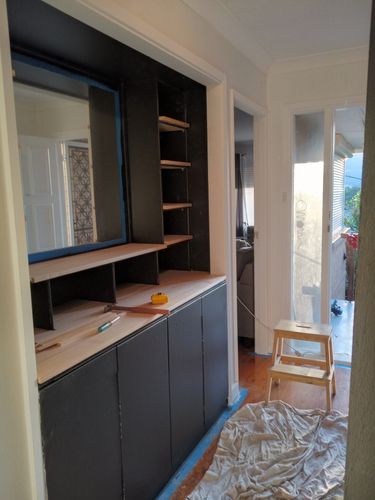
The far top shelf is the offcut shelf
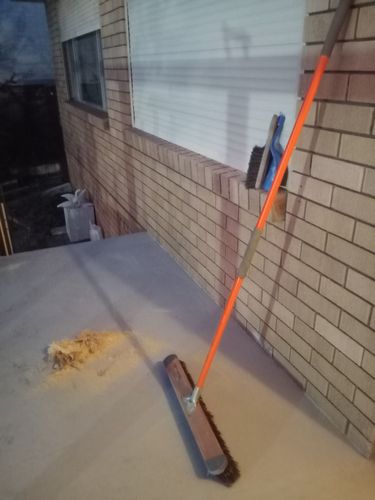
Cleanup as you go... Makes life a lot eaiser.
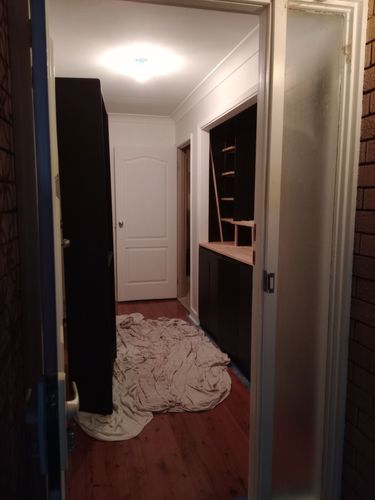
Time to call it a day...
Step 6
Finally getting down to the pointy end of the project.
Time for the trim to be cut and oiled and then installed.
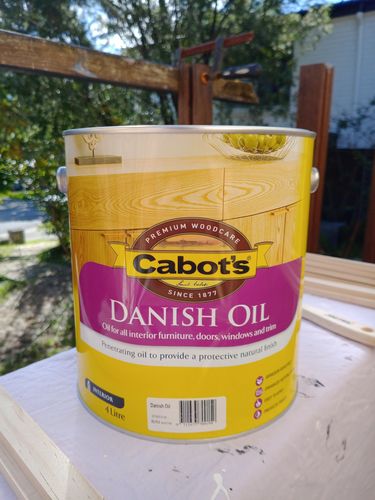
I went back through my other bookcase projects to find the type of oil I used. 🙂 Referencing does work!
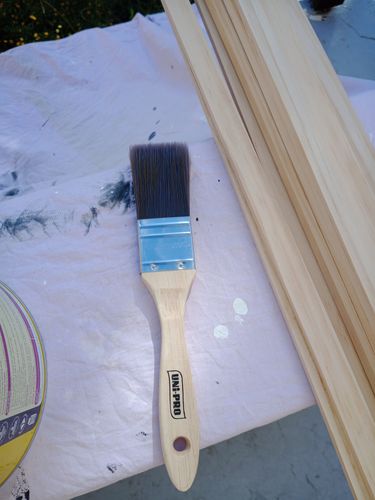
Same thing with the paint brushes I use, A photo costs nothing and is such a handy reference.
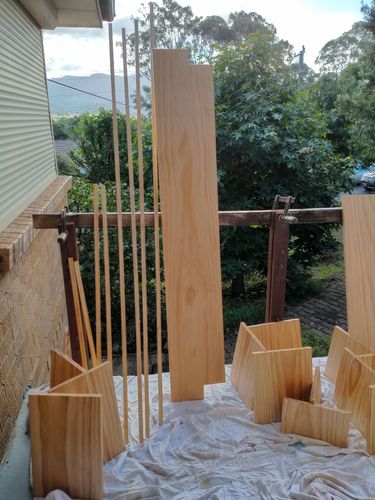
First coat done!
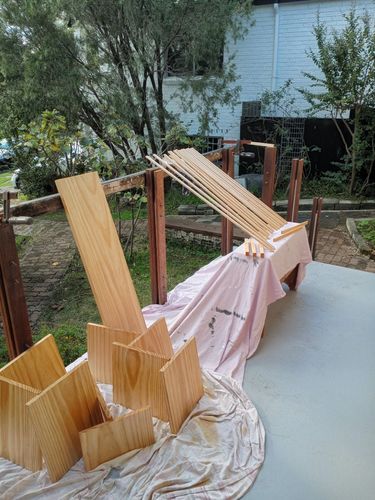
A sunny Autumn day tho still chilly.
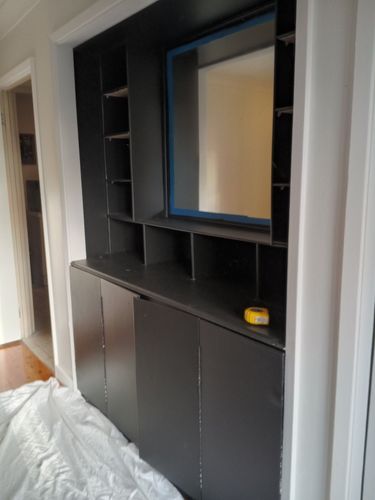
Before...
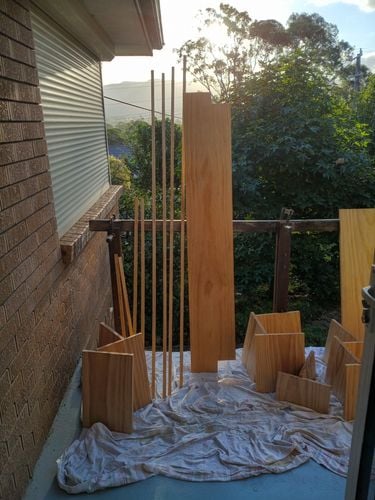
Second coat 3 hrs later
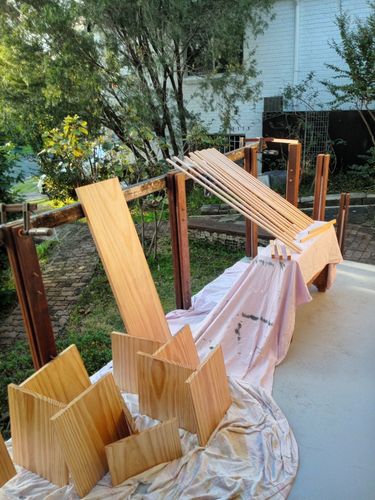
Second coat 3 hrs later
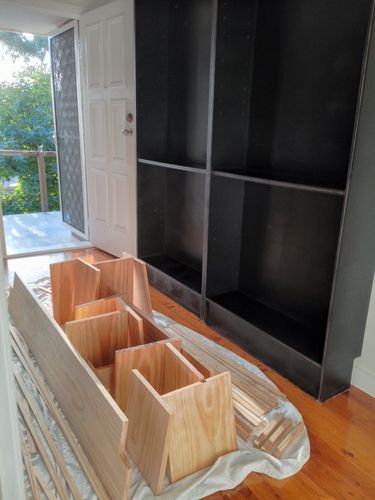
They wernt dry by dusk, almost but not quiet.
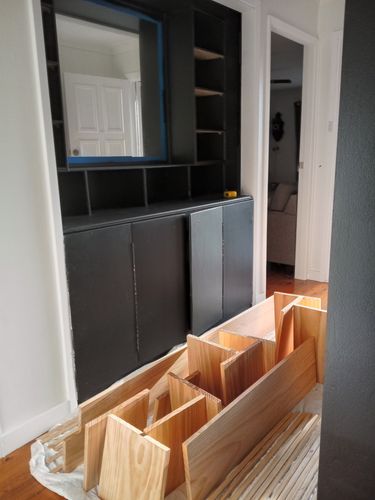
Loving the colouring.
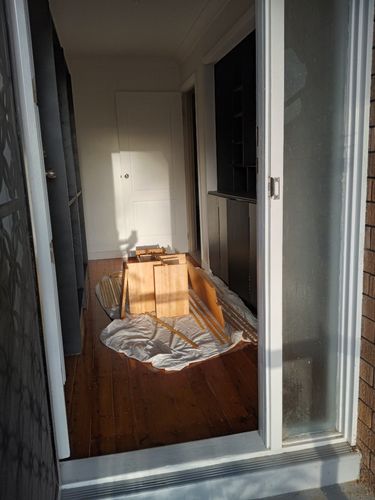
As the sun hit the mountains, it got cold fast!
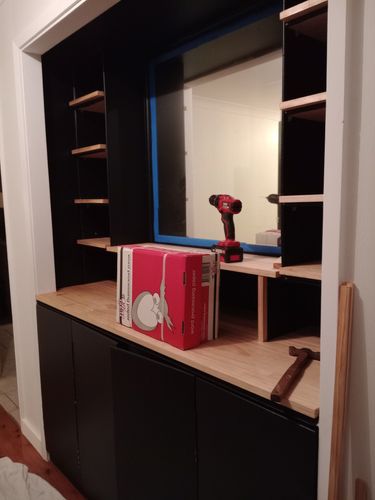
Next day install, the box of old printer paper worked a treat in holding down the timber as I installed the trim.
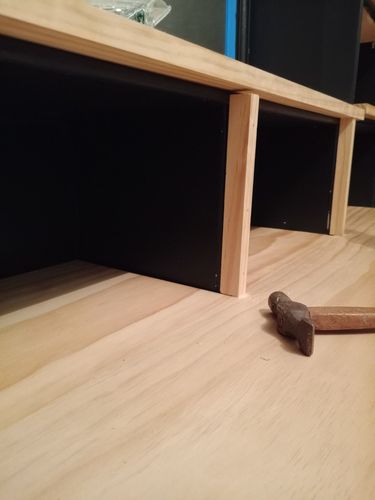
The vertical pieces held the slight bow in the timber (maybe a 1mm to 1.5mm bend) Once these were in the paper was removed with no issues.
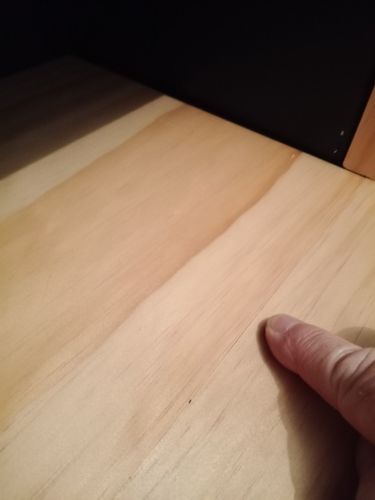
This is the join line... 😀
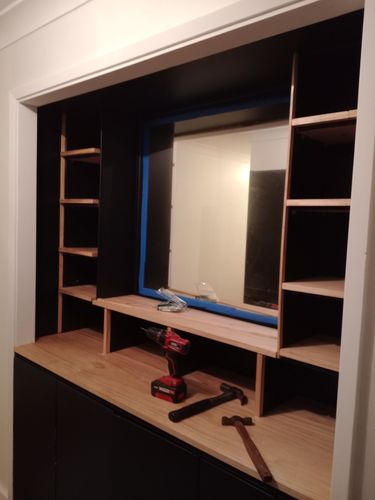
Tools of the trade...
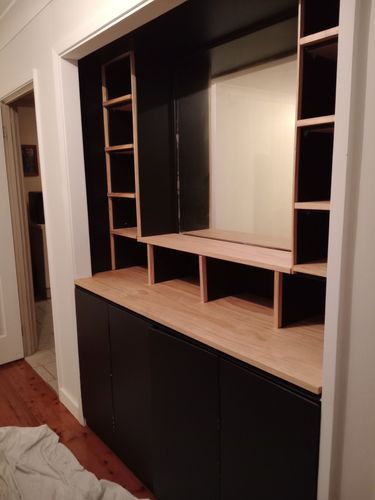
All done! 😀 need to do some touchups around the mirror of the black paint is all
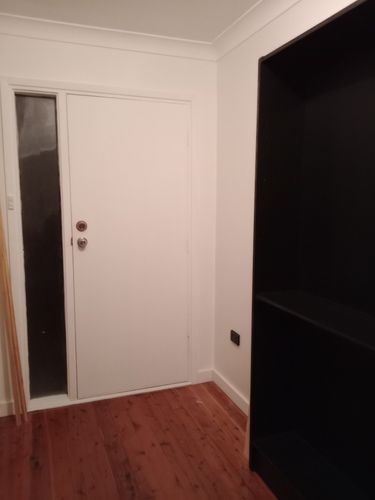
New black powerpoint installed 🙂 and you may wonder why its so far away from the bookcases (its for the bookcase lighting) Another messup with measurements, I measured from the door to the bookcase, and in the spare room from the wall to the powerpoint in that room. (It backs onto this room) Only problem is that the front door is set back by 800mm ish.... hence the location lol It worked out well as nothing gets bumped when the door opens. But Phew!
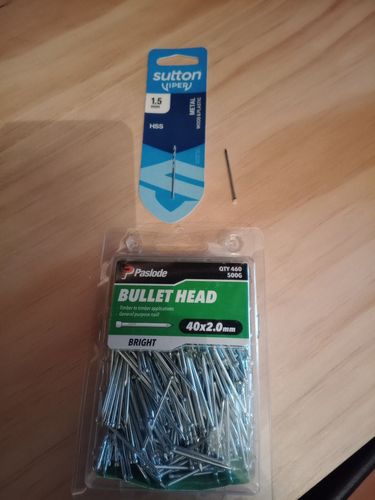
The drill bit and the bullet head nails I use to attach the trim.
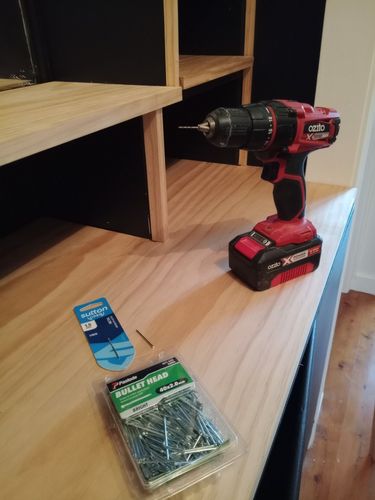
Drilling into thin particle board was a little tricky but I managed it slowly.
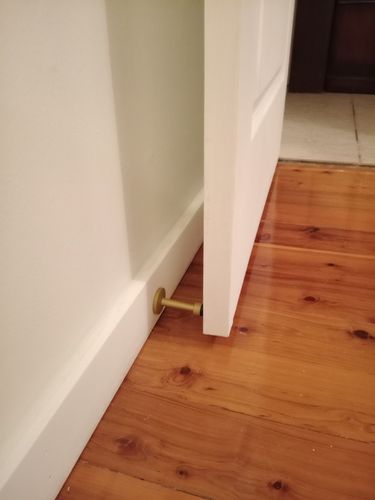
New doorstops installed
Was happy with the look 🙂
The room felt like it was coming together.
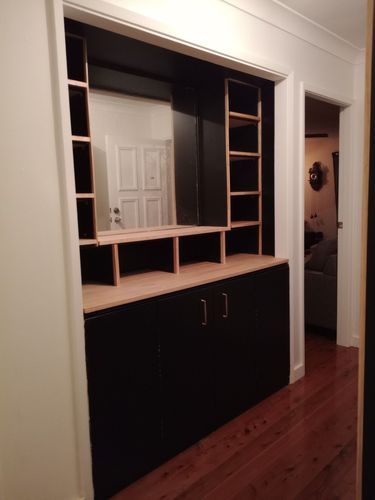
All in, including the door handles, I re-used one of the old holes from the previous handles, filled the other in with plaster before I painted it and then drilled a new one for the second attachment point 🙂
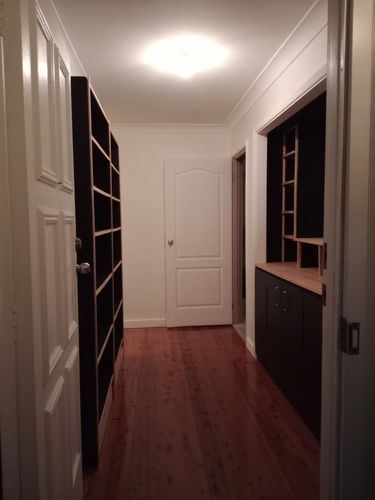
From the threshhold stepping in.
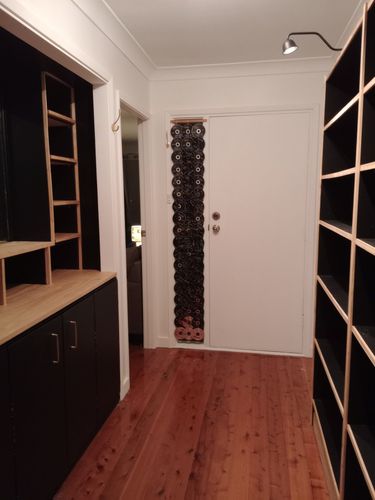
Inside look at the font door.
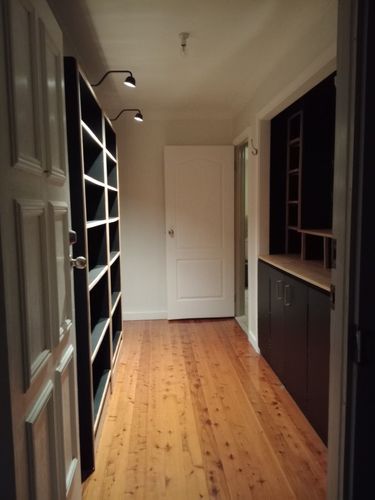
Just the ikea bookcase lights on.
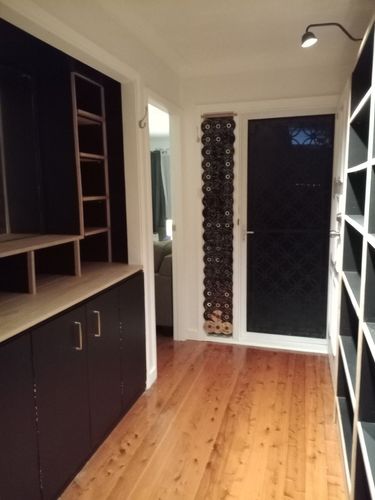
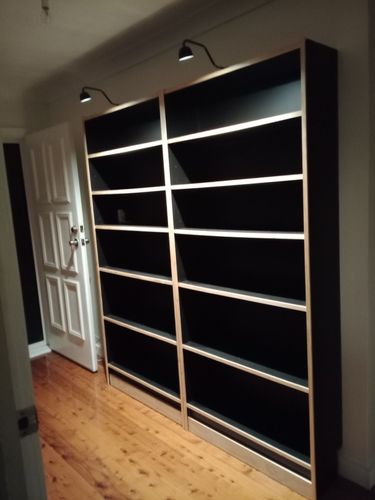
It really gives the foyer a warm feeling to walk in.
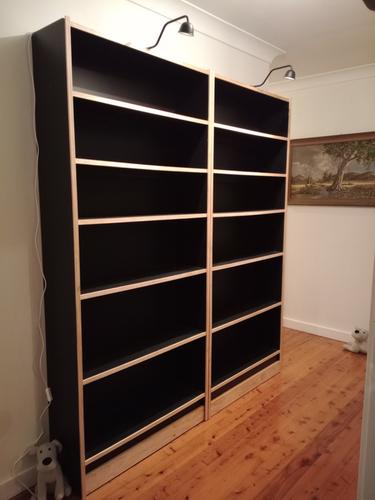
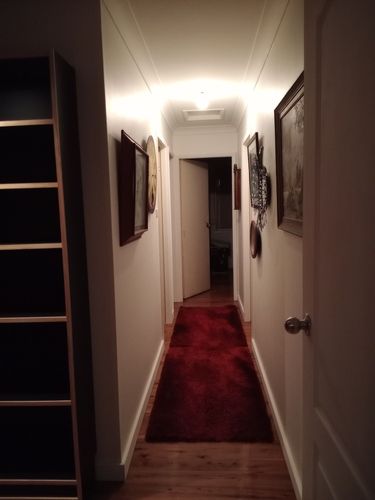
The hallway put back together.
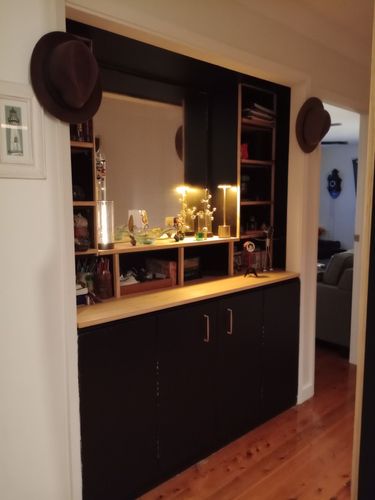
Bunnings USB powered lamps, They are different enough to not be the same same and also suit the style of the foyer.
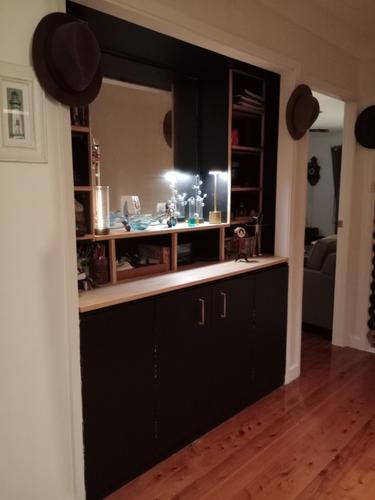
Push button on the USB powereed lights changes the lights temperture/warmth
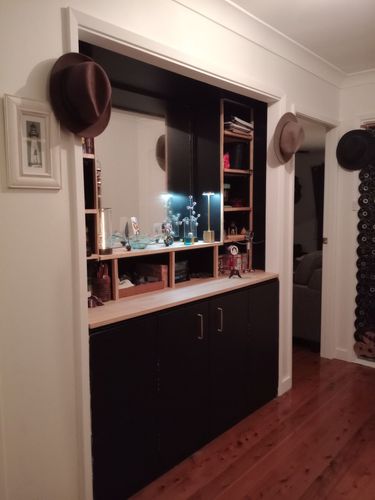
Overhead Ikea bookcase lights on.
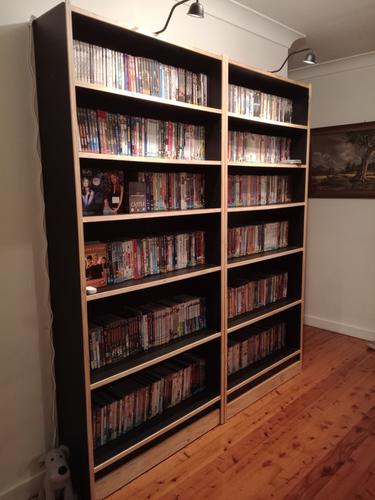
Bookcase all kitted out. This is the Bookcase retrofit if you would like to see the breakdown of it.
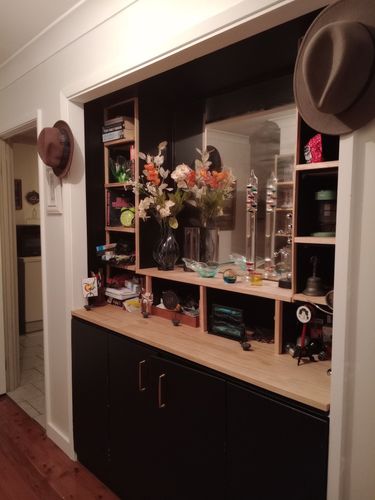
Stuff, not junk put back in place...
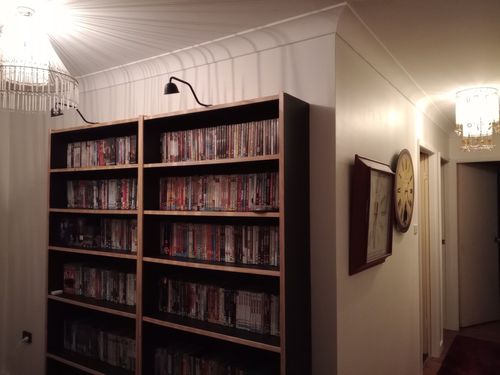
Final product, The lamp shades are another project I will post soon. They are made form several bits of old lights plus paperclips... All Up I was really happy with the project, it turned out very much like I had pictured it in my head. Worked on it from late Feb to the begining of July so maybe 2-3 months overall. The foyer still feels very inviting to step into and that was my main want.


