The Bunnings Workshop community can help with your home improvement projects.
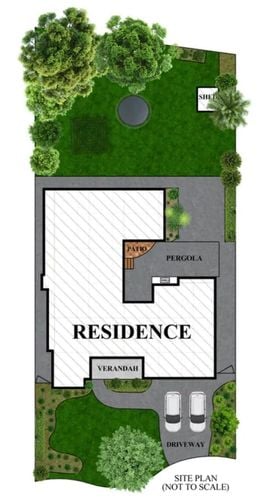
I am planning to buy a house which requires almost the entire house renovation. Below are big items that would require renovation. Below is the floor planning diagram.
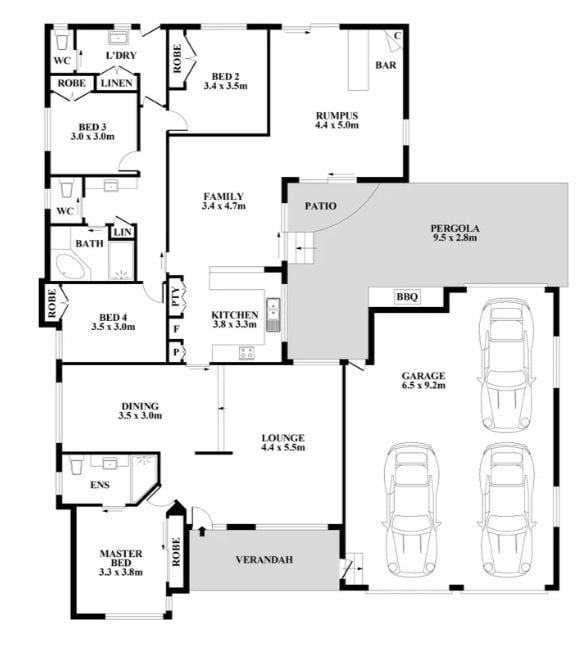
1. Remove the small concrete wall, in-front of the entry gate (starting of the lounge wall).
2. Lounge floor level is almost 1ft down from other area. Want to level it with other floor.
3. Reno the master bedroom ensuite, if possible increase the size as shower area is very small. Change of all the utils.
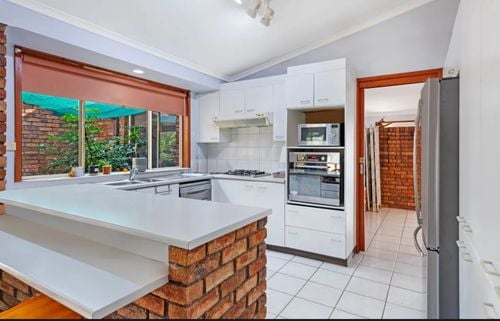
4. Complete kitchen rebuild - It has concrete wall beneath kitchen top(not sure if removing it will be good idea as it will give the flexibility to resize the cabinets and other things.)
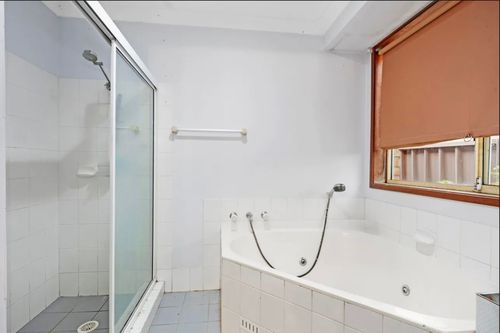
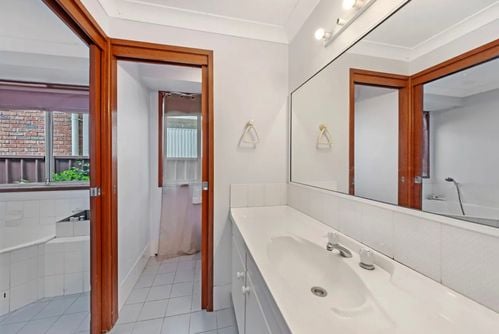
5. Complete rebuild of shared Bathroom.
6. Reno Laundry area
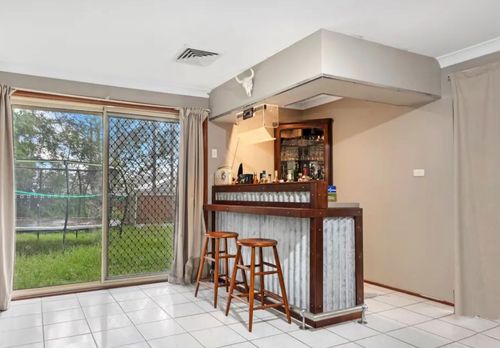
7. Remove the Bar (not concrete, just a big cabinet)
8. Entire re-Flooring with vinyl oak look
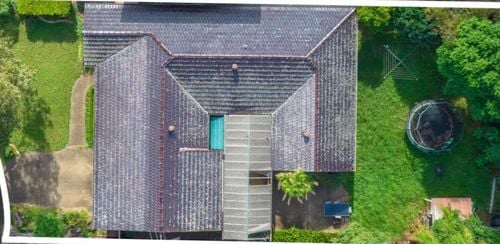
9. Repair pagola - Roof is damaged
10. Outside of the house, 1 meter concrete flooring as shown in the second picture(gray).
11. Paint the entire house
12. Repair and Repaint the roof (290m2 total built area)
Can some one please comment on high level estimates for the above? I understand the cost would vary based on type material and depends on some specifics as well. But just looking for some ball park figure.
Thank you
Solved! See most helpful response
Hello @Handy2025
Welcome to the Bunnings Workshop community. It's sensational to have you join us, and thanks for sharing your question about your house renovation.
Renovating an entire house is a significant undertaking, but with a clear plan, it can be a rewarding project. To get a good sense of the costs, it’s essential to break down the renovation into manageable sections, like the list you've provided. Here's a practical approach to organize DIY quoting for the house:
Firstly, walk through each area and take detailed notes, measuring every space and noting any potential issues, like plumbing or electrical constraints, that might impact your plans. For example, removing the small concrete wall at the lounge entry (item 1) and levelling the lounge floor (item 2) could involve structural changes, so you'll need to confirm if these walls are load bearing. This is crucial for getting accurate quotes.
For the master bedroom ensuite (item 3), expanding the shower area might require plumbing modifications, which can add to the cost. It's a good idea to get a plumber to assess this upfront. Similarly, for the kitchen rebuild (item 4), removing the concrete base beneath the kitchen top could improve flexibility but might require structural adjustments, especially if it impacts load distribution or plumbing locations.
For shared bathroom renovations (item 5) and laundry updates (item 6), it's worth considering prefabricated wall panels or waterproof boards, as these can reduce tiling costs and speed up the installation.
The bar removal (item 7) should be straightforward if it’s just cabinetry, but you’ll want to check for any electrical connections before demolition. For the re-flooring with vinyl oak (item 8), measure the total square footage of the house carefully, including hallways and closets, as these often get overlooked. The pergola roof repair (item 9) might be a mix of DIY and professional work, depending on the extent of the damage. If it's just panel replacement, it could be a straightforward DIY, but structural damage might need a pro.
For the exterior concrete flooring (item 10), ensure the ground is properly compacted and sloped for drainage before pouring the concrete. Painting the entire house (item 11) can be a big job but manageable if you break it down room by room. Renting or investing in a paint sprayer can speed this up significantly. Finally, for the roof repairs and repainting (item 12), it's crucial to get a roof inspection first to check for underlying issues like rust or cracked tiles, which could impact the cost.
To form a reliable quote, get at least three quotes from different builders or trades for each major section. Some jobs, like the bar removal or painting, can be more cost-effective as DIY projects, while structural changes or plumbing should be handled by licensed professionals. Also, consider permits, especially if you're altering structural elements or plumbing. Personally, I would suggest preparing an estimated budget of not less than 100,000.
Let me call on our experienced members @Dave-1, @Nailbag, @JoeAzza, @Remarka6le, @diy_hausdesigns, @ProjectPete, @tom_builds and @TedBear for their recommendations.
If you need further assistance, please let us know.
Eric
Good Evening @Handy2025
I would follow @EricL 's suggestions and walk throught the house.
Figure out how much and what you can do yourself as it may change the costings of the renovation.
It would be wise to have a project book of some kind to jot down costings per room, that way you can expand on your points and get some kind of figure to consider.
The last one that I can add is to factor in the "time" you want the renovation done in, the shorter the time the higher the cost in trades people.
Longer time, potentially its a chunk of your labour that you are considering.
You will be paying for the property so having a longer unlived in house would also help with that seesaw decision over costs verse time.
I cant really suggest estimites as they will change from area to area and also the products that you use. But following the steps listed will help you add up an overall cost.
Dave
Hi @Handy2025
To be brutally honest, there is literally hundreds of variables to take into account in order provide a "ballpark" dollar value. But I can say with high confidence you are looking well north of $250K, and thats doing most of the work yourself.
Your best solution is taking on board some of the comments @EricL has made. Break down each room and get several quotes. Finding turn-key builders will be easier to manage this over multiple trades, especially as many rooms will impact other spaces. And as @Dave-1 mentioned there is a time factor, the longer it takes the more it will cost you. And if it drags out too long there is the potential for trades not to come back to complete the work. Doesn't sound fare, but it's very common, especially if there is a dispute. You also need to factor in your legal requirements for building permits and approvals. The list goes on . . . . . .
Nailbag
I'm afraid..with respect..I disagree with most suggestions made..
It's not much point walking through each room and noting what needs to be done..if you have no idea of costings..
Also in areas like kitchens and laundries were there is water..you have no idea of what the condition of the wall timbers are like and you may find that walls need to be replaced..
Many a home renovator has had huge over runs because they had greatly under estimated what it was going to cost...
My advice is to bring a builder in to give you a price..They should be able to give you a close estimate with perhaps with some contingencies..
Prof..
Thank you EricL, really appreciate for all the suggestions.
Thank you Guys, for all the suggestions. I understood, it is hard to get the estimates especially by just looking at the pictures. But I think I get the idea how I should be proceeding and what I need to do. Most likely if get this house, I will hire a builder to do the reno.
Thank you for all the valuable suggests.
Regards
Good Evening @Handy2025
Hope you are succesful and love dreaming up renos! They do change over the time btw ![]()
For instance my kitchen remodel has probarly gone through three complete shanges in my plans ![]()
Dave
Workshop is a friendly place to learn, get ideas and find inspiration for your home improvement projects
We would love to help with your project.
Join the Bunnings Workshop community today to ask questions and get advice.