Workshop
Ask a question

The Bunnings Workshop community can help with your home improvement projects.

How to stop water condensation on window frame?

algaema
Finding My Feet

How to stop water condensation on window frame?

Hi all,


We are now upgrading our windows to double glazing and repainting the frames.

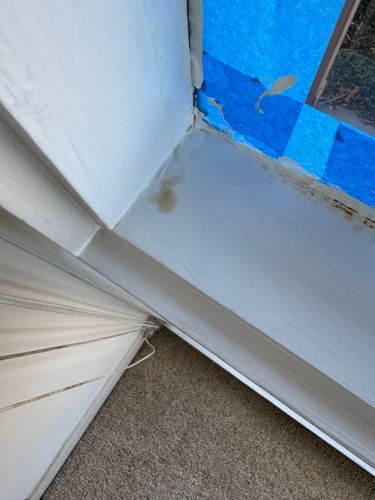
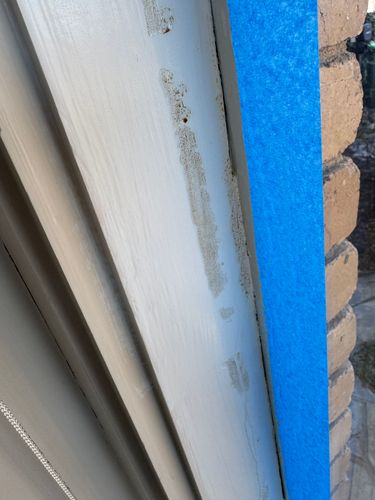
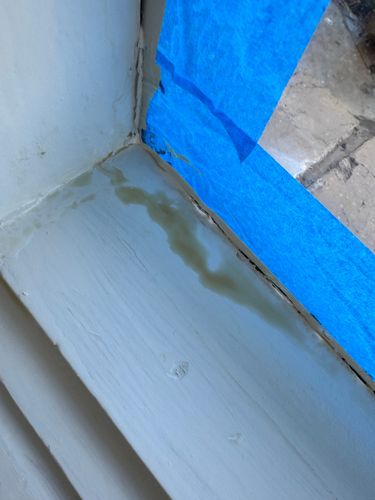
After painting the internal frame, we noticed that there is some water condensation the next day. That is not leaking from the window as the photos can tell, but looks like some condensation that come from no where. May I ask what is that? How can we fix this?
 

IMG_9410.jpeg

IMG_9408.jpeg

IMG_9409.jpeg

JacobZ
Bunnings Team Member

Re: How to stop water condensation on window frame?

Hi @algaema,


A warm welcome to the Bunnings Workshop community, it is fantastic to have you with us.


What’s probably happening is that warm, moist air inside the room is coming into contact with the cold window frame overnight, which makes the moisture in the air condense on these surfaces. Gravity will then kick in, causing the condensation to accumulate at the bottom of the frame.


This is a common issue with single-glazed windows, and condensation often forms on or near the coldest surfaces in the room, which will be the glass or the frame around it. The freshly painted surface may coincidentally highlight the condensation more clearly. 


When the second pane of glass is installed, there will be an air gap between the two panes of glass. This air gap slows down the transfer of heat from the warm side (inside) to the cold side (outside), keeping the interior glass surface warmer than it would be with single glazing. Because the interior surface stays closer to room temperature, it is far less likely to drop below the dew point — the temperature at which condensation forms.


Improving ventilation in the room by opening windows during the day or using an exhaust fan or dehumidifier will help reduce humidity and prevent condensation. 


Once your double glazing is installed, you should notice a significant improvement.


Let me know if you have any further questions.


Jacob


Re: How to stop water condensation on window frame?

Thanks a lot for your reply. Well, indeed we have already installed double glazing, it is just the painter tape is masking the double glazing. 

What we found it weird is even after double glazing is installed, there is still this condensation appearing. The other weird thing is it is not appearing next to the window, but in the middle of the frame. I do have a theory that because my hourse is of brick veneer structure, and the empty space between the brick and in house dry wall is may be cooler than the brick (cannot confirm), so there is more condensation in the middle. Not sure if my hypothesis is correct.

JacobZ
Bunnings Team Member

Re: How to stop water condensation on window frame?

Hi @algaema,


Do you have any photos of the windows from outside?


Do the windows look like they are well sealed all around? Both inside and out?


It could be that the window frame is backing onto a wall cavity that is allowing cold air in, cooling down the timber, and then moisture in the air is hitting the cold frame and then condensing.


Sealing up any gaps around the window with silicone or Exterior No More Gaps could help.


I'll wait to see what you have on the outside, then I'll assist further.


Jacob


Re: How to stop water condensation on window frame?

You are spot on! It seems there are a larger than expected gap between the window frame and the bricks. Possibly that is reason for colder spot in the middle of the frame that results in condensation. Will see if some kind of sealing between the frame and the bricks will help. 


IMG_9469.jpeg

JacobZ
Bunnings Team Member

Re: How to stop water condensation on window frame?

Hi @algaema,


I'd say that's the culprit. 


I'd suggest you seal the gap with some Sikaflex Pro+ in a colour of your choosing.


Check out How To Silicone a Gap for the basic idea. You can apply painter's tape to either side of the gap, then apply your sealant and strike it off with a Silicone Scraper.


Make sure you have a bucket of water and plenty of rags handy as it can get a bit messy and it is best to clean things up while your sealant is still wet.


Let me know if you have any further questions.


Jacob


Why join the Bunnings Workshop community?

Workshop is a friendly place to learn, get ideas and find inspiration for your home improvement projects