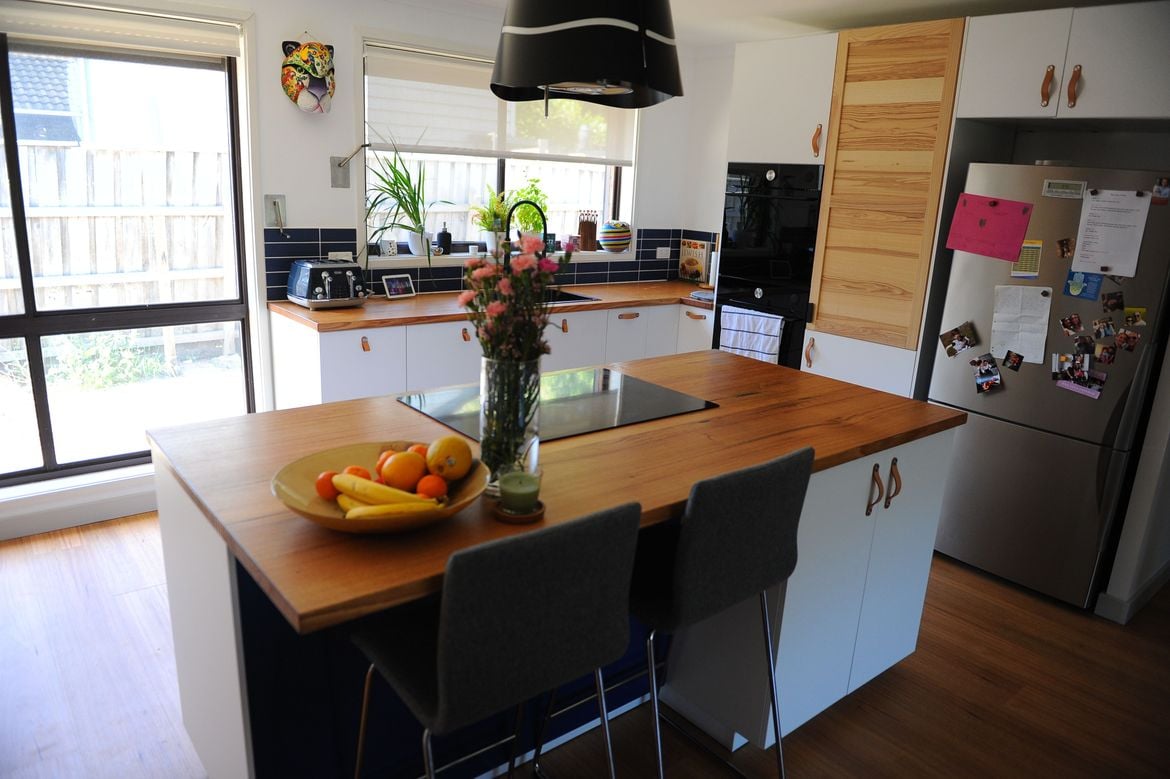
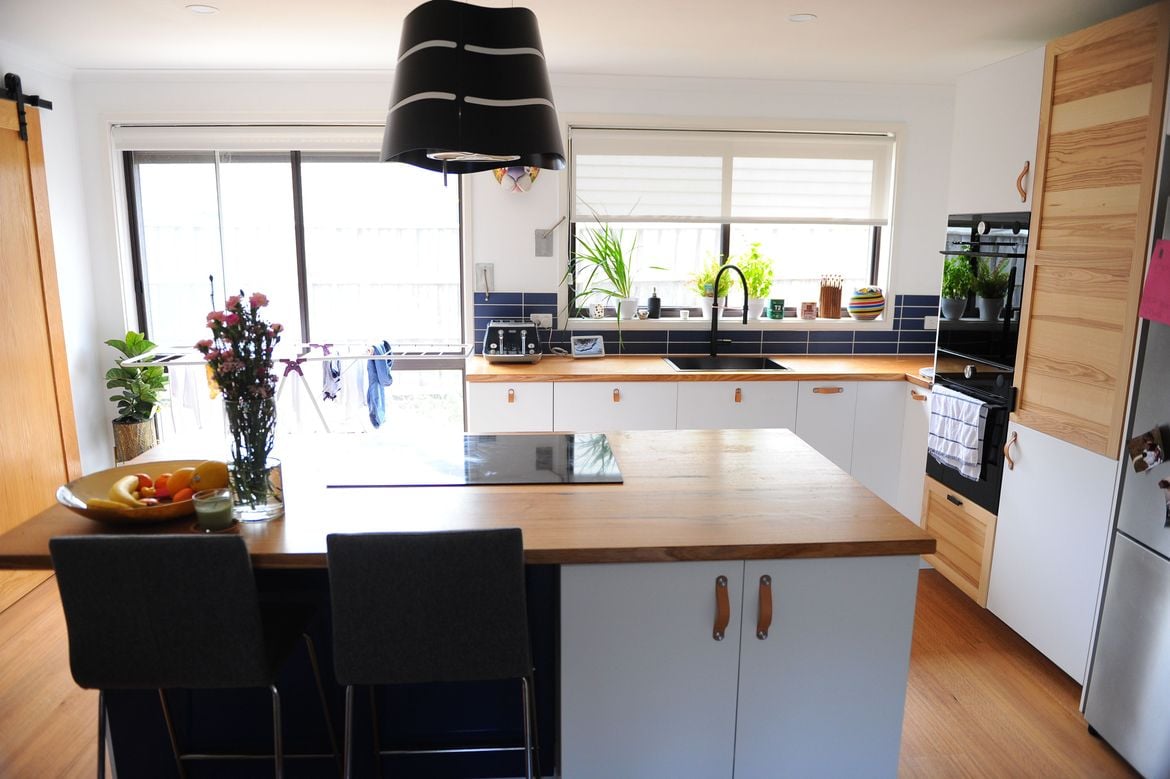
This carefully thought-out kitchen renovation replaces a U-shaped bench layout with an island set-up and lots of clever storage solutions.
The project
I had a lot of things to consider when planning this kitchen renovation – including whether to knock down the wall between the kitchen-dining area and the lounge room, and whether to turn the dining-room window into a sliding door to the backyard.
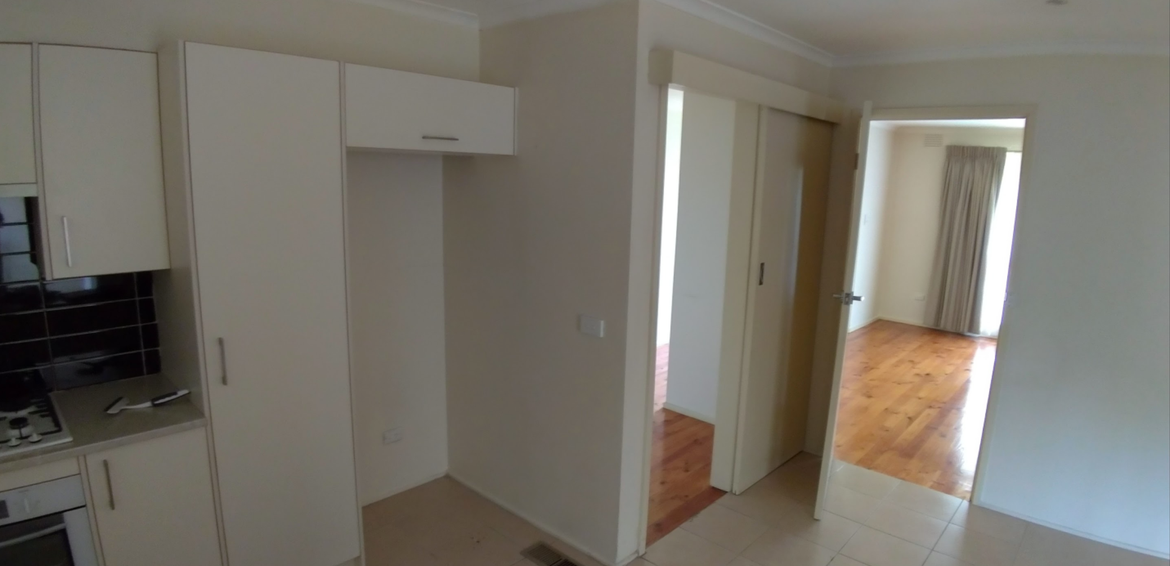
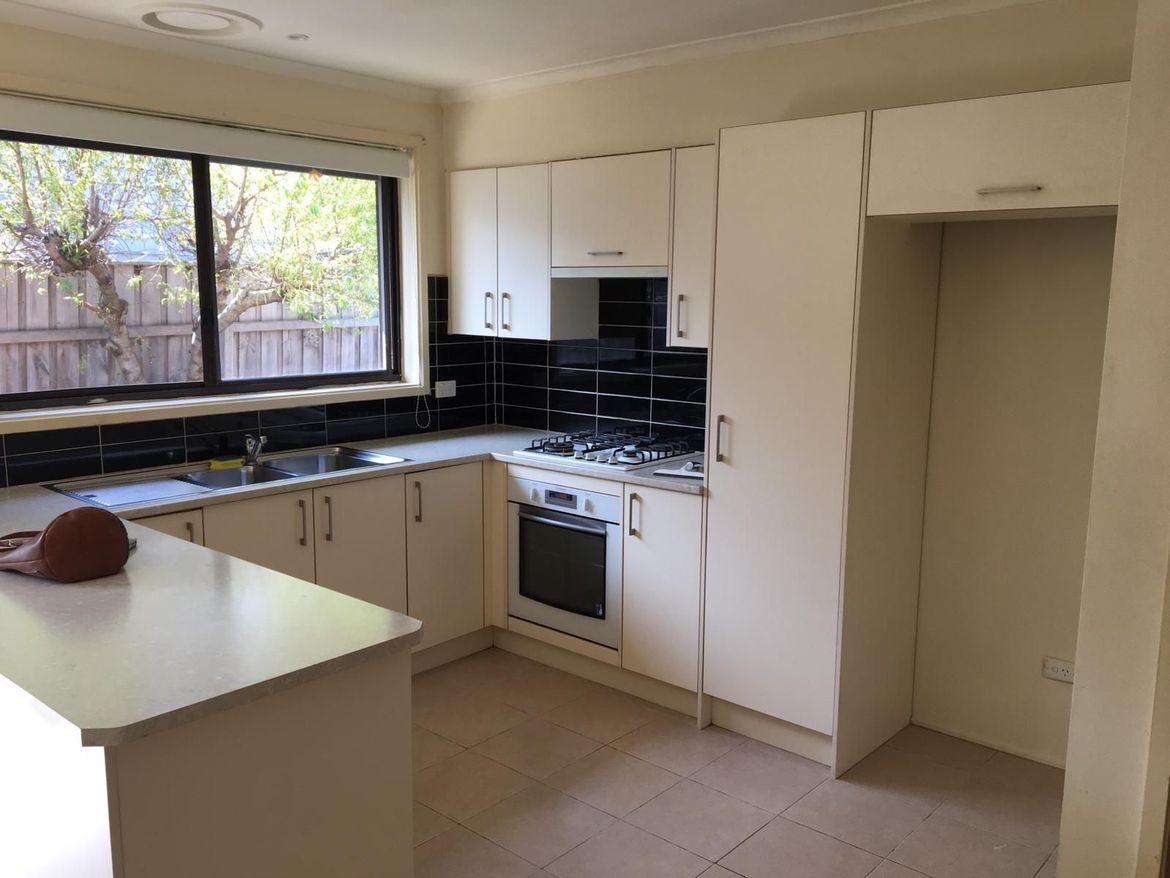
This was the original shape of the kitchen and dining area.
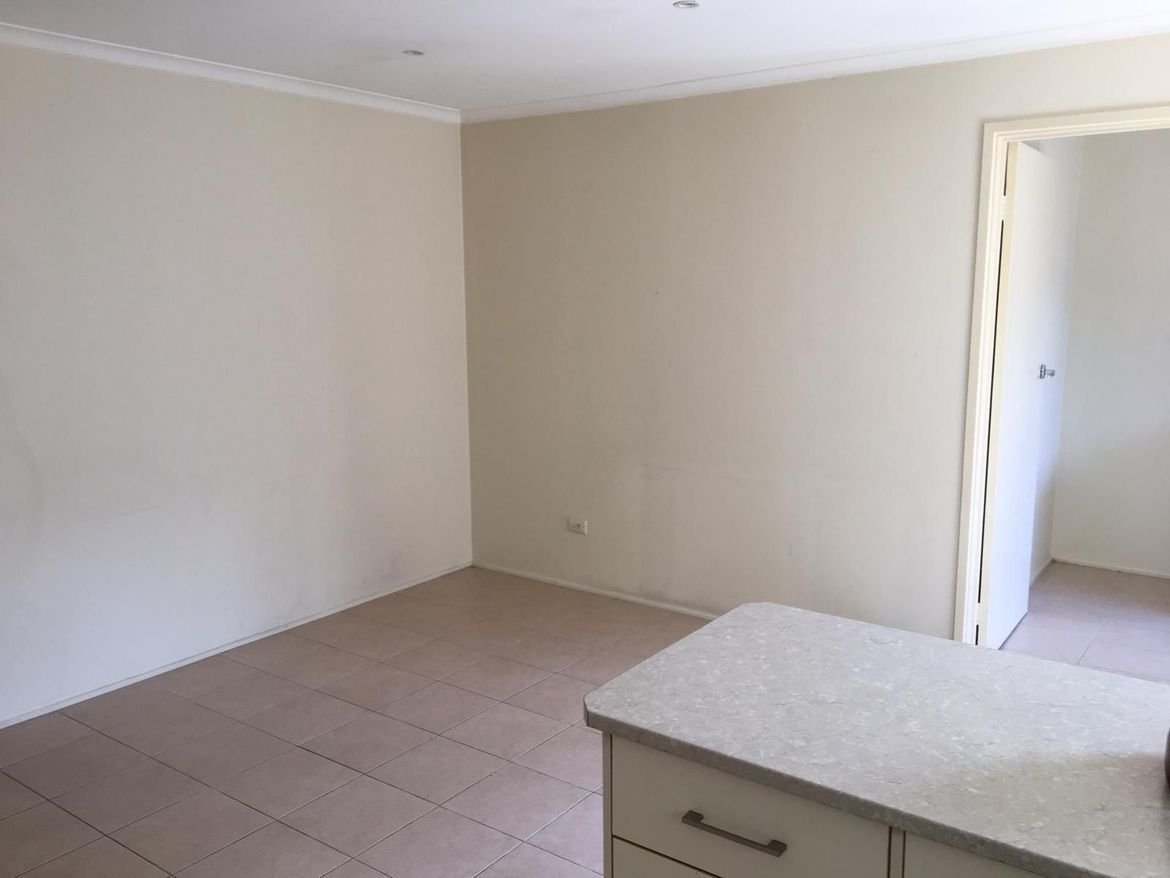
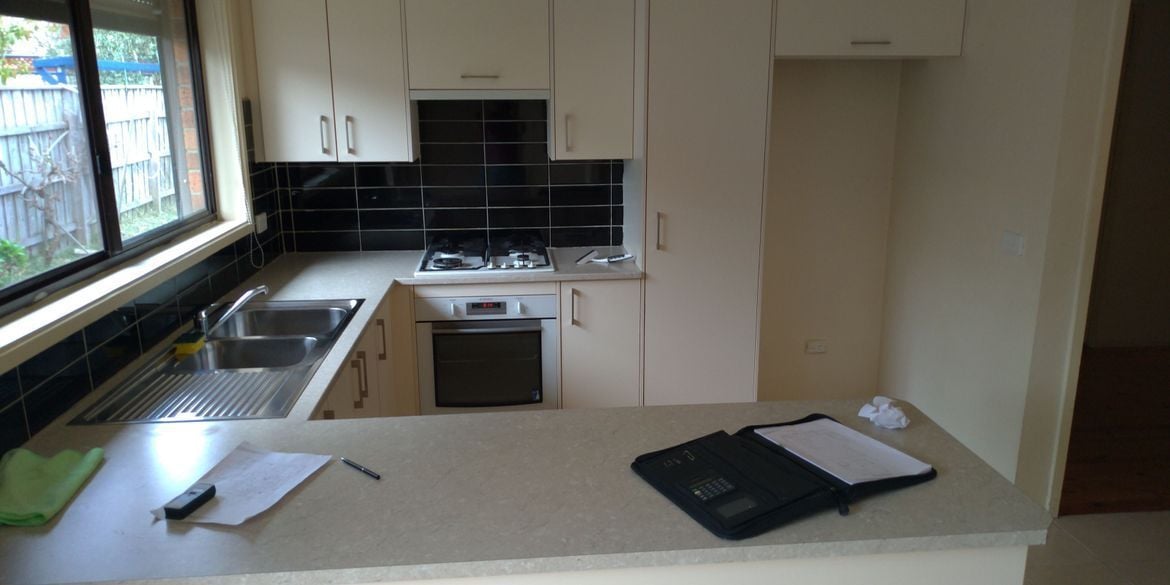
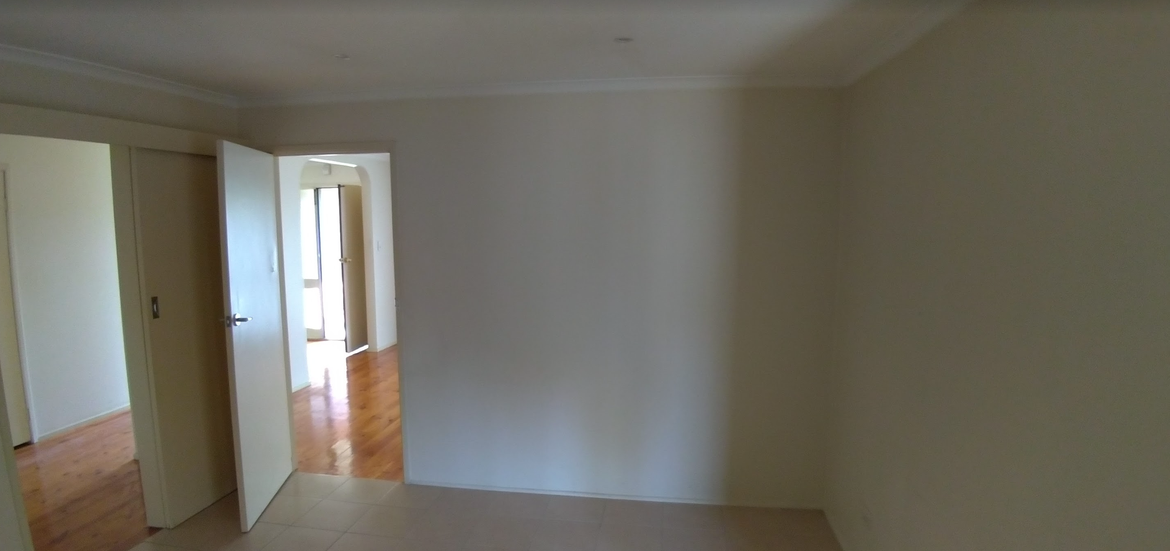
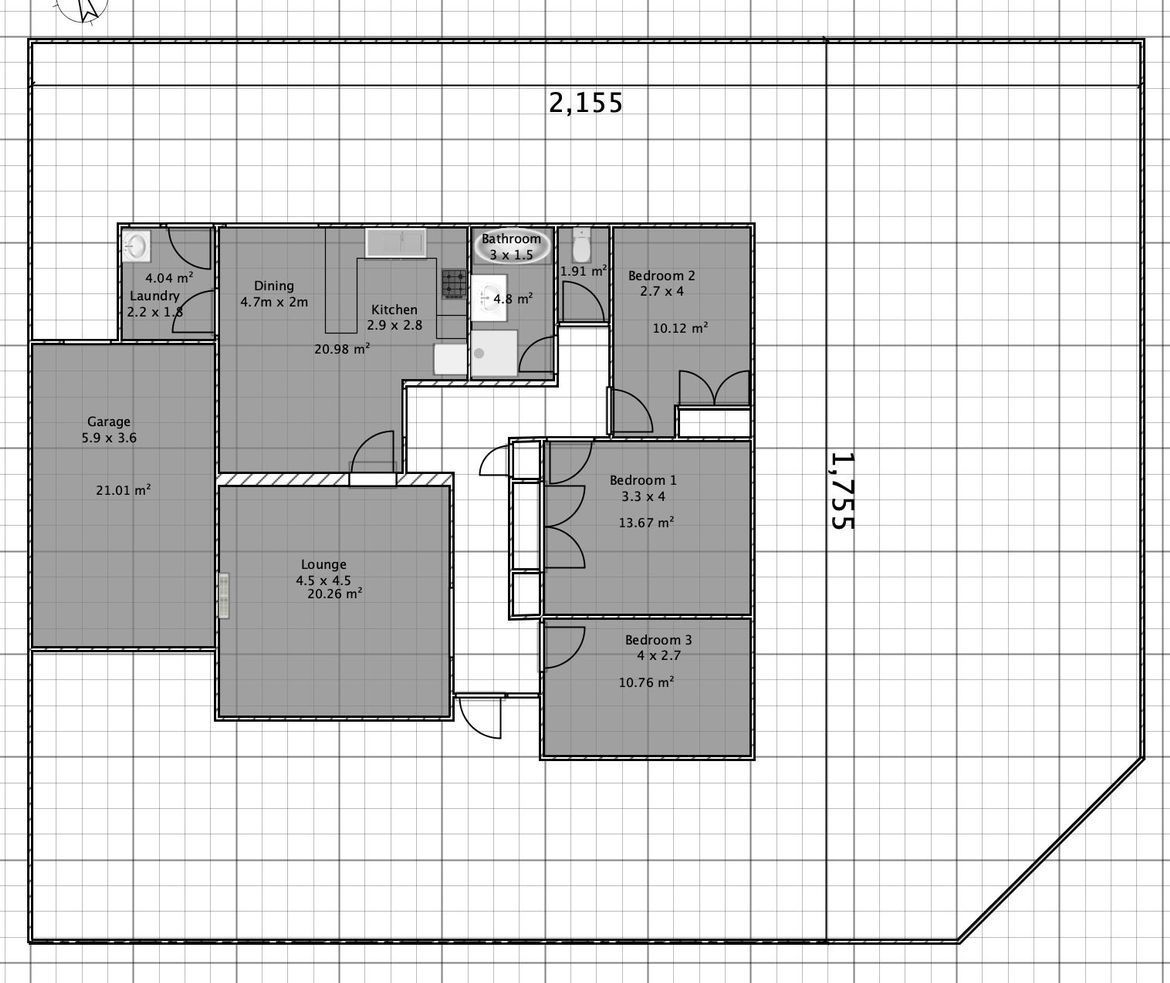
And these were my initial thoughts on what to do with it.
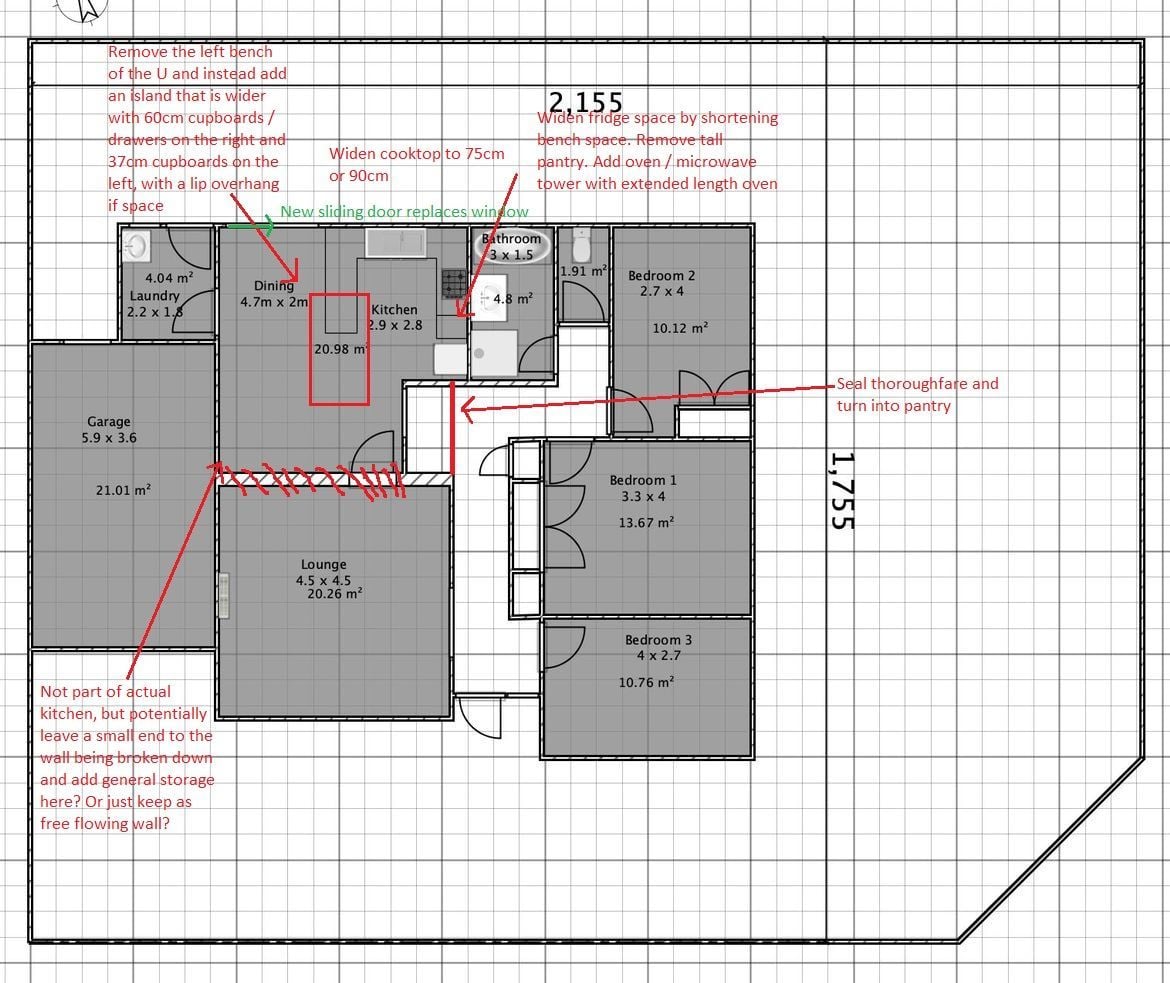
I was concerned that closing off that thoroughfare would limit the functionality of the house by making it so that you can only get to the kitchen via the lounge. We decided against that.
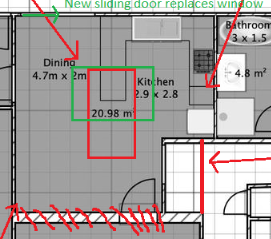
We also thought the kitchen island might be better oriented like the one in green below:
I began playing around with the Kaboodle planner to get an idea of what I might do with the space.
I came up with two options: a G-shaped layout...
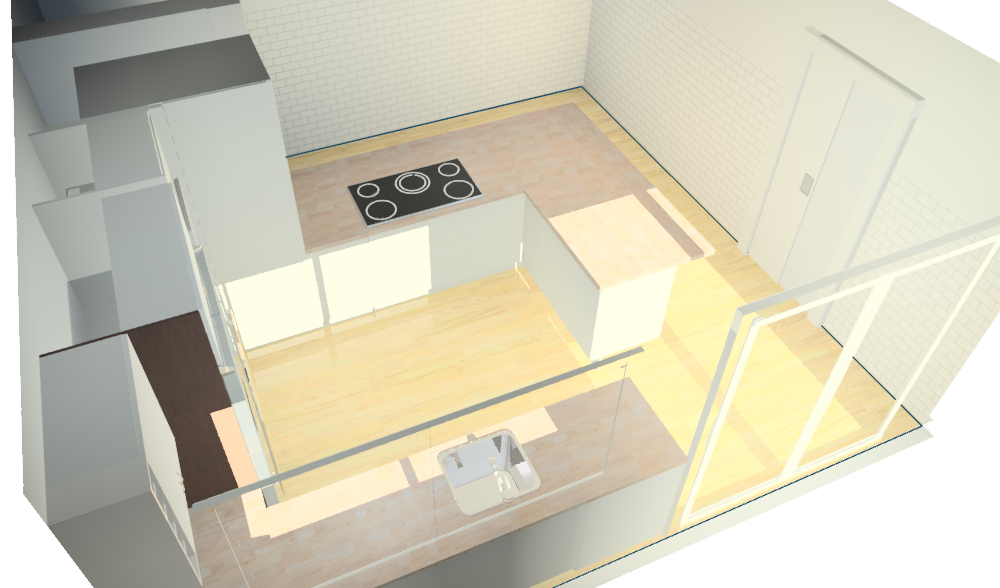
 ... and an island layout.
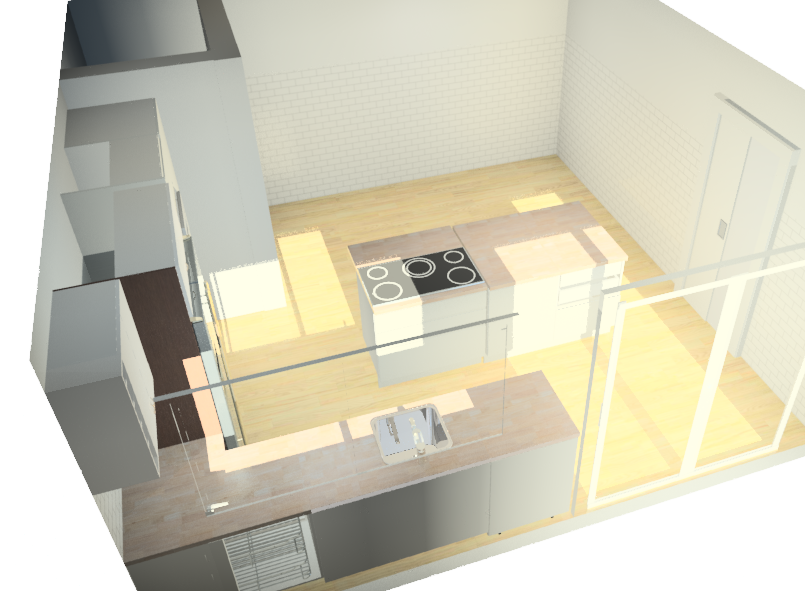
 We decided to go with the island option.
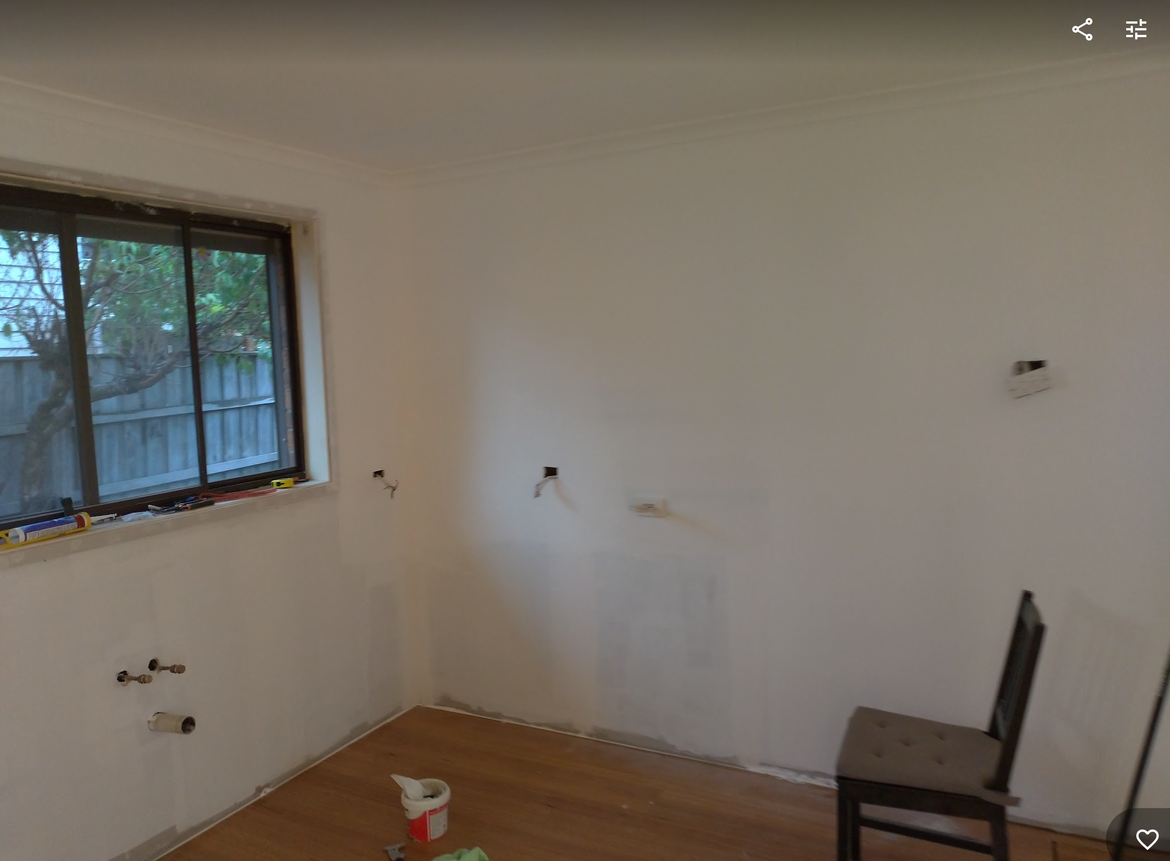
Freshly plastered, basecoated and painted walls. I didn't do a second layer of paint where the cupboards were going to hide the walls.
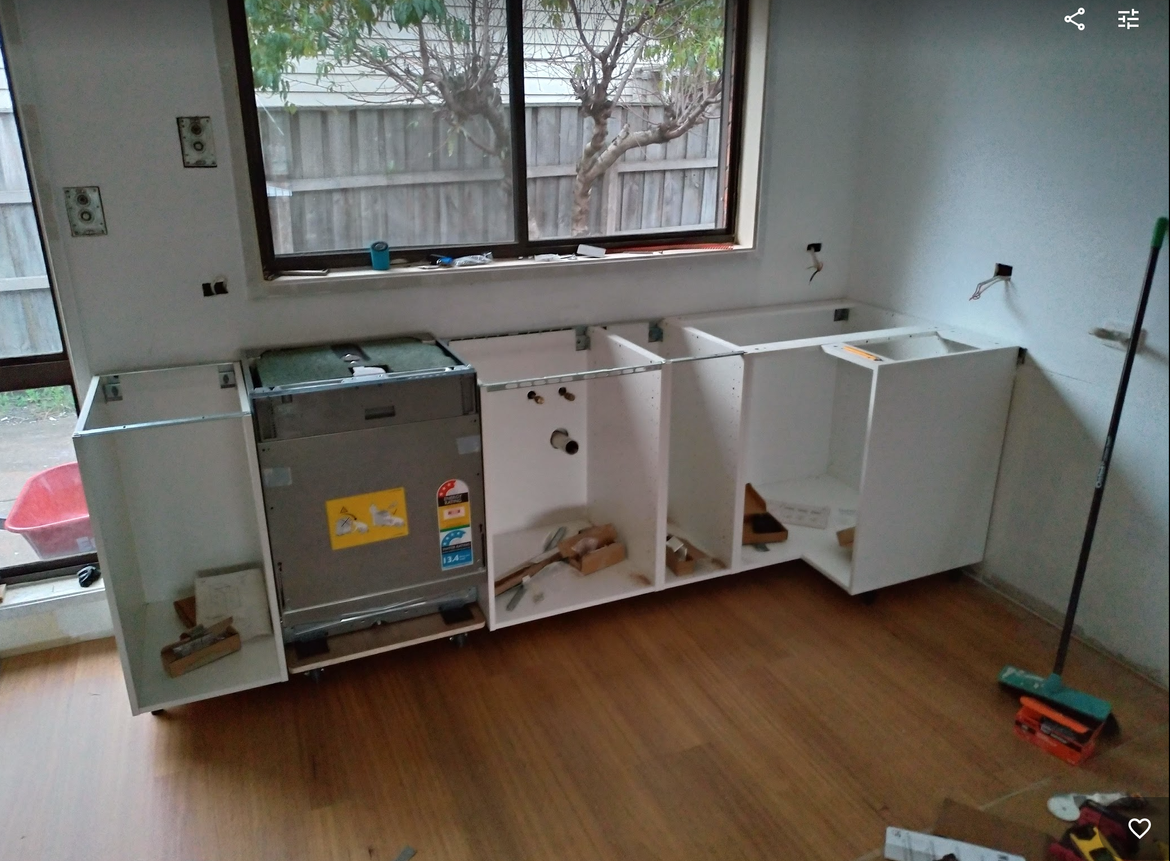
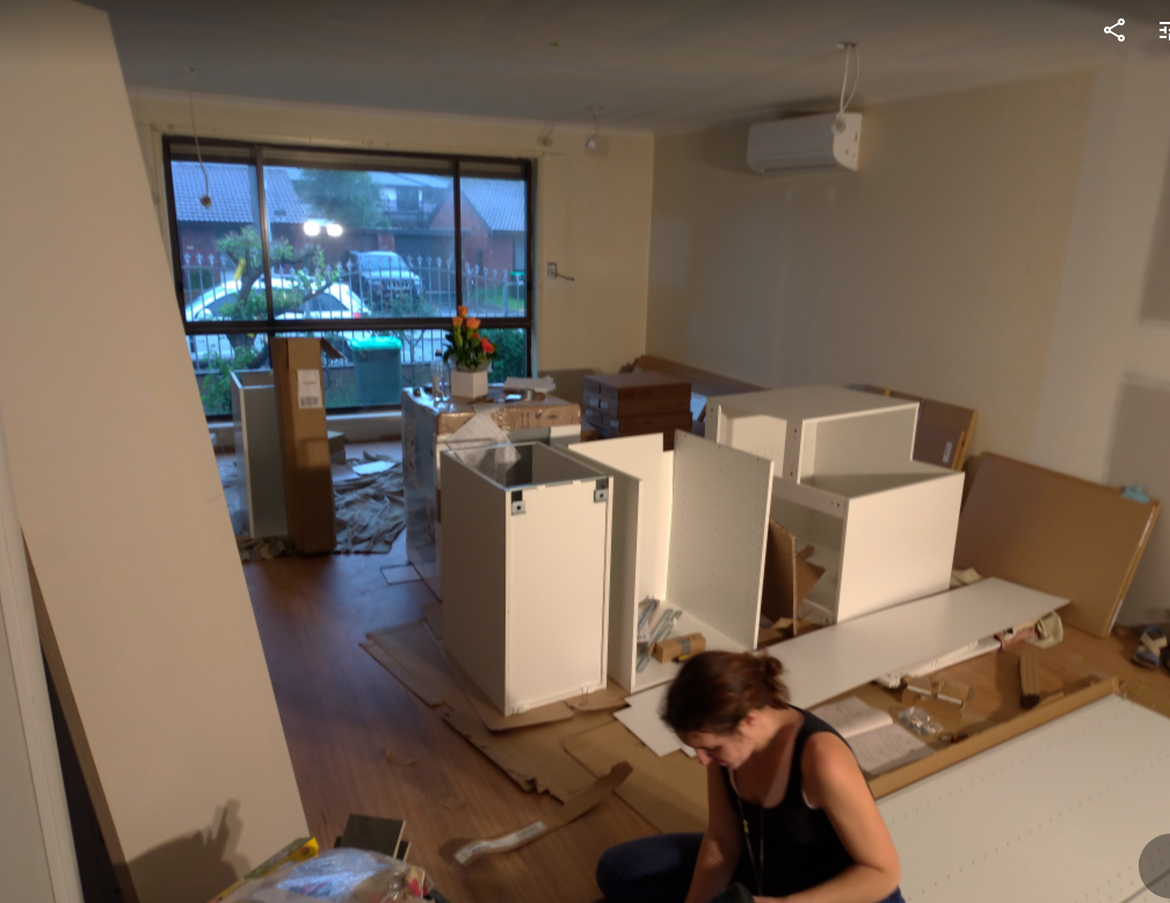
My wife putting together the cabinets.
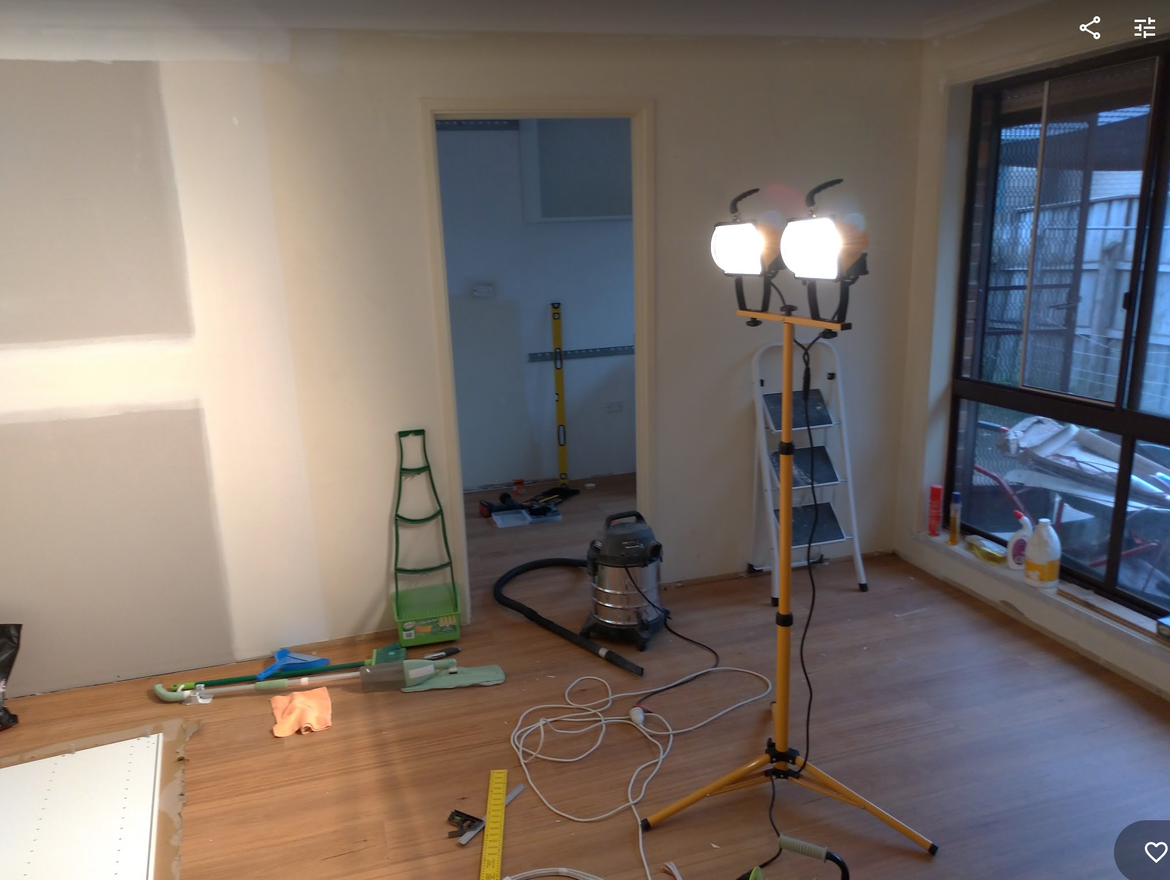
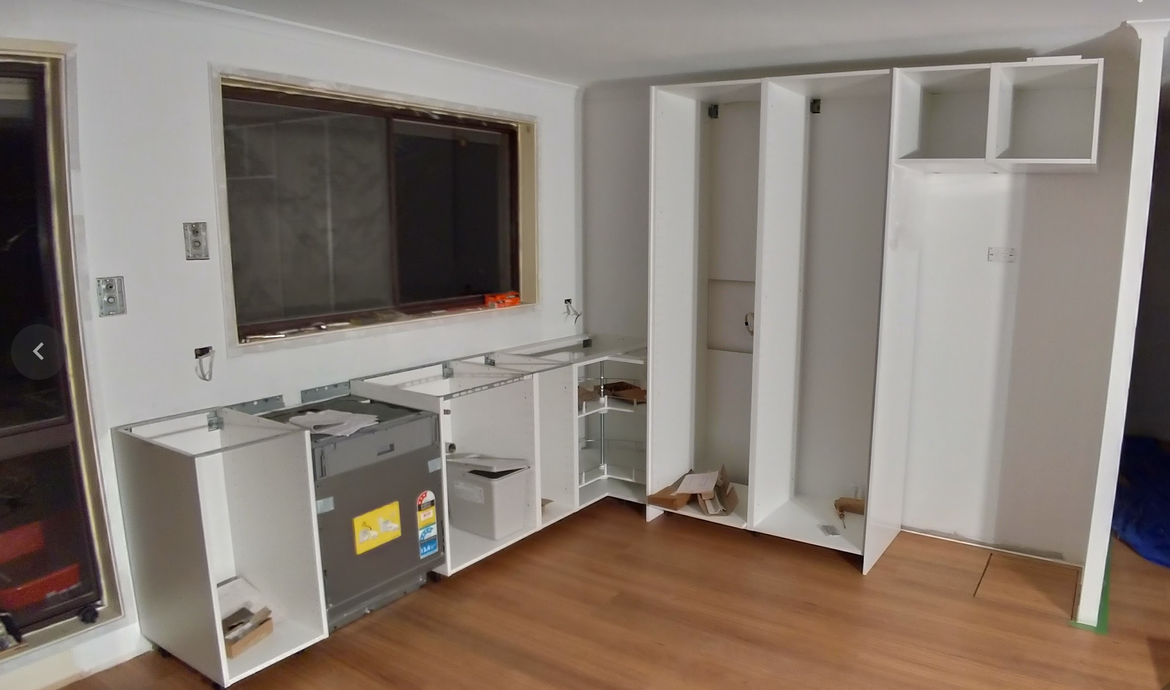
Hanging the wall cabinets

Lining up the island.
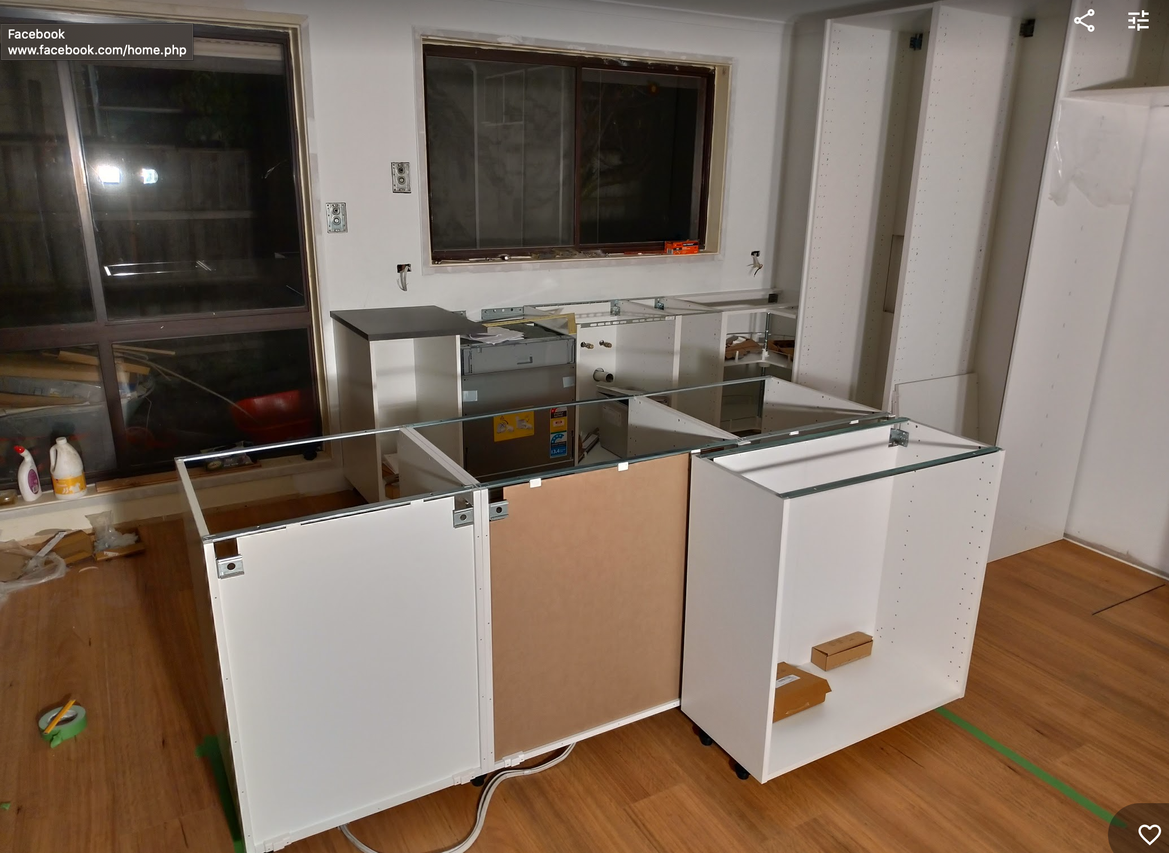
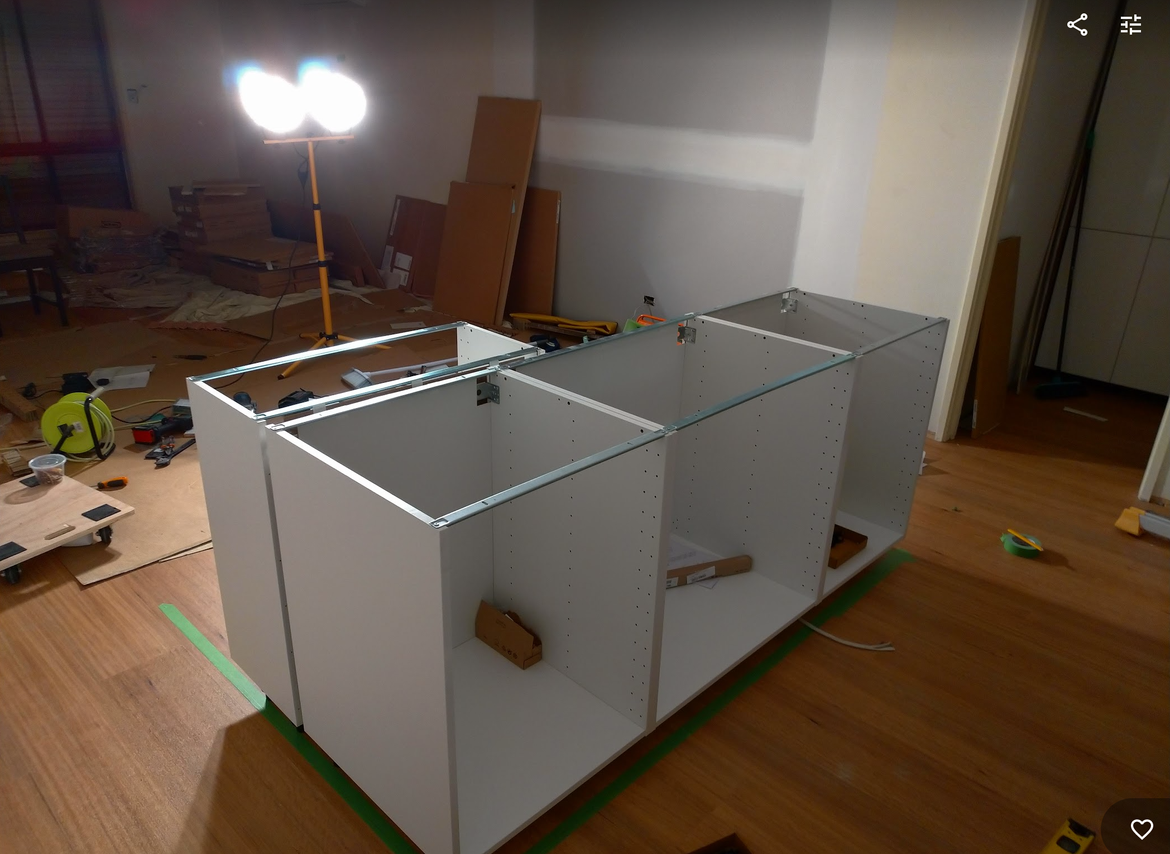
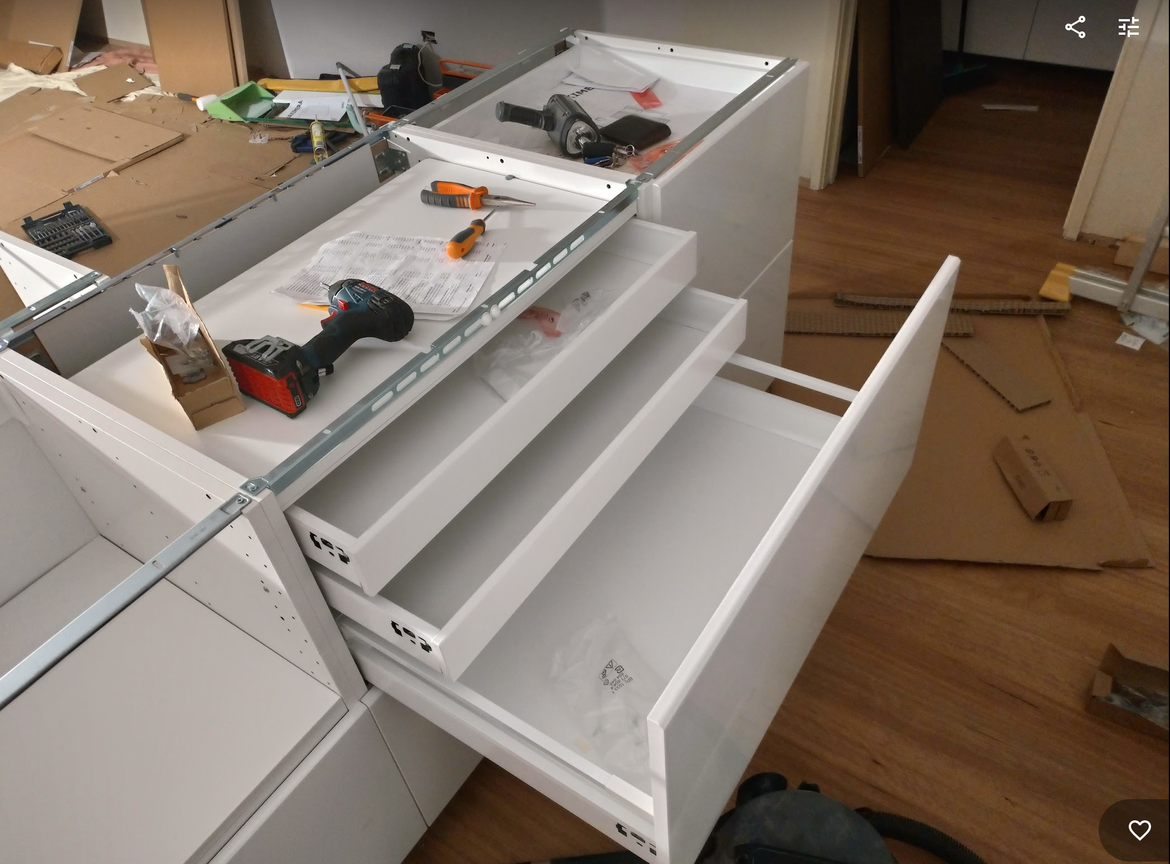
Fitting island drawers.
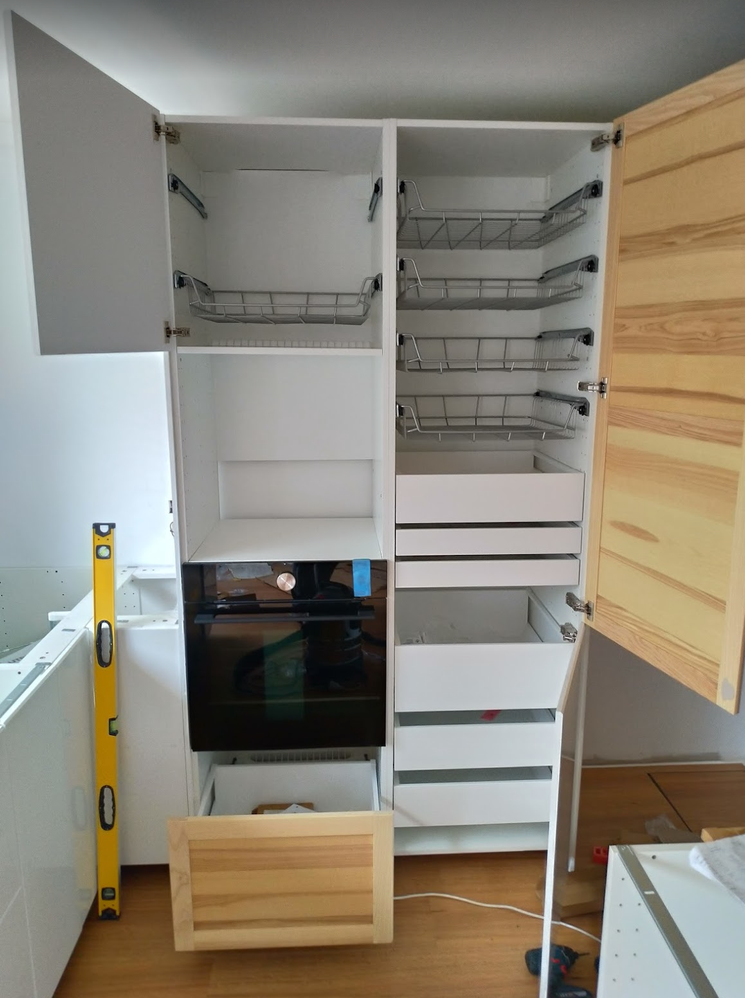
Fitting pantry drawers.
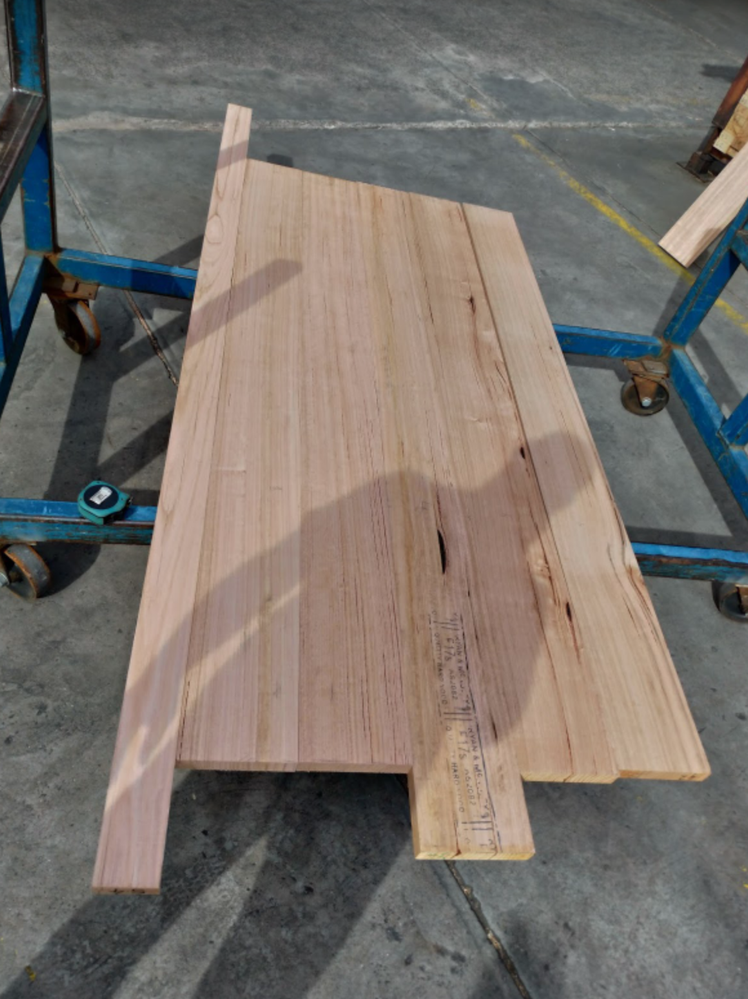
Choosing the benchtop wood. I had the benchtop custom made by a factory based on my dimensions. With no margin for error it fit perfectly!
They even dropped it off and I had them sand and seal it on the spot. What was really cool was that I got to go to the wood yard and choose the bits of timber and the order they were laminated in, so I got a benchtop exactly to my spec.
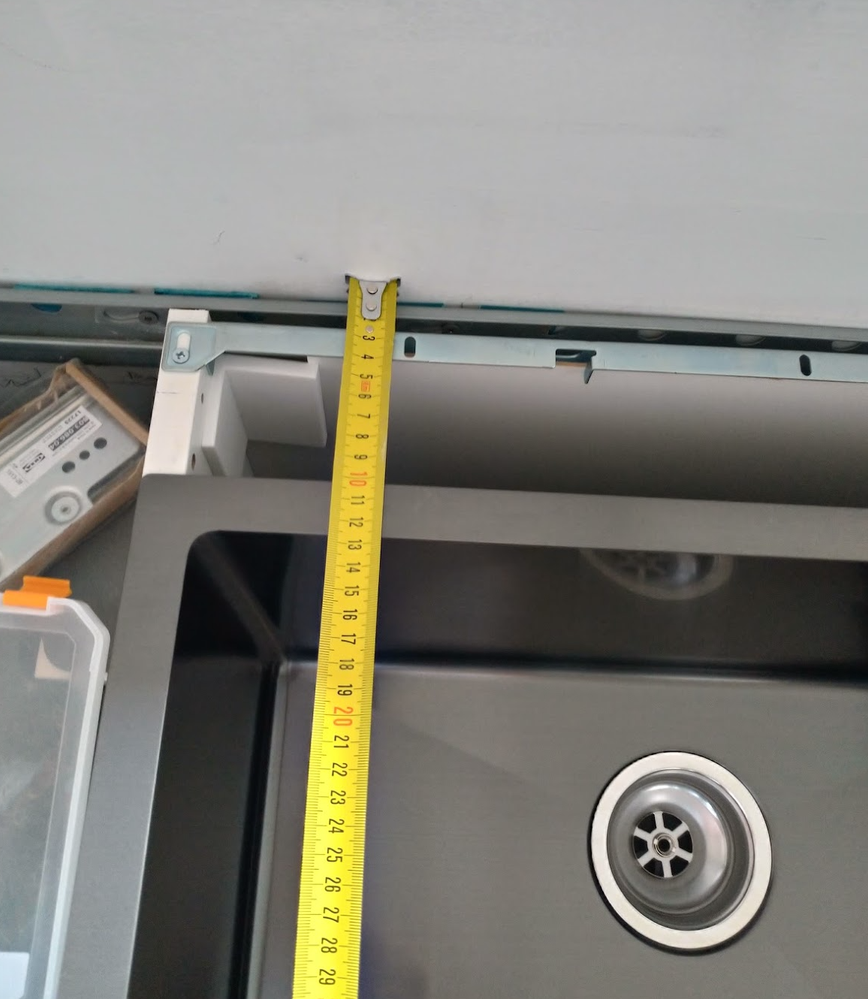
Figuring out where plumbing and drawers will go.
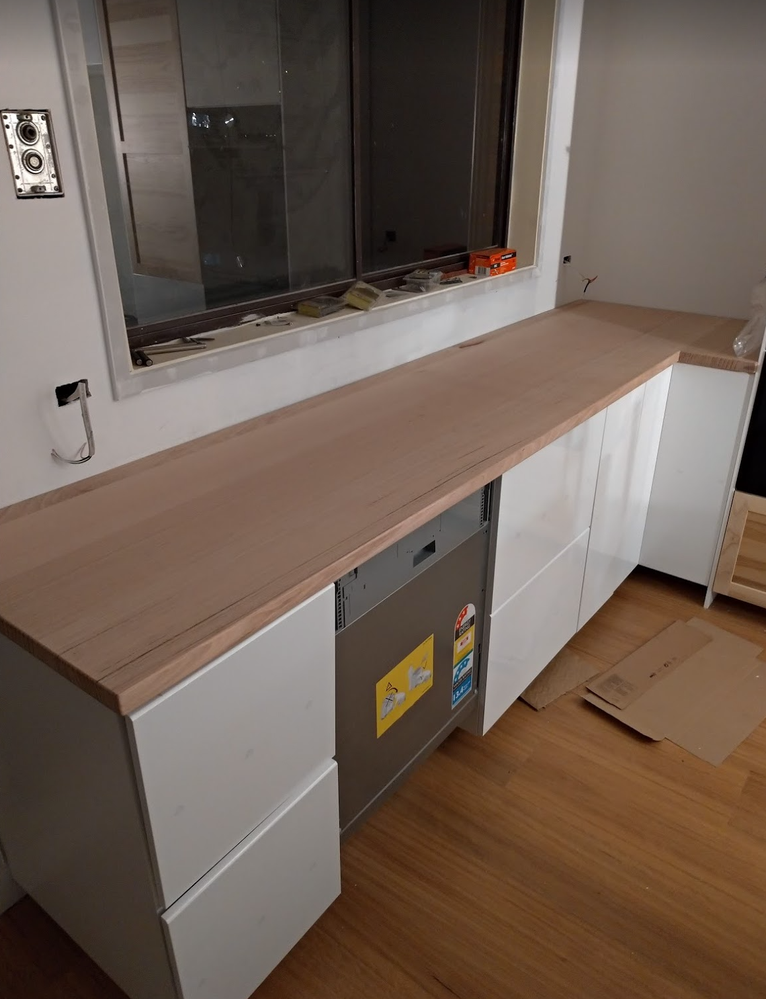
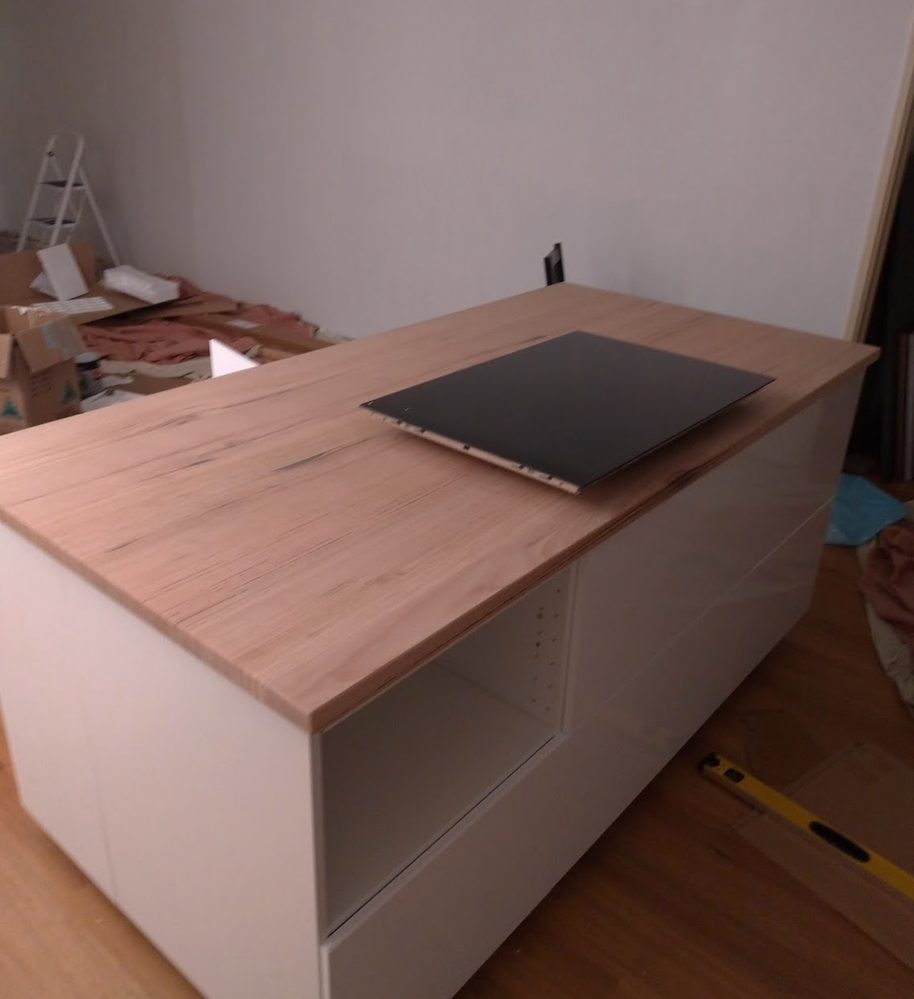
Getting the benchtop ready for cut-out.
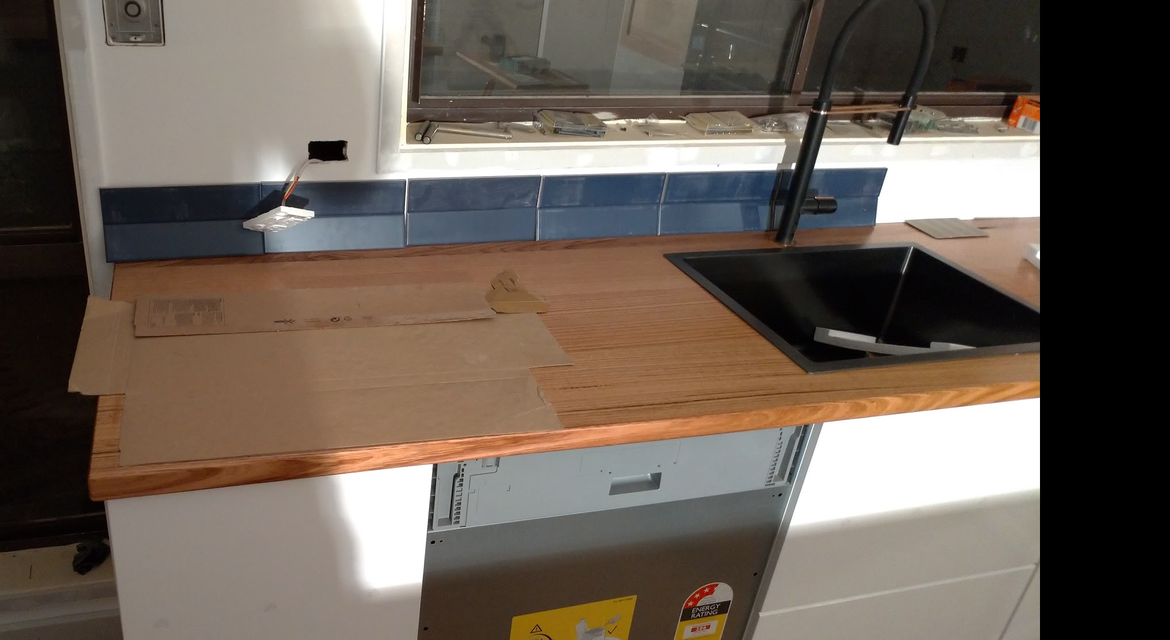
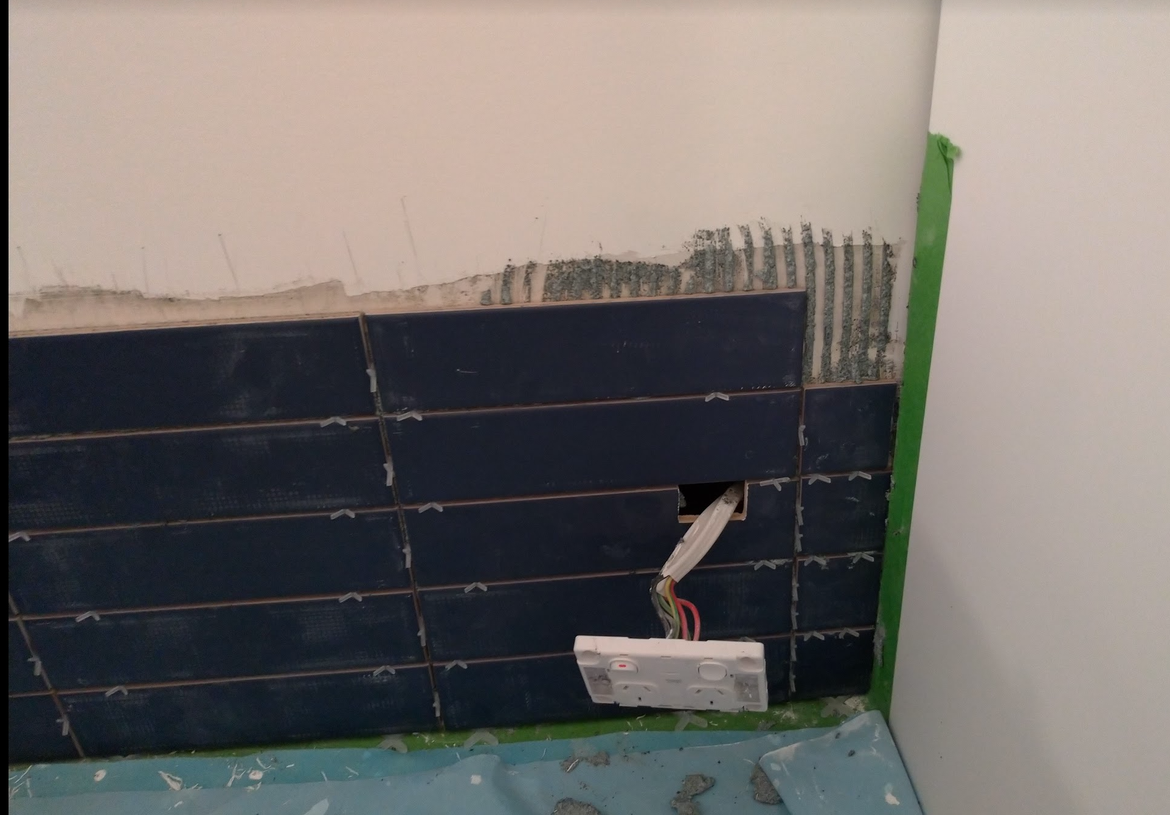
Prepping for tiles. Don't basecoat the plaster – it will prevent the tiles from adhering properly.
Tips for kitchen renovation projects
Some lessons learned along the way:
- If you sell your old kitchen you can actually charge someone to demolish it for you.
- Levelling cabinets is much harder than I thought, especially when the walls are actually wavy (you'd never know without a straight edge). They are definitely not square – there's about a 2cm difference between the top and bottom of the tall cabinets at its worst. Also, the difference changes depending where you are on the wall.
- You should not paint freshly laid plaster that you intend to tile! I just thought I'd seal it with basecoat for extra protection, then I learned that this stops the tile adhering correctly. I spent hours sanding it back and kept finding fine dust for ages.
- Installing an island is much simpler than I thought.
- Make sure you measure the width of the top, bottom and middle of tall cabinets before permanently fixing the backing on. Wood tends to bow over that length.
- Installing an oven and stove is much easier than you'd think – just make sure that you have licensed tradespeople for electrical and gas work.
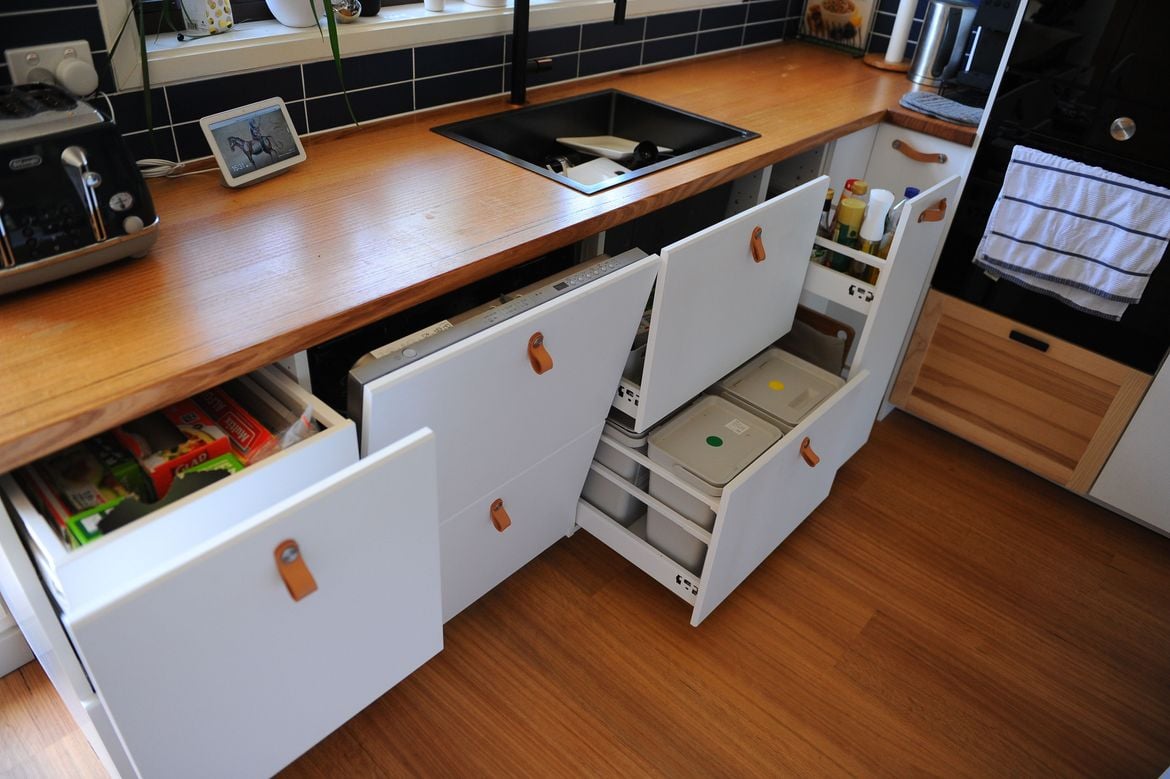
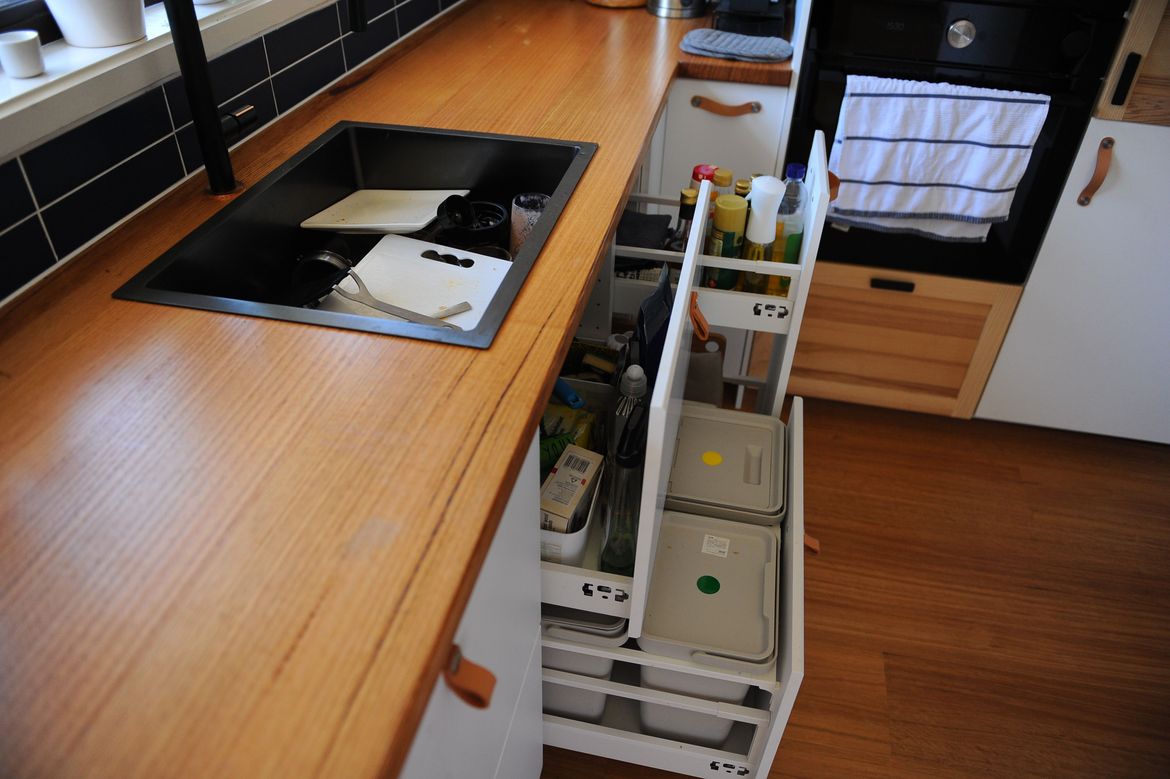
- You can cram a lot under the sink. Note the low-profile drawer I am using above the bins. It fits a bunch of flat stuff, and tall bottles right on the front. I cut out a small dent on the back of the drawer where the sink drain is.
- Beginners will struggle with the Dunlop rubber-based ready-made tile adhesive. You will get it everywhere, and it's hard to remove once dried – especially when you're trying to clean up the spaces in between the tiles before grouting. It's easier to use a mastic or cement-based tile adhesive – you can scrape it off relatively easily with a scraper.
- Get funky with your designs. The beauty of flat packs is that if you don't like the doors, or get bored of them, you can easily change them. Kaboodle has an amazing range.
- Cover panels get very expensive very quickly when you deviate from the base colours. Try make your own. MDF wood is great, except near a sink. Remember to use suitable screws so they don't just chew up your MDF. Alternatively, think about using marine plywood for a upmarket wood finish if your benchtop is stone or laminate.
- All in all, installing a kitchen overall is much easier than you think! We did the entire thing (except for electrical and benchtops) in three to four days.
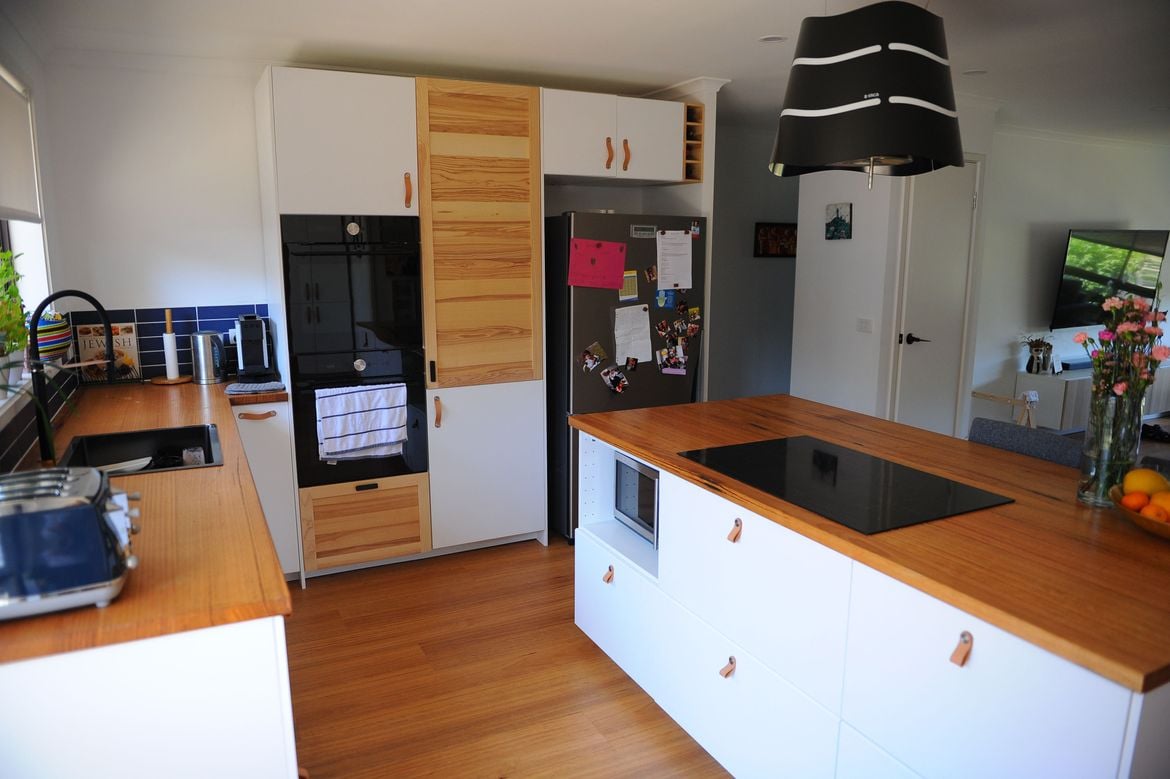
I'm quite proud that I did the whole kitchen myself. The only thing I didn't do was replace the plaster once we tore out the old kitchen (I would have done that too but we already had a plasterer in the house for another part of our renovations).
I ended up measuring and picking the cabinets myself, choosing the colours with my wife.
The blue cover panel on the front of the island is custom, made from some 9mm MDF cut to size, a spray-paint primer and enamel spray paint from Bunnings. The spray paint gave it a mirror finish!
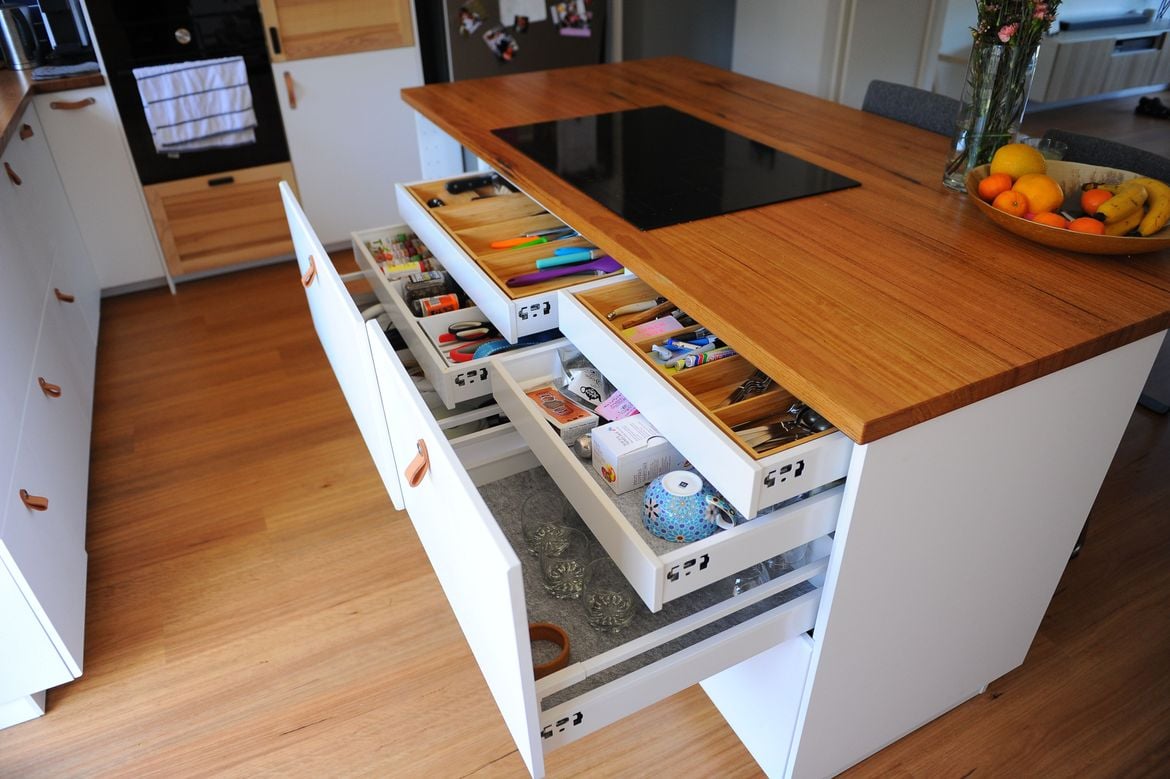
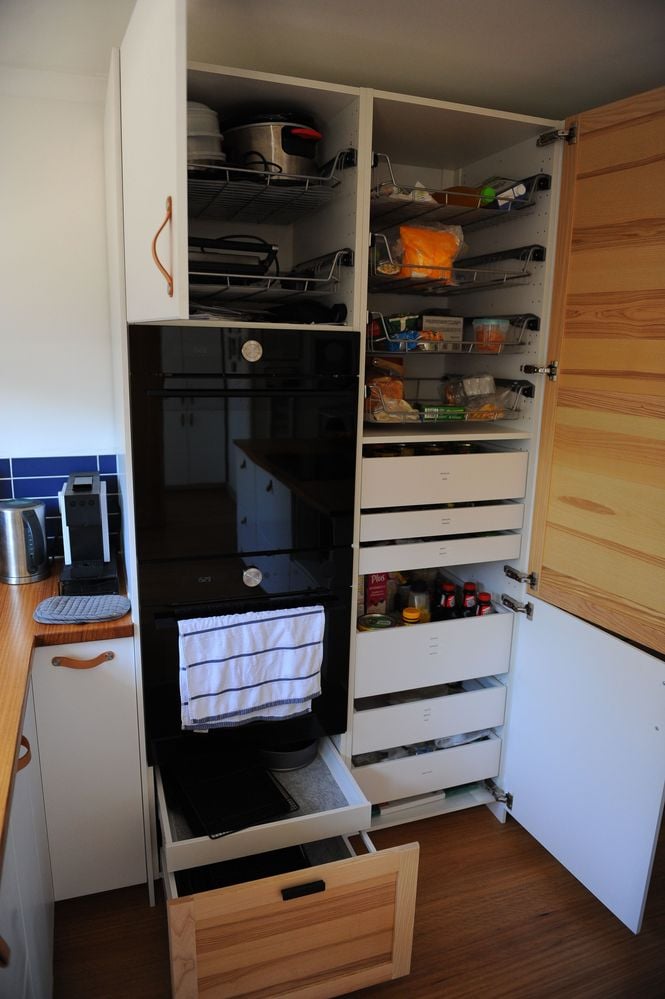
We wanted lots of storage, so we went with a variety of internal drawers and gadgets to maximise storage space. Every cupboard except the one on the front of the island has hidden or smart storage of some sort.
The hardest part of all of this was getting it square. Even now, it's not perfectly level, but the bubble is within the lines, so it should be good. I made sure the sink and oven were right, though.
Before and after
More inspiration for your kitchen
Experienced Bunnings Workshop contributor Adam_W has put together this handy guide to planning a kitchen renovation. You can also check out our Top 10 most popular kitchen projects.
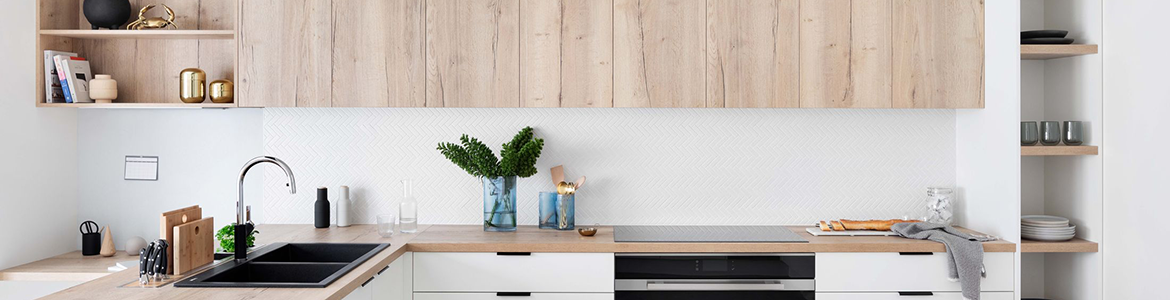
If you just need a quick kitchen refresh, check out our collection of 10 kitchens transformed with paint. You can begin transforming your own kitchen with our step-by-step video guides to painting kitchen cabinets and painting a tiled splashback.
Let us know if you need a hand with your kitchen project. We're here to help.

