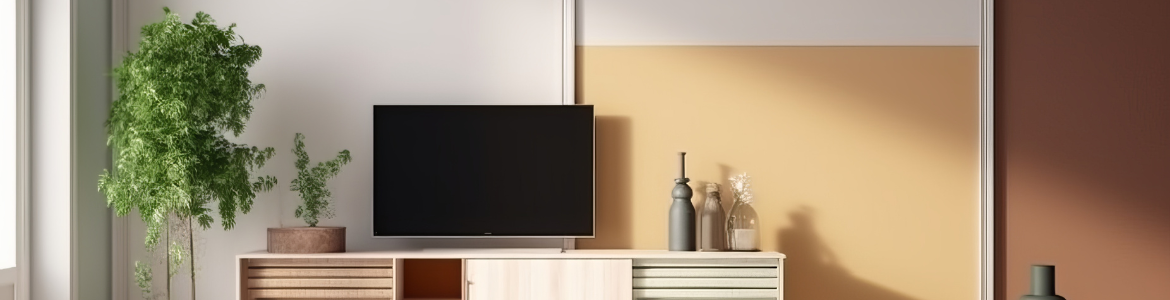
Paint can be an easy and cost-effective way to make a room look bigger. By using certain techniques and colour choices, you can create the illusion of space and openness. We asked Matt Wagner-Smith, national paint buyer at Bunnings for expert advice on how to achieve this effect.
Use light colours
Matt says using light colours is one of the most effective and common ways to make a room appear larger.
“Light colours reflect more light, creating a sense of airiness and brightness. Using light, neutral or pastel shades on walls can make a room appear more open and spacious.”
He adds that neutral and pastel palettes, including whites, creams, beiges, and light pastels, can also make a room feel more vibrant and illuminated. These colours help to eliminate shadows and create a sense of openness, giving the impression of a larger area.  Rufaro's cosmetic kitchen makeover
Cosmetic kitchen makeover by Bunnings Workshop member Rufaro (@diy_hausdesigns) is a good example of this effect. Part of the makeover involved painting the cabinets and tiled splashback in a lighter colour, which made “the space feel much bigger and brighter”.
The Bunnings guide How to choose the right white paint may come in handy for anyone planning on using light colours in their room.
Opt for similar shades
For those preferring to use darker colours in compact rooms, Matt suggests sticking to similar shades.
“Using different shades of the same colour family, such as various tones of blues, greens, or greys, can also create a cohesive and expansive feel.”
These cool tones, in fact, can aid in creating the illusion of depth and distance as they tend to give walls a receding effect, making them appear further away.
“Colours like light blues, soft greens, and pale purples tend to recede visually, giving an impression of more space,” he explains.
Think about the room's overall colour scheme
Matt says it is also key to take into account the overall colour scheme of the room and ensure all colours work in harmony. Complementary room colours can give the room a sense of continuity and spaciousness.
“Consider the overall colour scheme and coordination with other elements in the room, such as furniture, flooring, and accessories. Harmonious colour combinations can enhance the perception of space.”
Popular with the Workshop community, community member @LaCasaDIY's renovated outdoor area demonstrates how colours can work harmoniously. This Mediterranean-inspired makeover involves pairing an all-white palette with several wooden and textured elements to make the space brighter and more inviting.  Workshop member LaCasaDIY's outdoor entertaining area
While it’s tempting to go for trending paint colours when choosing a colour scheme, Matt says it’s important to prioritise your specific needs.
“Keep in mind that trends come and go. It's important to choose paint colours and techniques that align with your personal style and preferences while considering the unique characteristics of your space.”
Common painting mistakes
When asked about some of the most common mistakes people make when painting rooms, Matt emphasises the importance of knowing the type of surface you are working with.
“It’s common to use the wrong type of paint for your specific surface, leading to issues like peeling or cracking. Many people also fail to properly prepare their surfaces before painting, resulting in a less-than-desirable finish.”
For tips on avoiding these mistakes, check out the guides How to choose the right paint for the job and How to paint like a professional shared by experienced Bunnings Workshop members.
More painting advice and inspiration
The Bunnings team has also shared several guides on painting, including How to prepare a wall for painting and 8 designer tricks for using bold colour in your home.
For more inspiration, visit Top 10 most popular painting projects and 10 ways to make a room look bigger.
The Bunnings Workshop community can help if you need more assistance with painting your home. Don’t hesitate to ask a question.