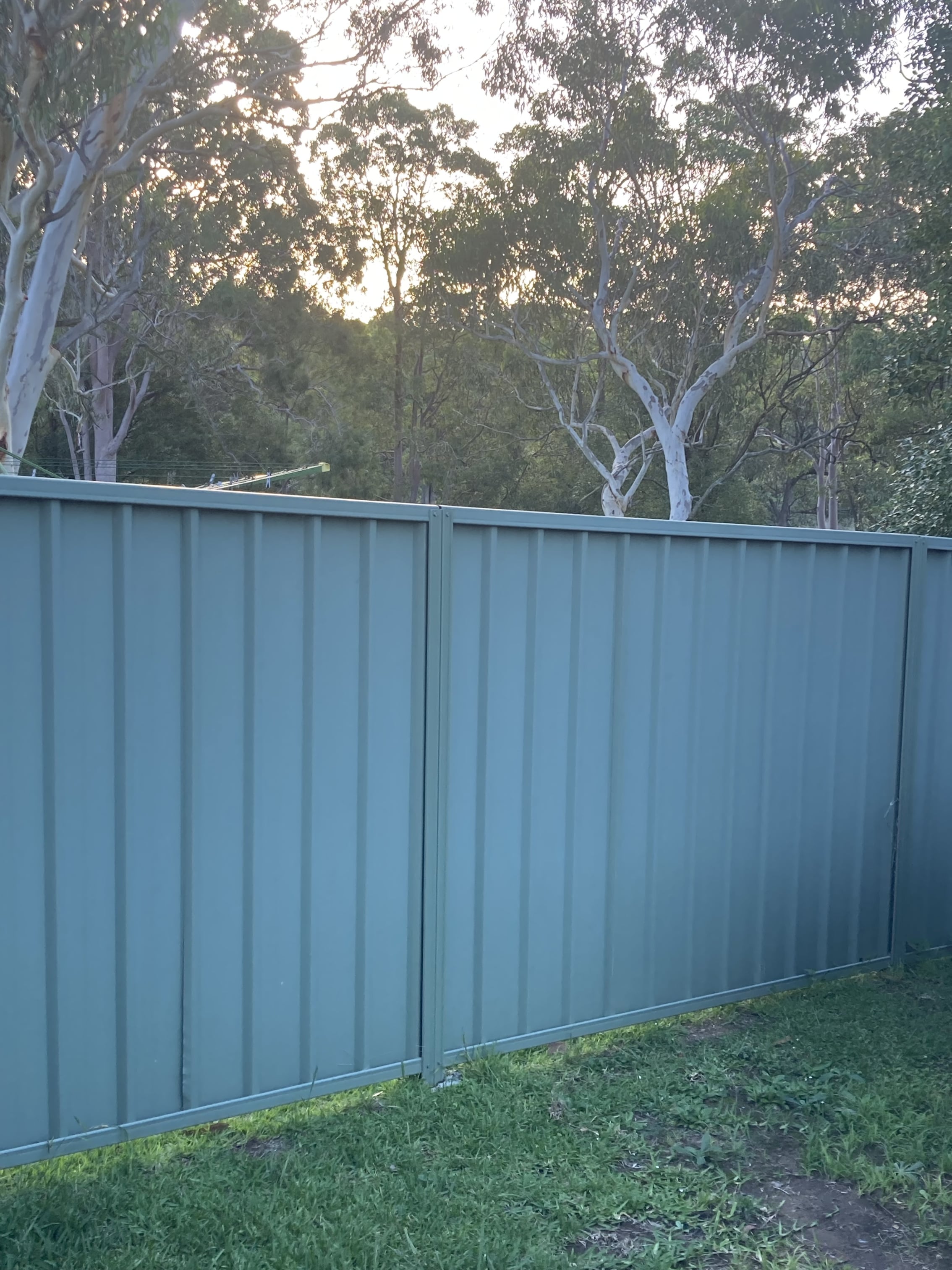
Hey there, I’m wanting to put garden beds around the outside of my yard along the colourbond fence.
I know I can’t put dirt up against the fence so it won’t rust. I was hoping for it to be ground level not a raised garden bed.
I’m in a termite prone area so prefer to avoid wood sleepers if possible. The ground is very clay heavy not sure if that matters. I moved in 8 months ago and some parts of the fence have rust and bricks.
From my googling so far I need to put some kind of barrier between the fence and the garden bed, then and edge on the outer side of the garden bed. How far off the fence would be wise? Do I just leave the dirt as is there? I’ve read some suggestions of gravel for drainage? Is that necessary?
Very new to DIY so please dumb it right down for me or if you can suggest YouTube videos even better!
Hello @__DIYNewbie
Welcome to the Bunnings Workshop community. It's sensational to have you join us and thanks for sharing your question about building a garden bed near your fence.
You’re on the right track. With a Colourbond fence you shouldn’t have soil sitting directly against the steel, as constant moisture and trapped debris will accelerate rust. A simple and effective approach is to keep the garden bed slightly off the fence and install a narrow drainage strip between the soil and the fence line. Leaving a gap of around 75–150 mm is usually a good balance. This space can be filled with free-draining gravel, which helps prevent moisture build-up, keeps soil from touching the fence, and also makes it easier to inspect for termites or rust over time. The gravel isn’t strictly mandatory, but in heavy clay soils it’s strongly recommended because clay holds water and can keep the fence base damp for long periods.
In regards to the bricks lining the fence, I suggest adding more to cover the gap especially if you have pets that love to dig in the soil. This also prevents anything from coming through from the other side of the fence.
Since your soil is clay heavy, that definitely matters. Clay tends to compact, drain poorly, and can become rock hard when dry, which makes it difficult for roots to establish. You can plant directly into clay, but it needs to be conditioned first. This usually involves incorporating gypsum to help break up the structure, then digging in plenty of compost, organic matter, and a quality garden soil through at least the top 200–300 mm. This process isn’t instant. It typically takes a few months for noticeable improvement, and realistically one full growing season (around 6–12 months) before the soil becomes consistently workable and plant-friendly. During that time, roots slowly open up the soil and organic matter continues to improve drainage and structure.
If the clay is very dense or you notice water sitting after rain, a low-profile raised garden bed may actually be the better option. This doesn’t need to be tall; even 150–200 mm above ground level can dramatically improve plant performance because you’re introducing good soil above the clay rather than fighting it. Since you’re in a termite-prone area and prefer to avoid timber, you could use concrete sleepers such as the https://www.bunnings.com.au/ridgi-1-5m-x-150mm-x-50mm-smooth-grey-concrete-reinforced-sleeper_p1080302 , which are durable, termite-proof, and low profile so they still keep the garden close to ground level.
There is also the option of using plastic or metal garden edging to form a shallow retaining edge, which works well when you only need to hold back a small amount of improved soil. However, if drainage is very poor and water tends to pond along the fence line, both direct planting and low raised beds can struggle. In that situation, improving drainage first, such as with a gravel strip along the fence and lightly mounding the garden soil away from the fence, will give you the best long-term result.
Here are some fantastic guides and discussions you should find handy in preparing your garden bed:
If you need further assistance, please let us know.
Eric
Thank you Eric! I’ve been reading others questions on here too and someone did drainage with ag pipe would you recommend that? How far off the fence would you advise? And with the concrete sleepers do I do them next to the gravel drainage (fence side) and at the front? (Lawn side)
With improving the soil, are you saying improve the soil for 6-12 months before planting anything?
Adding more bricks, just in front of/on top of existing? Will this cause any issue with moisture getting trapped and rusting the fence? Is there a prettier alternative to the bricks at all?
If you decide to install agi-drainpipe, I suggest a distance of at least 150mm to 200mm depending on the size of the agi pipe. I would provide a conservative gap of 100mm between the gravel and concrete sleeper so that it will not be right next to the agi-pipes location. If the water pools near the fence line, I suggest putting the agi-pipe there. I propose placing the concrete sleepers in front of the gravel drain.
Yes, the soil will need to be improved for that amount of time (depending on the severity of the clay content), planting directly into the clay soil is not advised as the plants roots will not be able to grow through the clay and water logging is a definite possibility. This is the main reason I suggested building a slightly raised garden bed, mounded to provide a good growing base for the plants.
In regards to the bricks, I meant to suggest adding more to the sides where the gaps are in the fence. As an alternative to bricks, I propose using https://www.bunnings.com.au/icon-plastics-150mm-x-10m-slate-grey-garden-edge_p0108780 in place of the bricks. You can use https://www.bunnings.com.au/icon-plastics-280mm-slate-grey-garden-edge-peg_p0108776 to support the garden edging and keep it in place.