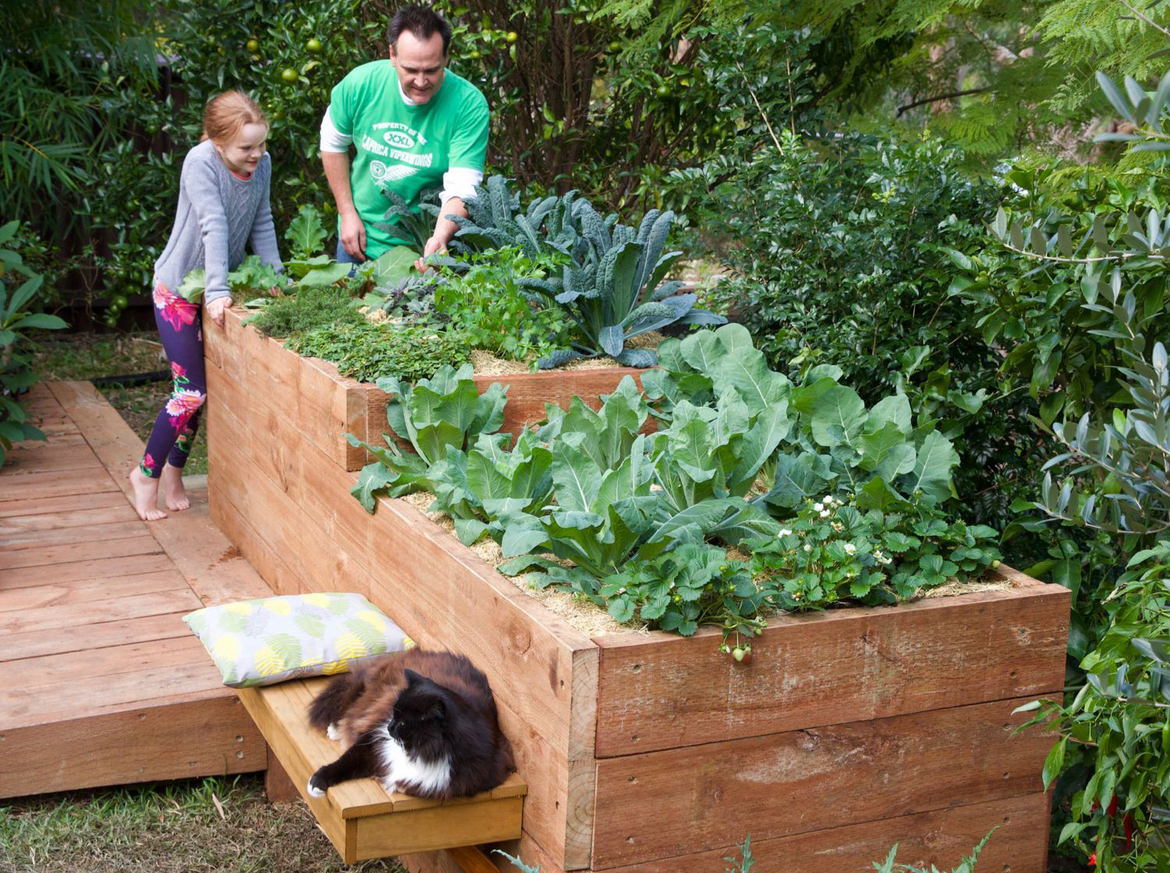
A lush vegetable garden began with the addition of organic matter to improve lifeless, sandy soil.
The project
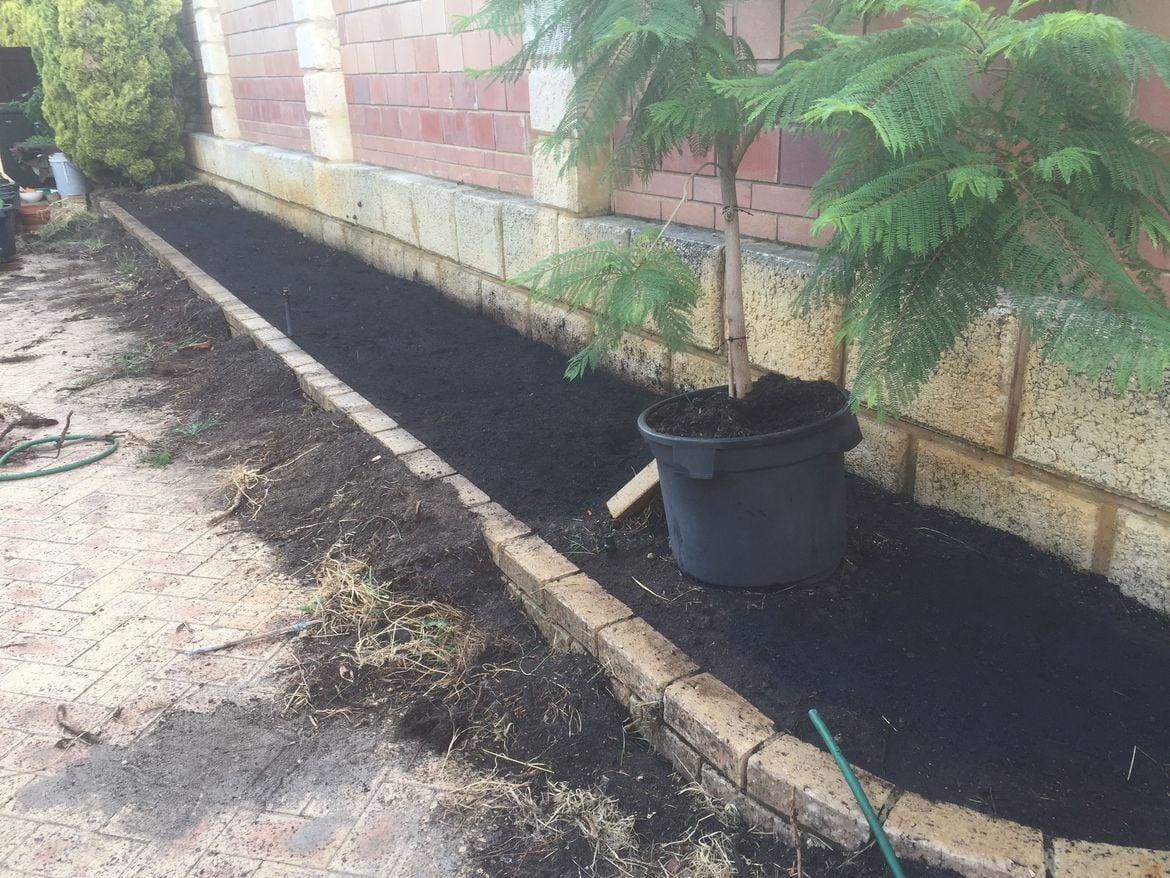
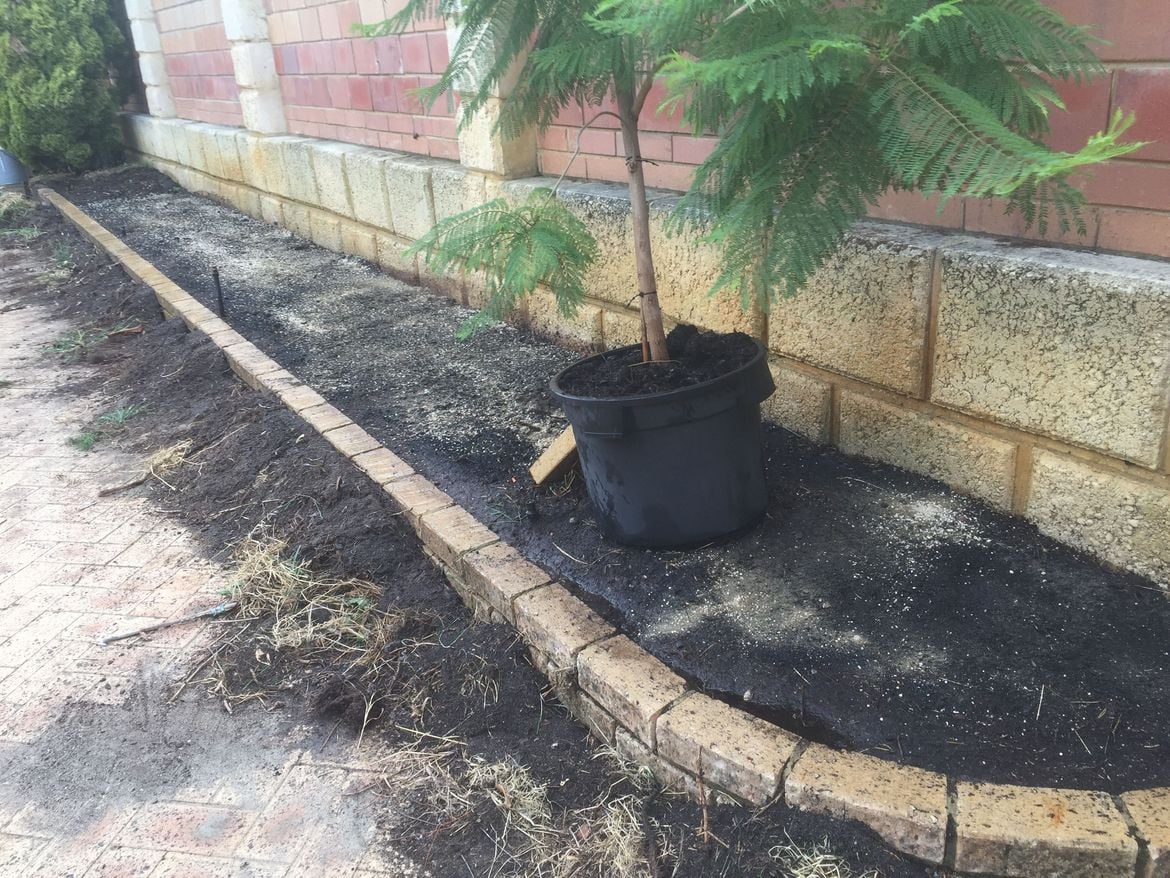
I began by removing a a couple of inches of our dreadful hydrophobic sand from the garden bed. I cultivated the sand and removed the remaining weed clumps and old dead roots from previous plants.
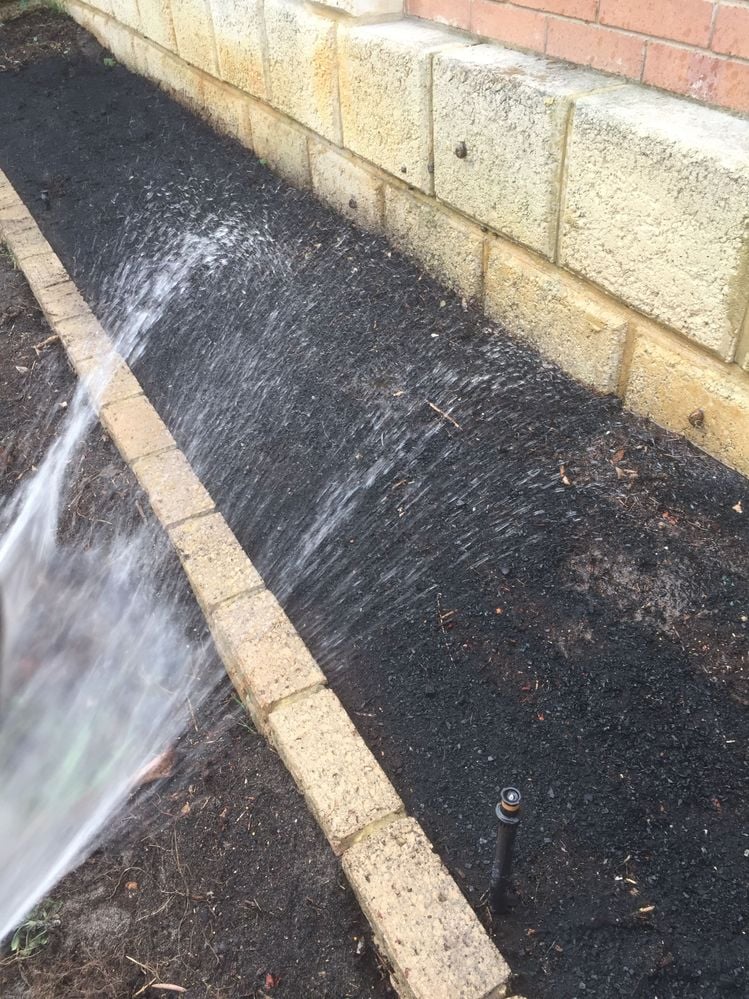
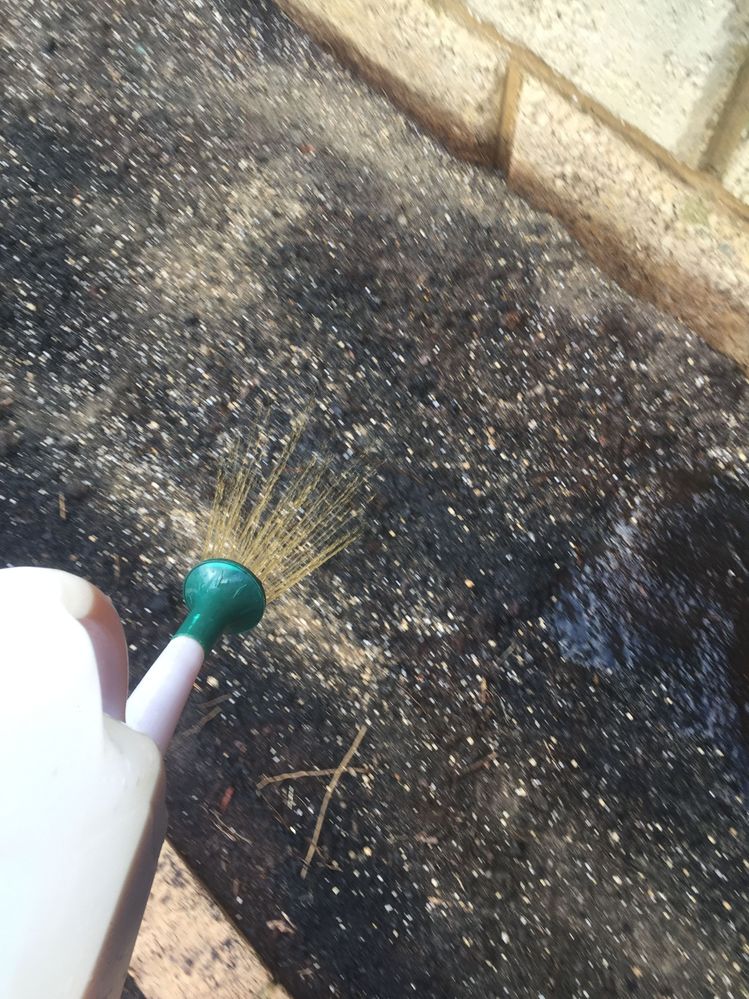
My first priority was to add a wetting agent to to help with retaining water and nutrients. I used a crushed fine charcoal that is porous with tiny holes that help hold water and nutrients and encourage healthy microbial soil activity.
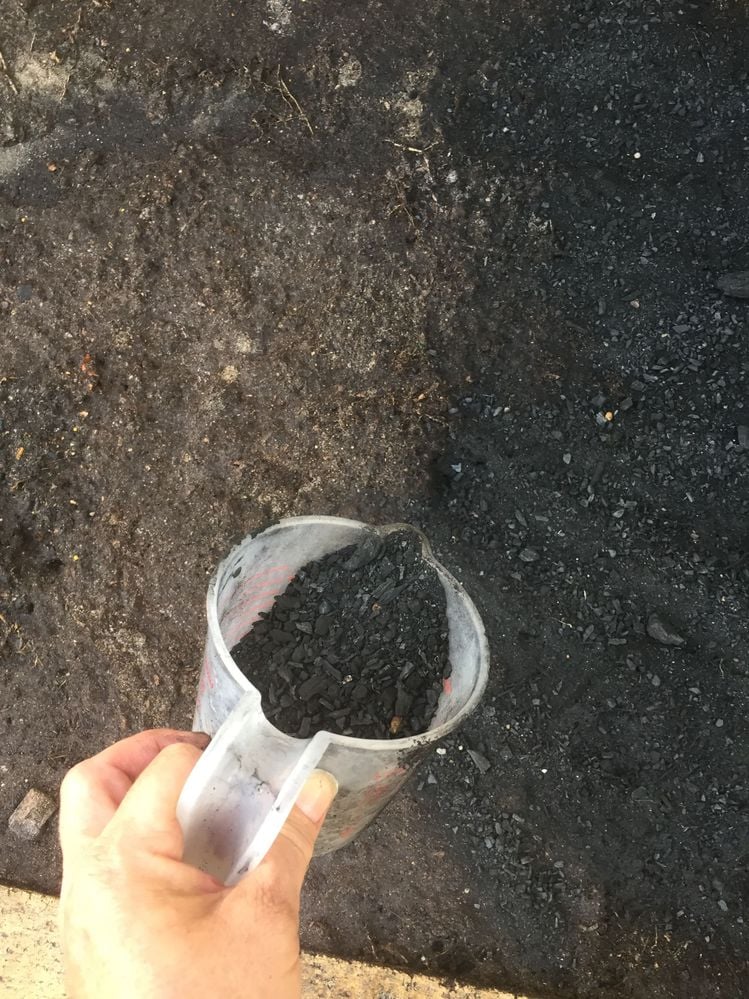
I added a light layer to the sand and watered it in. I could immediately see the water being absorbed and not running off.
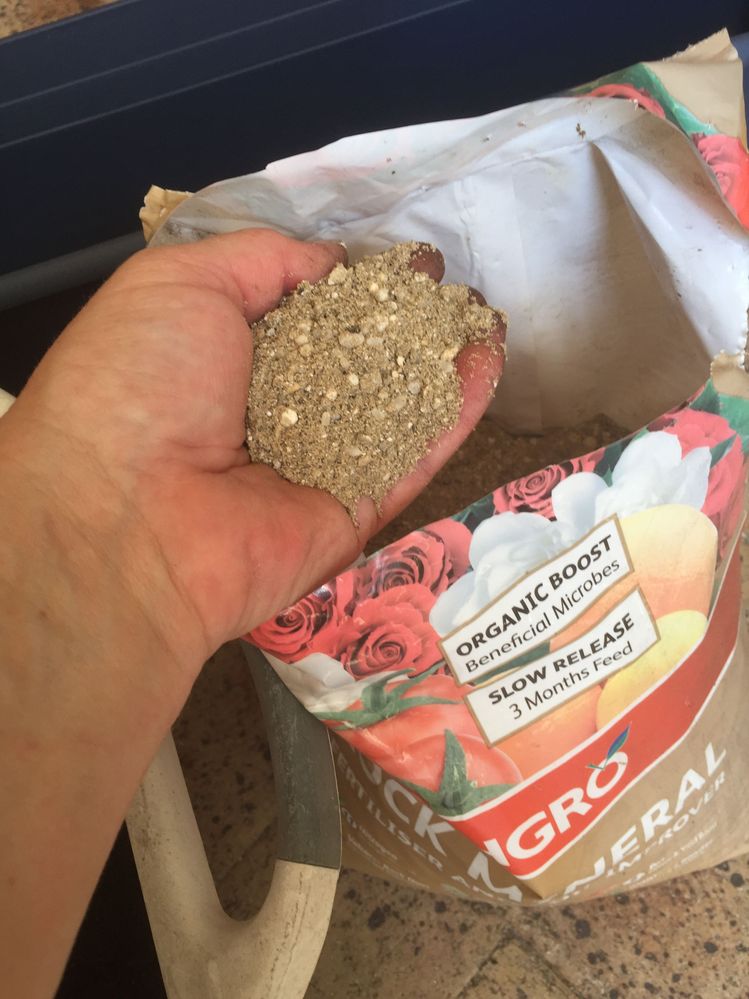
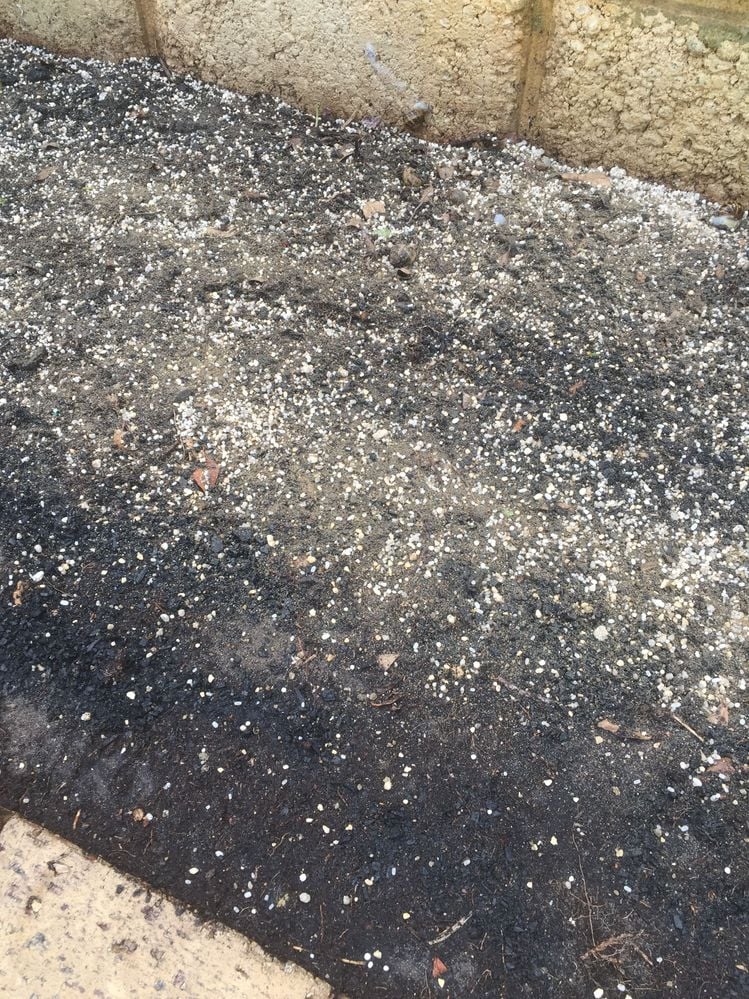
Next I added a light sprinkling of rock minerals, which are packed with trace elements that provide nutrients to the plants and increase healthy soil microbe activity, and I watered them in.
Then it was time to begin adding layers of organic material.
First was about 5cm of cereal-crop mulch, which breaks down over time into a beautiful, healthy feeding compost. Earthworms love it, and they will be a big part of this garden.
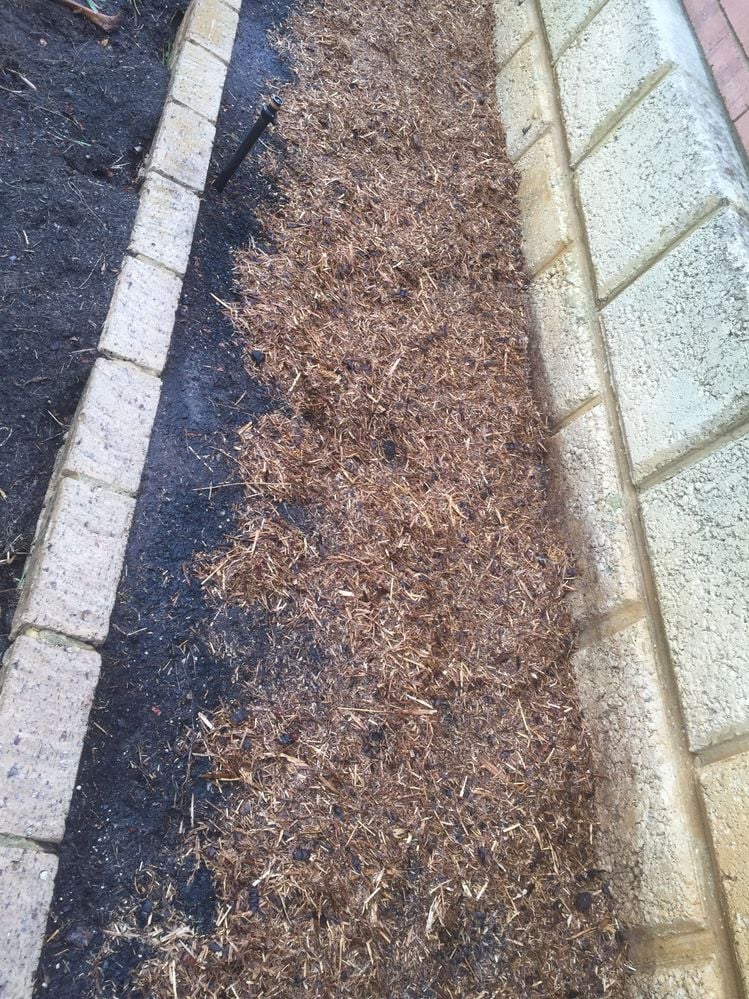
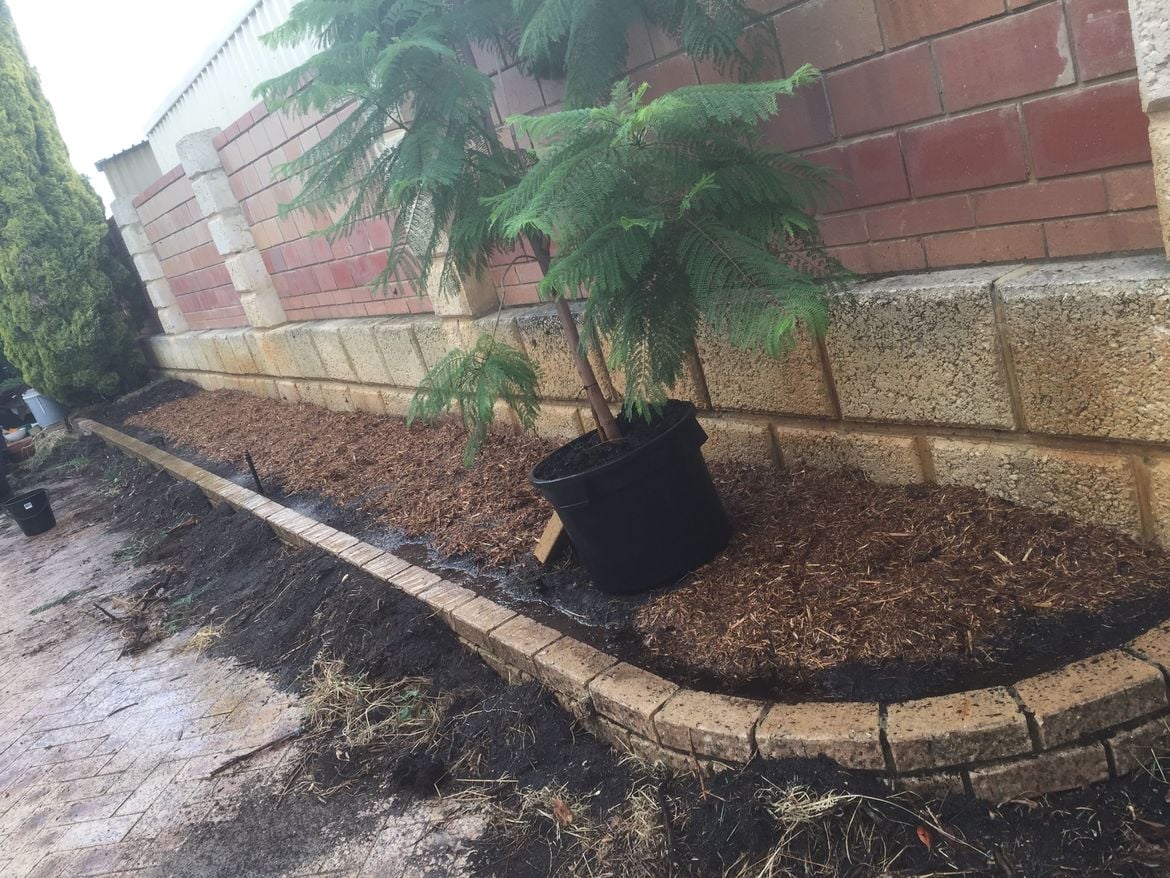
Notice that I didn't put mulch close to the edge as I built up the soil – I didn’t want it to spill over. The bed is 9m long and 90cm wide, and I used one full bale. Remember to wet the mulch when you open the bag so the dust doesn't fly everywhere.
Next came layers of cow manure and compost.

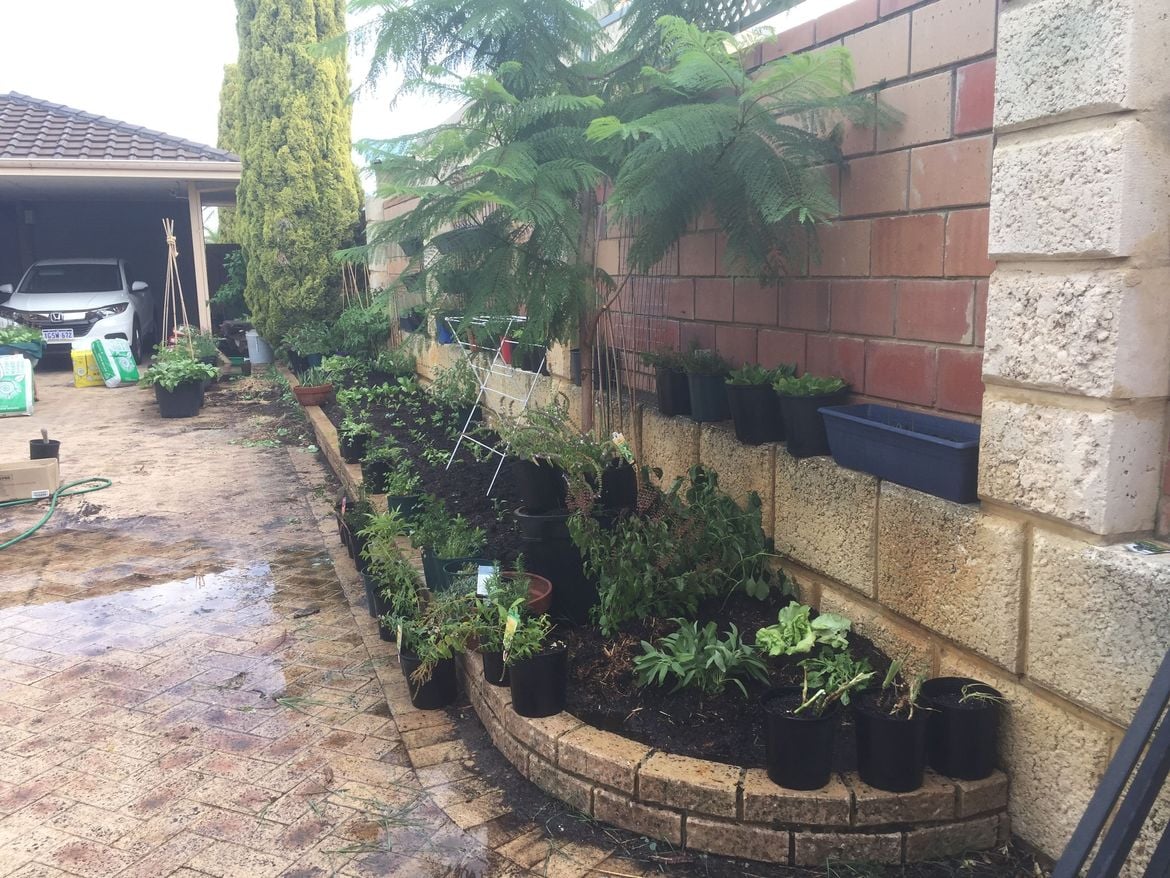
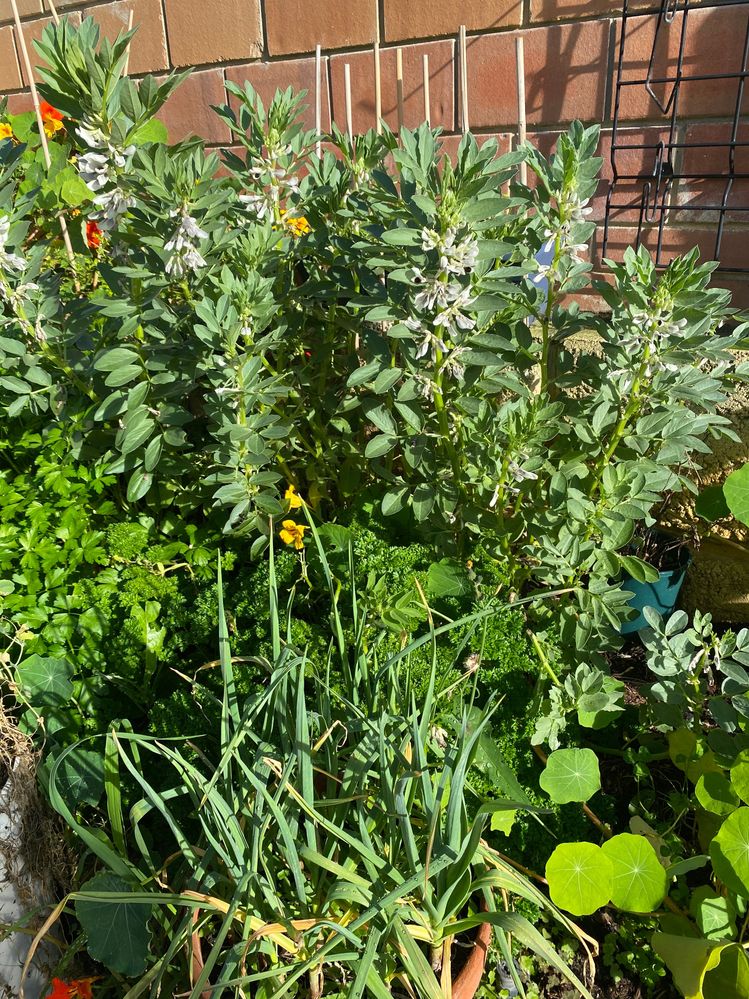
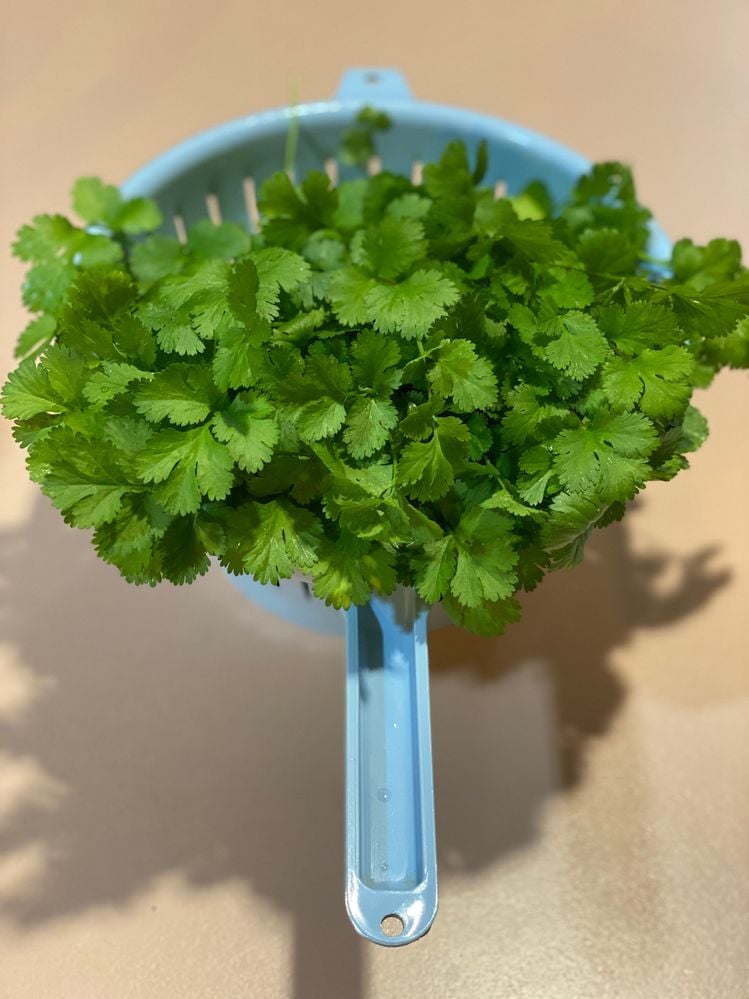
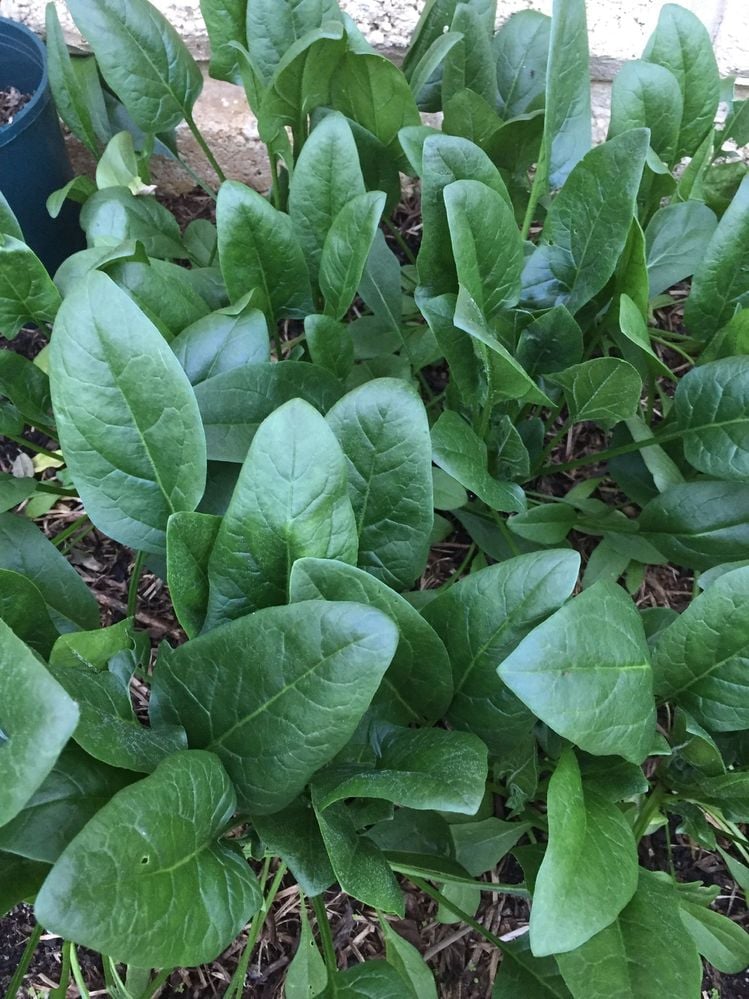
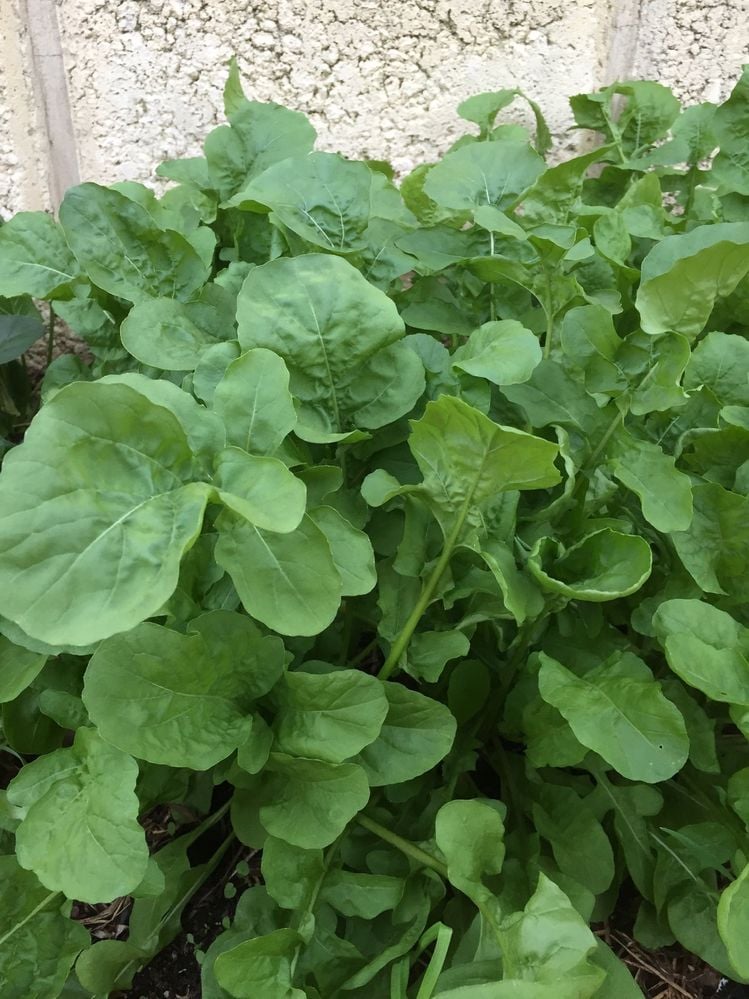
Before long we were getting a great crop of vegetables and herbs.
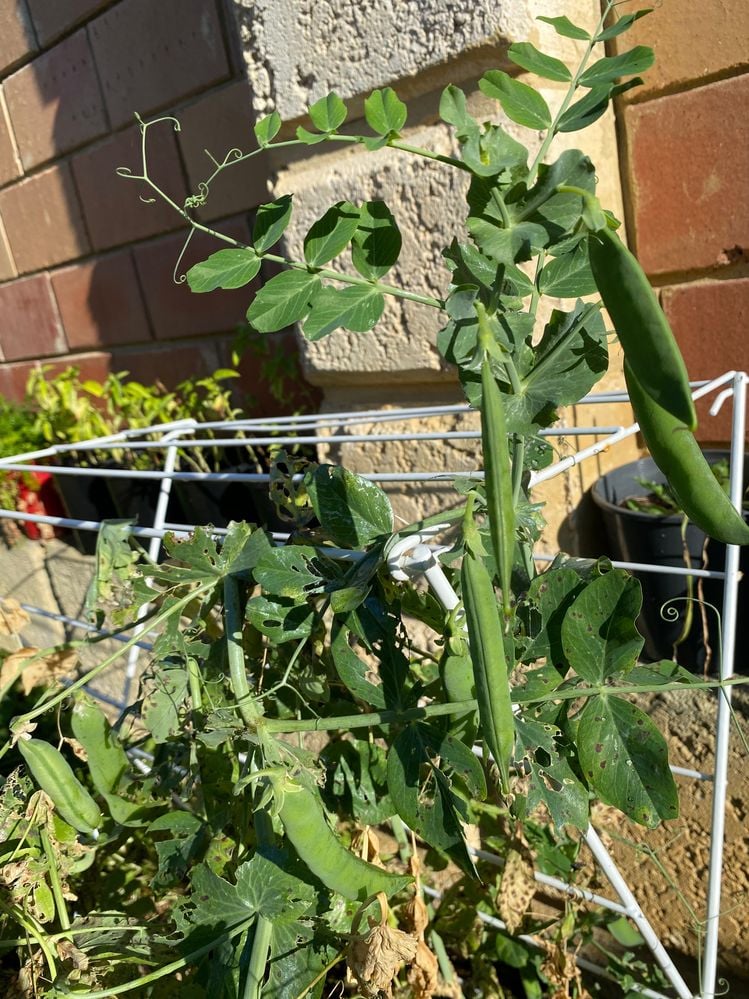
There were some pests, though. We picked off the snails and fed them to the chooks. Beer traps are also good. Place beer in shallow trays around the garden bed and snails and slugs will be attracted to the yeast and drown. Crushed eggshells and coffee grounds can also act as deterrents.
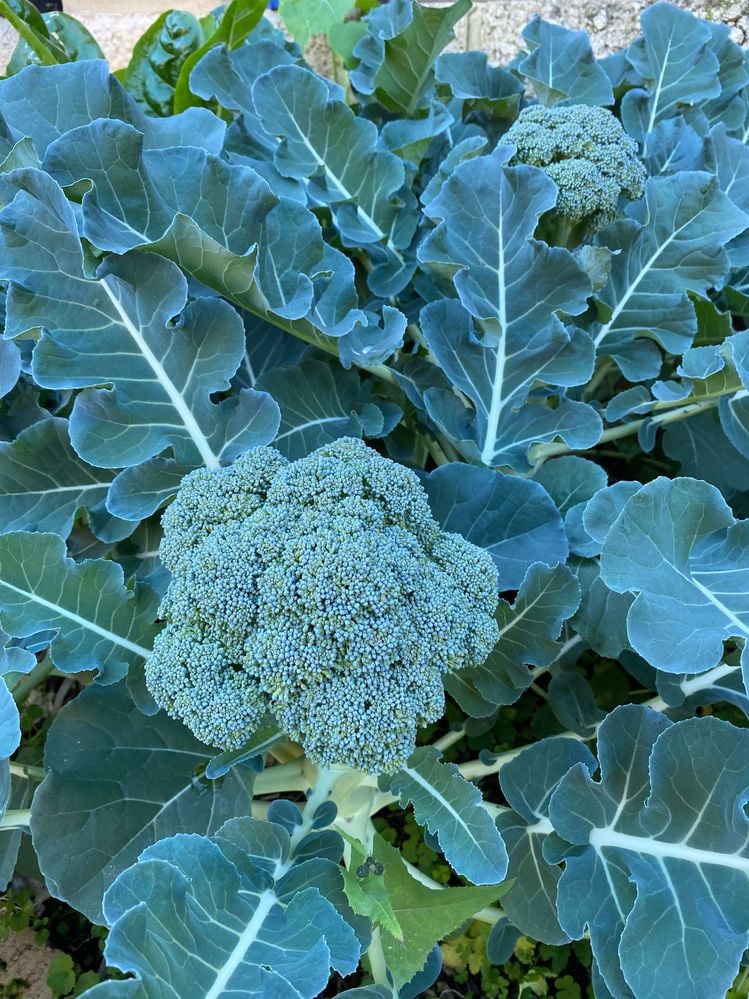
Our Brocolli was attacked by rats, so we set up a piece of PVC pipe and laid bait in it. I do not like using chemicals but the rat bait we used is a safer one that doesn’t hurt cats or dogs if they eat a baited rat.
Fuzzy black caterpillars were a pest too. I tried feeding them to the chooks but they just looked at me in disgust. Natural pesticides such as Dipel work well, though. I also like to use a molasses spray as caterpillars hate the bitter taste.
Everything starts with good soil preparation to build up organic matter and get the most out of your garden bed. It’s so enjoyable growing edibles and not using any chemicals.