Shelter plants from the harsh sun, frost and pests with this D.I.Y. hoop house that can be adapted to suit gardens of any size.
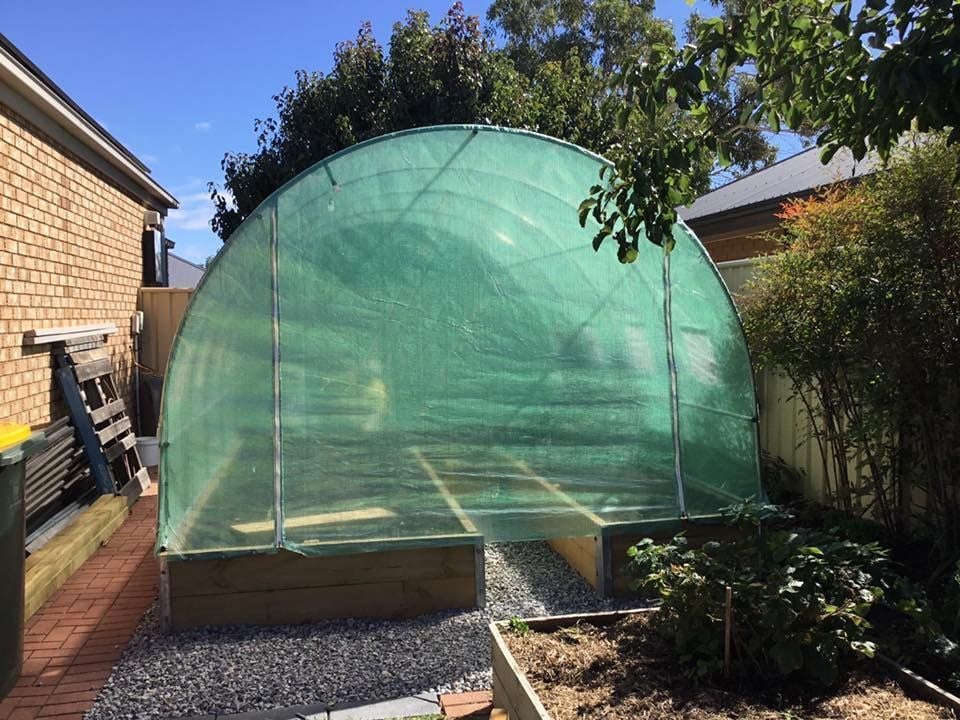
The project
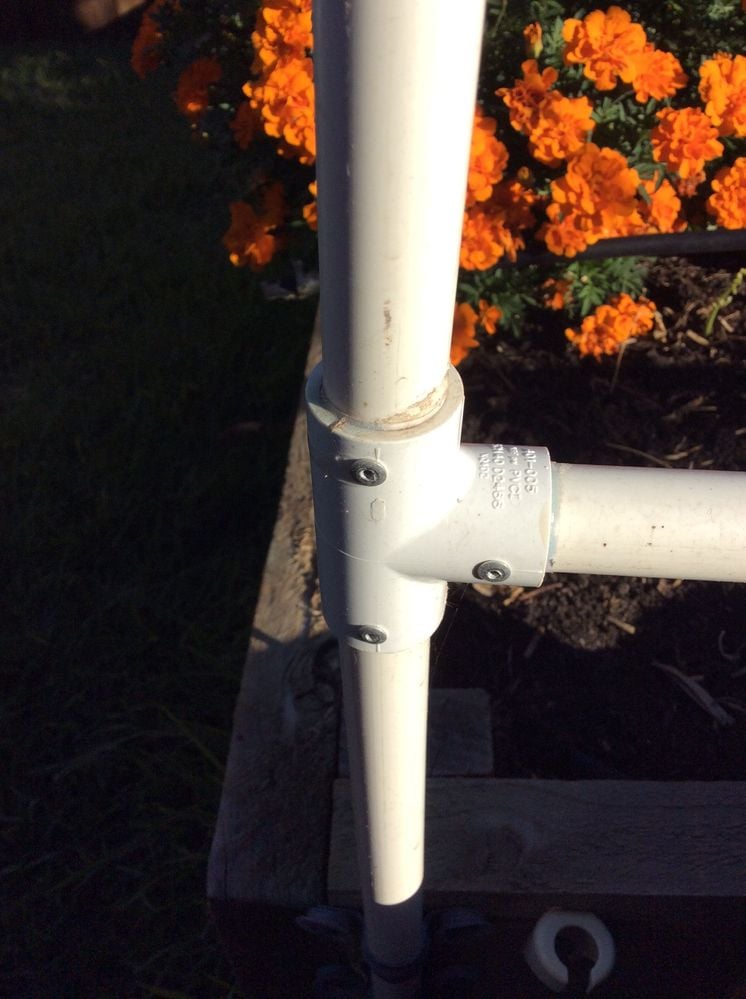
This hoop house is made from conduit lengths joined together by a cross joiner. The conduit is attached to the garden beds by saddle clips. Eyelets were inserted into the shade cloth and hemmed to run another piece of conduit for stability. The shade cloth was attached to the conduits using bungee clips with round bobbles.
The hoop house has been brilliant – our vegies are thriving, with no diseases as the wind can flow through very well.
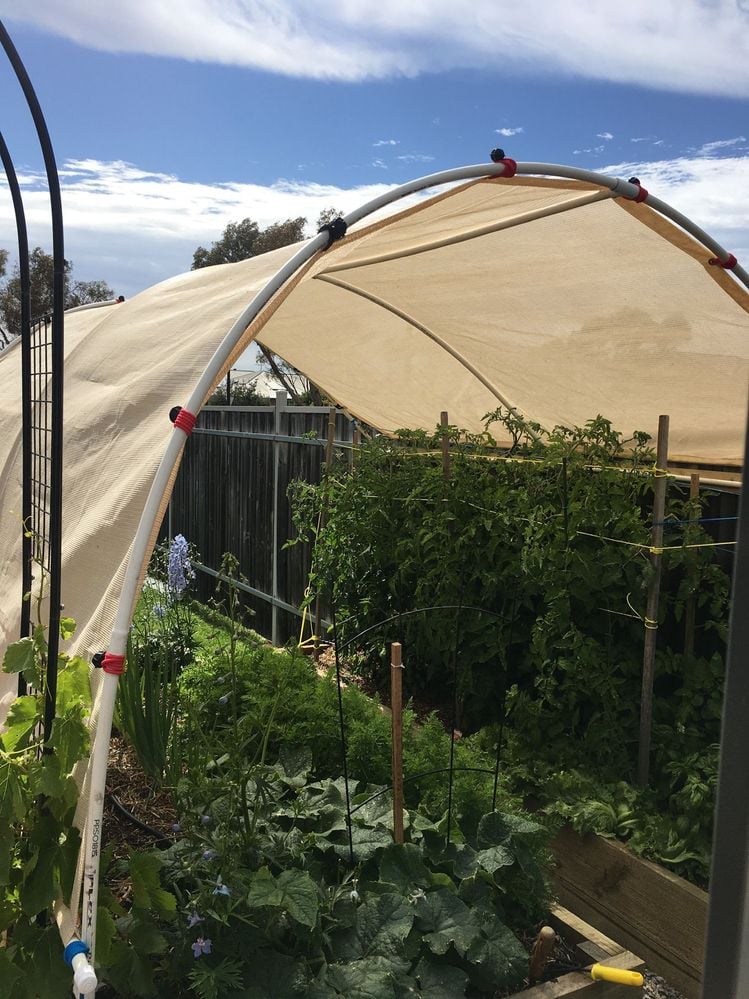
The most important concept is that you have to have enough flex to create the bend in the conduit. We used 15ml water pipe. Unfortunately, we built the hoop house first go, and when we installed it, the hoops all broke, so we realised that we had too many cross joiners in it. So, we tried again. We found that increasing the height of the hoop to 2m worked better, but attaching it to the fence with saddle clips at around 1m gave us ample clearance and flex to grow terrific tomatoes this year.
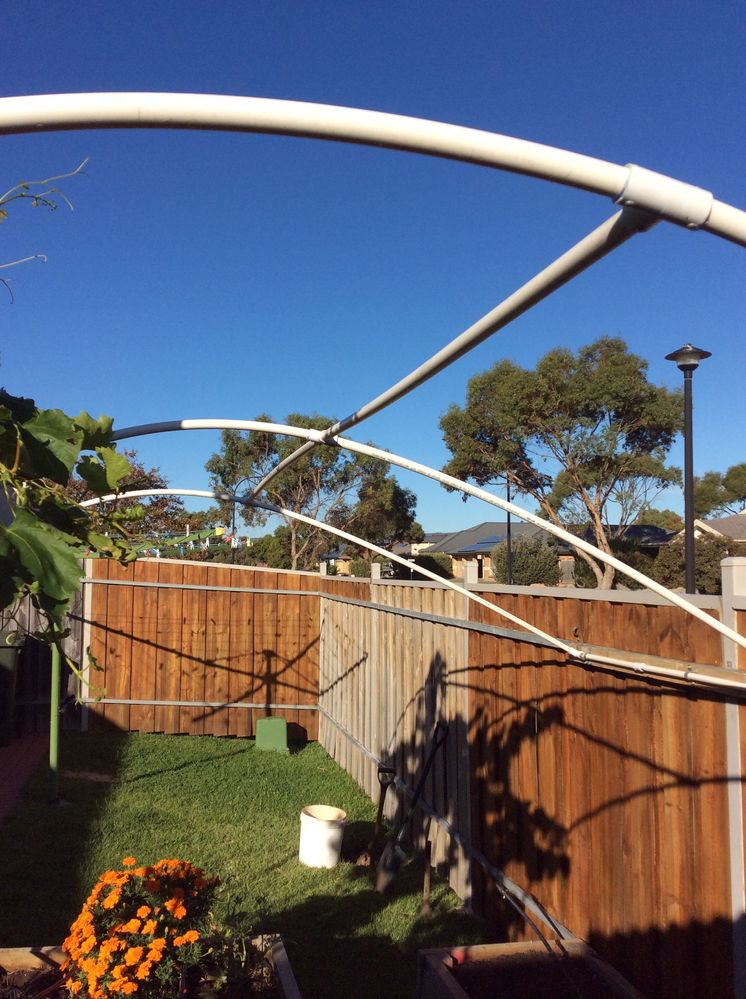
Another trick with the pipe is to make sure you use primer first – the primer allows solvent to weld the fittings together better.
Over winter this year, we removed the shade hoop cover and stored it away for this year's summer ahead. During winter I used crop protection nets for my brassicas. I grew a great crop of cauliflower, broccoli and cabbages with no insect issues and no chemical sprays either.
I then pulled the crop protection cover off and reinstalled the shade cloth cover. We added uprights at the ends and bolted them to the raised garden beds, and used saddle clips attached to the outer hoops for added strength.
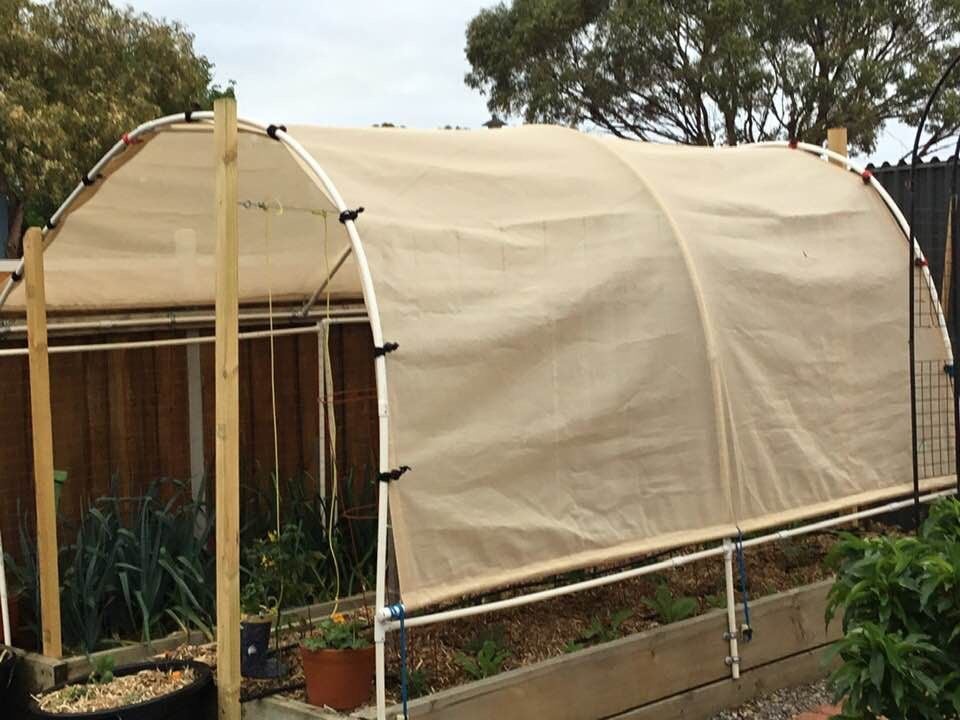
Making the initial investment can be costly – around $400 including the shade cloth – but after picking tomatoes from eight plants from November through to March, through the horrendous hot and dry summer we have experienced in South Australia, the hoop house has made a significant saving in just one season.
Our second hoop house is an upmarket version of the first. Learning from our first hoop house, this one is located in a windier part of the garden, hence the stronger frame. I will use the full cover during the winter, and we have made another shade cover for the summer.
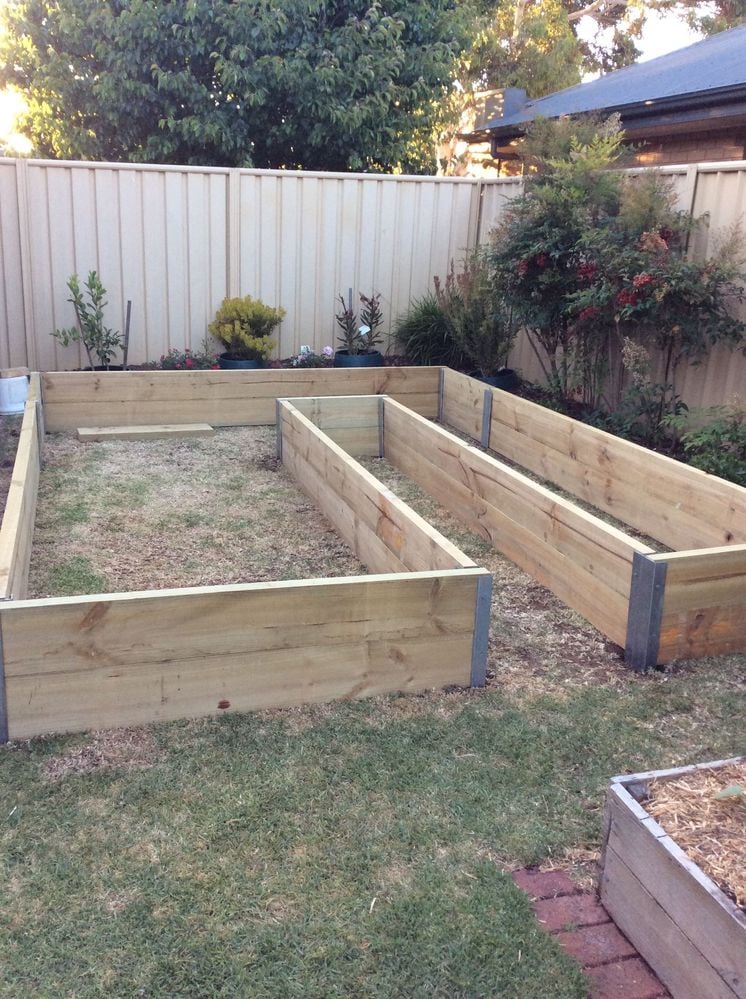
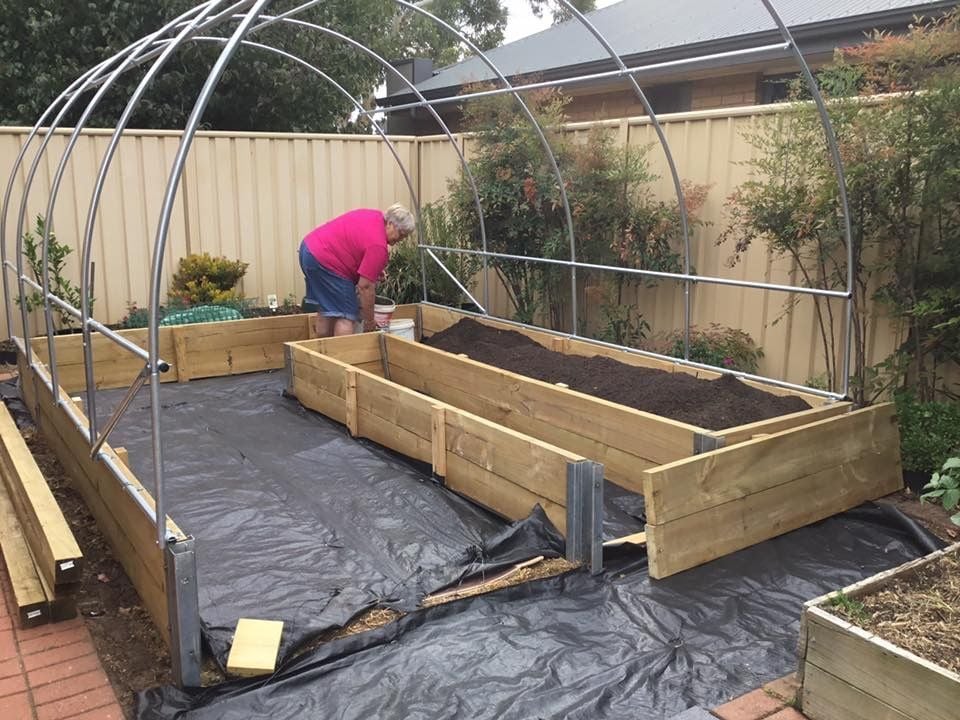

Dad installed all the irrigation, so I can just snap a hose on and water the beds without even having to go inside. I’ve planted Brassicas, and installed a crop protection net in the doorframe to keep out pesky moths. I can leave the door rolled up so it doesn’t get too hot. The daytime temperature is around 25º Celsius with the plastic doors and windows open.