Anyone got a solution to this? My 1982 Dalfield built home (double brick concrete tiled) has had a problem with the valley gutter leaking into the eves and onto the soffits since new. I had the builder come back and attend to it under the warranty when teh first rains came but it has never been totally fixed and has got leakier by the year.
A few weeks ago I replaced the lower rusted portion of the galvanised valley gutter/flashing and found the cause. The support rafters that runs the length of the valley from the peak of teh roof down to the perimeter gutters the side valley gutter support boards actually finish at the bottom end about 15cm or more below the gutter and facia. The fix the builder employed it seems was to loosely put a couple of offcuts battens about 10 cm long near the perimeter gutter to raise the extreme end of the valley gutter and raise the tiles along the edge of valley all the way up the roof with bits of broken tile. However this has meant that about 3 meters of the valley gutter between the makeshift offcut supports and the higher supported part of the valley gutter is unsupported with its slope is too shallow and the weight of the adjacent concrete tiles are flattening the valley gutter so it is no longer V shaped. I only recently replaced all my perimeter gutters with aluminium gutters so I don't want to drop the facia (steel) and perimeter gutters if it can be avoided; and I don't thing that would be praticable anyway. I am wondering if I can simply lay and nail new support battens/boards the full length of the valley gutter so they essentilay raise teh existing supports so they then finish above the perimeter gutter and the tiles along the edge no longer require additional support? Am I likely to run into any new problems doing this? Are there better economical solutions? Note that apparently we use different profile valley gutters and related roofing support construction in WA and SA (e.g. see http://www.stratco.com.au/products/b...valley-gutter/).
My concern is that I suspect the support rafter and support boards are in the right place at the roof peak and drop away as they descend and that I may really need very long wedge shaped battens to address the issue. But perhaps I could just step down the batten thickness one centermeter or so at a time as I go up the roof a metre length at a time perhaps?
Note that I have replaced the valley gutter with the currently available slightly wider valley guttering hoping this would help minimise the risk of leaks and some years ago I replaced the broken tiles bits that were raising the tiles (without realising why they were there) with square profile adhesive bituminised square profile strips from Bunnings .
The pictures beloe are taken facing the lower end of the valley gutter and lifting the last tile on the right hand side. The galvanised metal to the left is the steel metal facia. You can see the offcut up against that; the offcut was put on its edge but falls flat once the valley gutter (shiny brown metal) and tile are put back. I can't see that these offcuts were ever going to solve the issue. The offcut is sitting on the right side (looking from the lower end) valley support. You can see the gap between the valley gutter of the top of the facia is about twice the thickness of the offcut/valley support board.
And yes I need to do my annual clean to get the crap out of the top of the gutter guard. 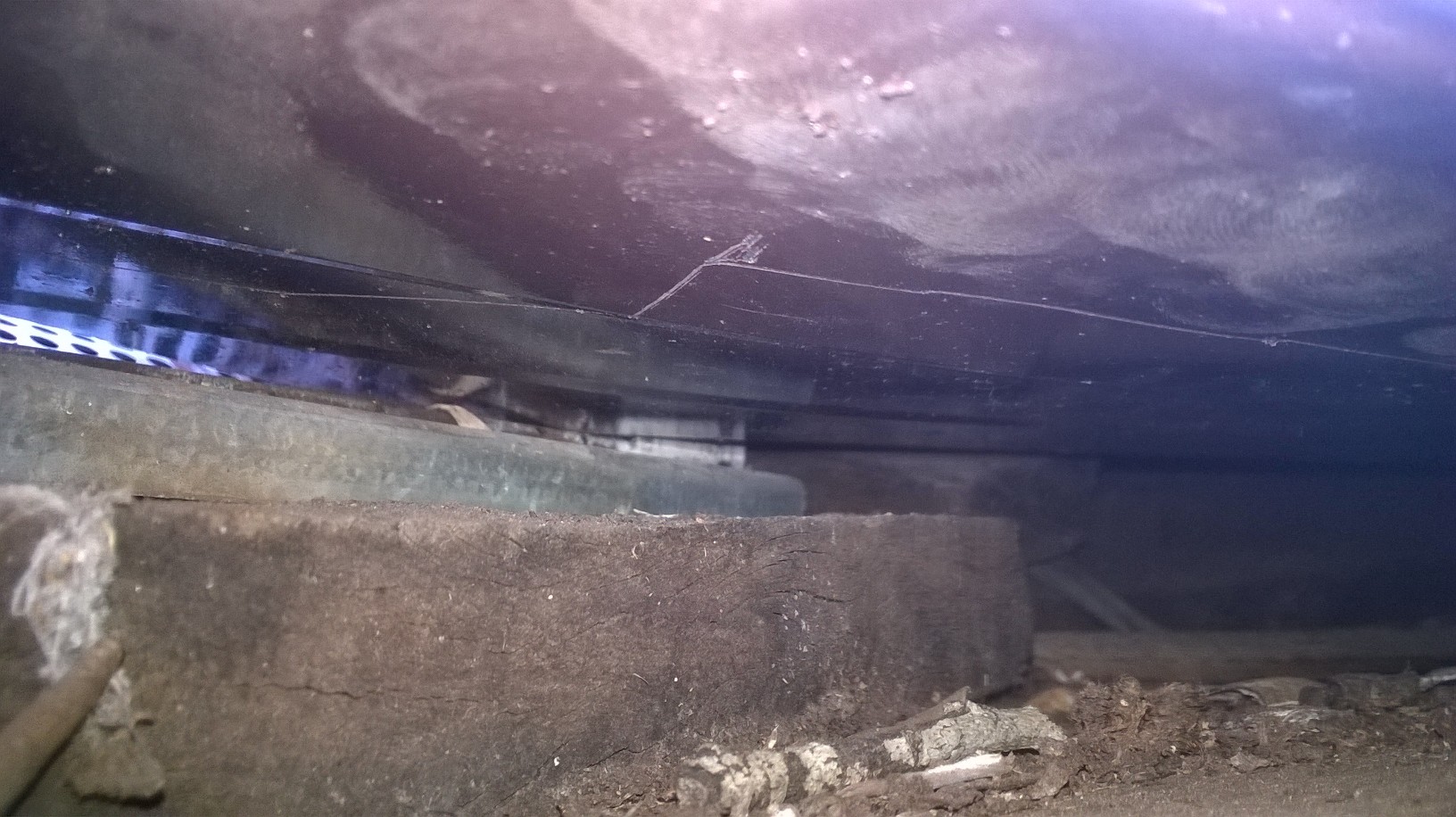
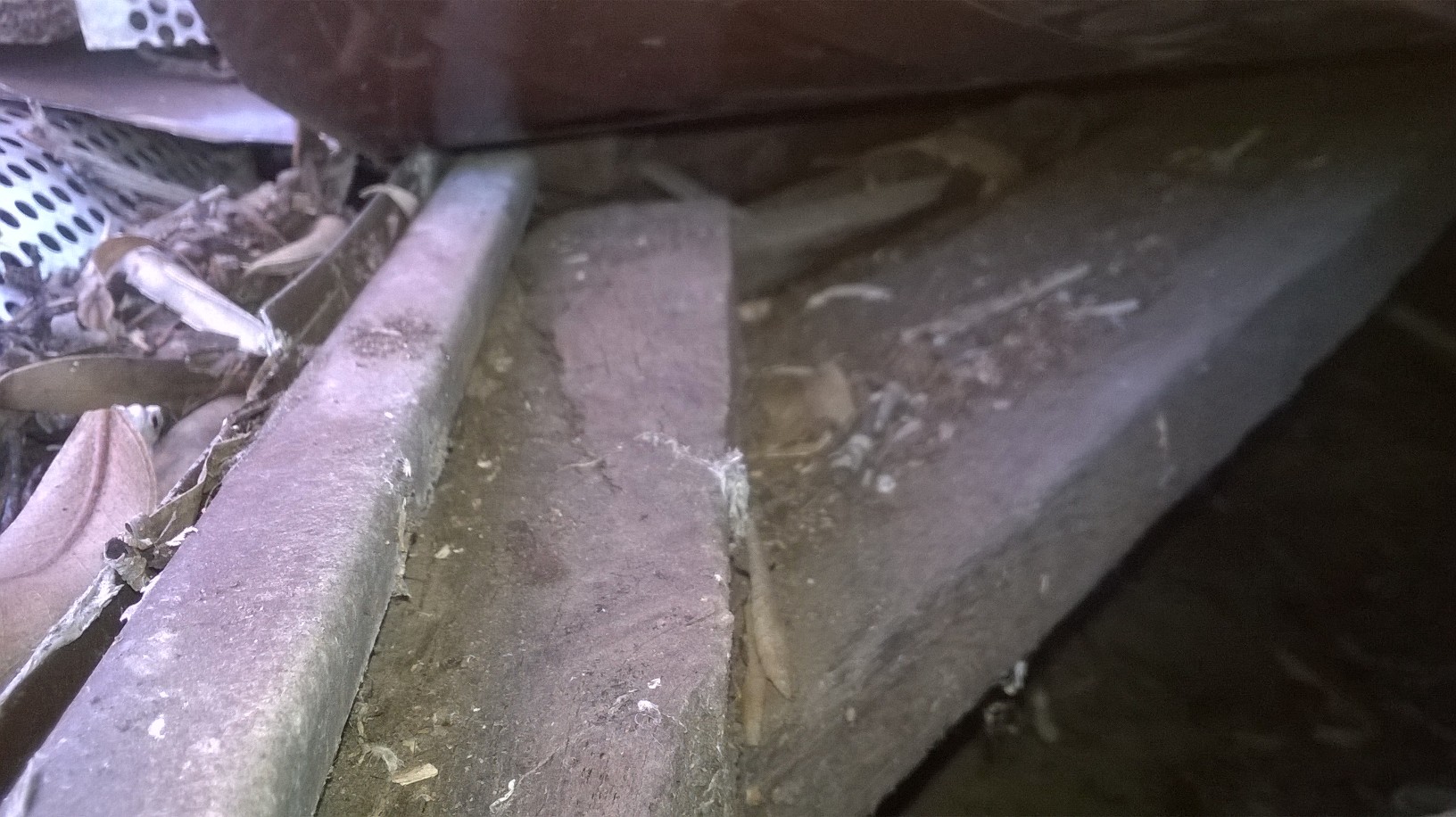
I have also replaced the other two valley gutters in my house and they sit higher and support the valley gutter all the way to the facia/perimeter gutter. I actually don't think I can drop the perimeter gutter to fix this as the soffits sit in a slot in the metal facia on one side and on top of the outer layer of the double brick cavity wall on the other.