Growing your own fresh vegetables can be incredibly rewarding and a great way to save on grocery bills.
As our clever and creative Bunnings Workshop members demonstrate, you don’t need a spacious garden or perfect weather to grow vegetables or herbs. Get inspiration from some of the different ways our members have grown produce.
1. Direct planting
This is one of the most common ways of growing vegetables. A key step is to enrich the soil by adding compost or organic matter, like @mich1972 did when creating her no-dig garden bed for edibles.

The Bunnings team shares more tips on growing vegetables in Beginners guide to starting a vegetable garden.
2. Raised garden beds
Raised garden beds are a popular choice for growing vegetables, herbs and flowers. Weeds and pests are easier to manage without the strain of bending and kneeling. Using H4 treated Pine sleepers from Bunnings, @bruceprince built these terrific 2.4 by 4.8m raised garden beds that are still "going strong" after several years.

Our community members have shared more ideas in 7 ways to build a raised garden bed.
3. Planters
Planters are typically portable so they can be moved around in your garden and even to a new home. The mobile vegetable garden by @Glenc includes a built-in worm farm to help fertilise the plants.

Have a look at the step-by-step guide to building a portable garden bed by the Bunnings team. Experienced Workshop member @Peggers has also put together a simple guide to making a very simple planter box for beginners.
4. Vertical gardens
Perfect for those with compact backyards, vertical gardens can provide more space for growing herbs, flowers and vegetables. They can also help enliven an otherwise dull fence. Member @KingStreetReno used a vertical garden kit to create their herb garden along a painted fence.

5 ways to create a vertical garden has more ideas for growing herbs and vegetables in limited space.
5. Greenhouses
Designed to protect plants and provide a more controlled growing environment, greenhouses can be an effective option for growing vegetables. A greenhouse by @LisasGarden features built-in garden beds and is used for growing vegetables like capsicum and eggplant.

Cold frames can also be used to grow vegetables in cool climates. Bunnings Workshop member @Aussie-Garden built a cold frame for winter gardening, trapping heat and humidity.
6. Hanging baskets
Hanging baskets and pots can be used to grow vegetables like tomatoes while being a delightful feature in your home, as shown by member @mich1972 in her post how to create a colourful hanging basket.

Horticulturalist and Workshop member @Noelle's guide How to choose plants for hanging baskets also contains useful tips.
7. Hydroponics
Hydroponic gardening (growing plants in water) is an option for those who don’t have access to nutrient-rich soil. Member @pLethora built an outdoor hydroponic garden using the VegTrug Growing kit with a light and used it to grow snow peas, lettuce and various herbs.
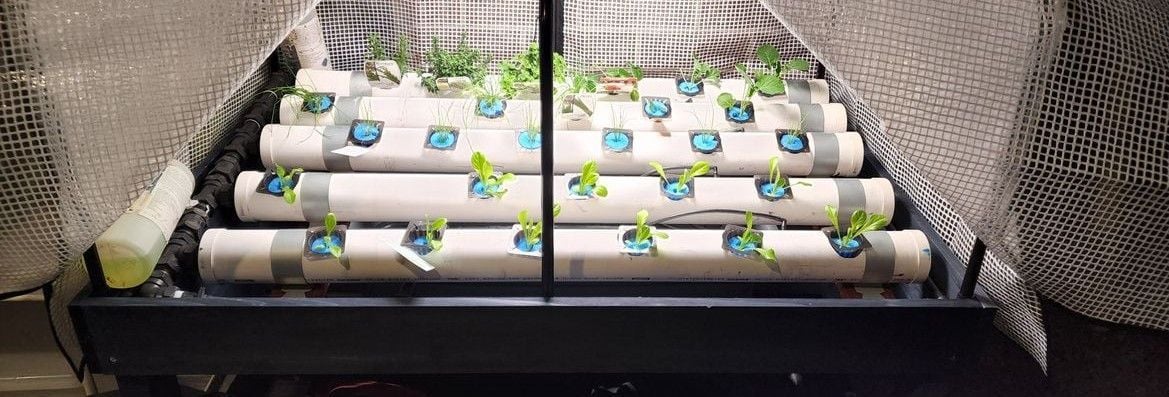
@Prof is also growing hydroponic plants like tomatoes and lettuce and has shared his experiences.
8. Wicking beds
A wicking bed features a bottom reservoir of water to draw up into the soil so a lot less manual watering of your plants is required. Community member @wickwellgardens reported water savings and healthier plants from their first wicking bed.

Check out How to make a wicking bed from the Bunnings team.
9. Aquaponics
Combining aquaculture and hydroponics, closed loop aquaponic systems feature fish waste feeding the plants and plants filtering the water. Member @Dale first started experimenting with aquaponics a decade ago.

The comprehensive guide How to get started with aquaponics by Bunnings Workshop member @Adam_W is a great place to begin.
10. Potato towers
A vertical gardening method designed for growing potatoes in small spaces by stacking as the plant grows. Community member @IDIG has been enjoying terrific yields from his community vegetable garden with raised beds.

Get more tips from the Bunnings guide How to plant, grow and harvest potatoes.
11. Trellis
Trellis is invaluable for climbing plants. See how gardener @kellyyang built four large treated Pine raised garden beds for growing vegetables with trellis archways for climbing plants.

Check out How to make a wire espalier trellis by the Bunnings team.
12. Nets and covers
Covers can help keep pests at bay as well as providing protection from the harsh sun or damaging frost. Experienced gardener @Grub80 built a garden shade hoop house that can be adapted to gardens of almost any size.

Workshop member @Meling grew vegetables from seed for the first time in a netted raised garden bed.
How to grow vegetables
The Bunnings team has produced many guides on growing vegetables that may help, including How to start a vegetable garden and Nine easy vegies to grow.
Garden expert @Adam_W has also shared a simple guide How to grow tomatoes from seed to harvest which includes tips on keeping your plants healthy.