The Bunnings Workshop community can help with your home improvement projects.
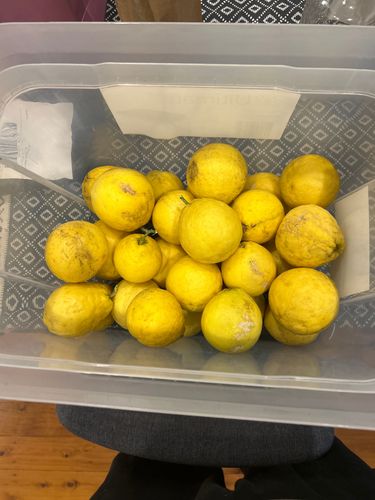
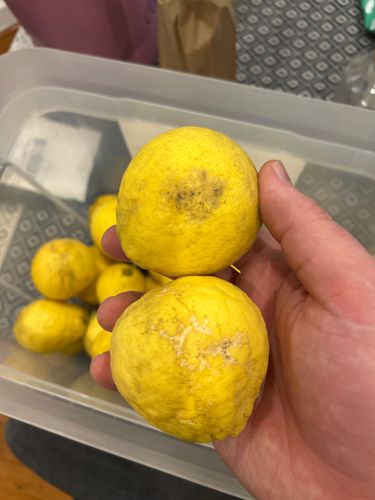
hi there, first time user. I purchased a house a couple of years ago and the prior owner planted a lemon tree and mandarin tree close to one another. Unfortunately fruit flies completely took out the mandarins, but I got some spray from Bunnings whilst the fruit was green. It now is ready to be picked and has these odd markings on them. It doesn’t look like fruit fly bites but I’m wondering if they’re safe to use? Likely wouldn’t use any for zesting just given the marks. Thanks so much!
Hello @lemonsrus
Welcome to the Bunnings Workshop community. It's sensational to have you join us, and thanks for sharing your question about your lemons.
Mottled skin on lemons usually means the fruit has been affected by environmental stress, pests, or disease. The most common causes are citrus leafminer damage, although they mainly attack young leaves, severe infestations can sometimes affect fruit skin. The tunnels or scars they leave may give the lemons a patchy or scarred appearance. Next is citrus thrips – These tiny insects feed on young fruit, causing silvering, browning, or rough mottled scarring, especially around the stem end. The damage is cosmetic but can look quite unsightly. Then there is sunburn or heat stress – If the fruit is exposed to strong, direct sunlight (especially after heavy pruning or leaf loss), it can develop pale, leathery patches or uneven skin tone.
The others are nutrient deficiencies – A lack of key nutrients like calcium, magnesium, or zinc can lead to blotchy, uneven colouring of the fruit as it develops. Fungal infections – Conditions like citrus black spot or melanose cause mottled, scabby, or freckled patterns. These are more likely if the tree has poor airflow or wet conditions. Ripening irregularities – Uneven ripening (especially when fruit is shaded on one side) can make lemons appear patchy in colour.
Can you still use the lemon fruit?
Yes, you can almost always still eat or use the lemon in cooking, even if the skin looks mottled—as long as the inside is healthy and there's no sign of rot, mold, or sour/fermented smell.
Mottling caused by pests like citrus thrips or environmental stress is usually cosmetic only, meaning the juice and pulp are unaffected. Even if the skin looks unattractive or feels rough, the lemon will likely taste normal and work just fine for juice, zest, or cooking.
Just give the skin a good wash before using—especially if you're zesting it—to remove any dust, sap, or possible residues from pests or sprays.
If you need further assistance, please let us know.
Eric
Thanks Eric that is tremendously helpful
Workshop is a friendly place to learn, get ideas and find inspiration for your home improvement projects
We would love to help with your project.
Join the Bunnings Workshop community today to ask questions and get advice.