The Bunnings Workshop community can help with your home improvement projects.
Hi there,
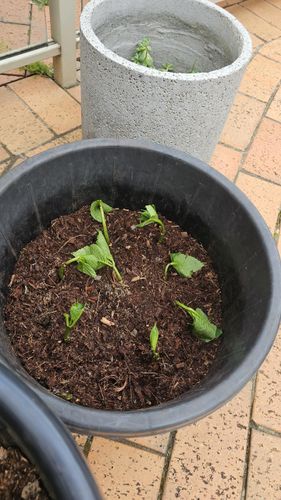
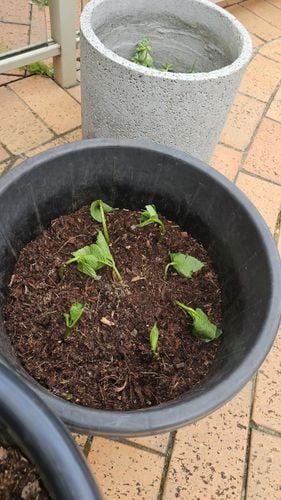
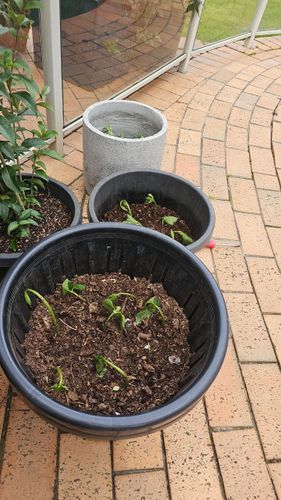
I’m looking for advice on hydrangea cuttings. My nan passed away last year, and I recently took some cuttings from her farm, which we sold last week. I’ve placed a few in soil and a couple in water. This is really close to my heart, and I’d love for at least one to grow.
Hello @ellhawthorn
It’s wonderful that you’re keeping a living memory of your nan through her hydrangeas. From your photo, it looks like the cuttings are starting to wilt a bit, which is common in the early days, but there are some things you can do to improve their chances.
Hydrangea cuttings root best when taken from healthy, non-flowering stems about 10–15 cm long. The key is to balance moisture, warmth, and humidity without overwatering. Since your cuttings are in soil, make sure you’re using a very light, well-draining mix something like equal parts potting soil, perlite, and coarse sand. Gently firm the soil around each cutting, and mist them daily rather than drenching the pot. Keeping the soil slightly moist but never soggy is vital because too much water can rot the stems before they root.
Creating a mini greenhouse effect helps tremendously. You can loosely cover the pot with a clear plastic bag or cut-off soft drink bottle to trap humidity, but make sure air can still circulate so mould doesn’t form. Place the pots in bright, indirect light not full sun, which can dehydrate the leaves quickly and keep them somewhere warm, ideally around 18–22°C.
The ones in water may show roots first, often within two to three weeks. Once the roots are at least 3–5 cm long, you can pot them up in a similar mix. The soil cuttings will take longer to show progress, sometimes up to a month, but don’t be discouraged hydrangeas can be slow to root, especially in cooler weather.
If you need further assistance, please let us know.
Eric
Thankyou eric,
The soil which I used was from our compost. I am on my way to Bunnings can you tell me which potting mix is the best, is it better to Have less in a pott?
Hello @ellhawthorn
That’s a great question, and it’s lovely that you’re putting so much care into these cuttings. Compost is rich in nutrients, but for hydrangea cuttings it can actually be too dense and hold too much moisture, which makes it harder for roots to breathe and increases the risk of rot. For propagation, a lighter, more open mix will give you the best chance of success.
When you get to Bunnings, look for a premium potting mix designed for cuttings, seedlings, or indoor plants. Some good options include Yates 2.5L Specialty Potting Mix Cutting and Seeds, Scotts Osmocote 10L Seed And Cutting Premium Potting Mix, or Seasol 10L Seed Raising And Cutting Potting Mix. These have the right balance of fine texture, moisture retention, and aeration. If you can’t find one specifically for cuttings, choose a premium potting mix and lighten it up by adding about one-third perlite or vermiculite. This helps excess water drain away but still holds enough moisture for roots to develop.
As for spacing, it’s definitely better to have fewer cuttings per pot. You’ve done well to keep them spaced out, but ideally, just two to three cuttings per pot is perfect. This gives each stem more airflow and space to grow roots without competing for nutrients or water. If you have a few extras, pop them into smaller individual pots even reused nursery pots will do fine.
My best advice is to fill the pot about three-quarters full with your potting mix, leaving roughly 3–5 centimetres of space from the rim of the pot. This space gives you room to water without overflow and keeps moisture from pooling at the top, which can cause stem rot in delicate cuttings.
Eric
Workshop is a friendly place to learn, get ideas and find inspiration for your home improvement projects
We would love to help with your project.
Join the Bunnings Workshop community today to ask questions and get advice.