The Bunnings Workshop community can help with your home improvement projects.
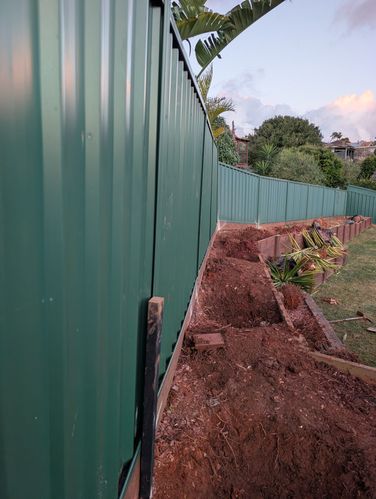
After a serious amount of work manage to get the stumps out of 10 yakkas in my yard. I got the tap root out for all, but there is a lot of root system between them still there. Is there risk of regrowth ? I don't want to poison them because I'm replanting soon and don't want to contaminate the soil. I guess I'm left with more digging? Any tips appreciated!
Hello @FMaree
Great job getting those stumps and taproots out, yakkas are incredibly tough plants, and removing them is no small effort. Since you’ve already removed the taproot for each of the ten, the risk of regrowth is very low. The taproot is the main life-support for yakkas; once it’s gone, the plant cannot regenerate in the way that many other species might. What remains in the ground is essentially a dead root system rather than a source of new shoots.
The old lateral roots that you’ve left behind will eventually break down naturally. They do not have the ability to send up new plants without the taproot and crown attached. If you’re planning to replant soon, those old roots will mostly just act like buried organic matter, slowly decomposing over time. They may make digging and planting a bit more awkward, but they won’t interfere with new growth in terms of spreading or re-sprouting. If anything, as they decompose, they can even help improve soil structure by leaving small pockets for water and air.
If your goal is to get the area perfectly clear for replanting, then yes, more digging is an option, though it is usually not strictly necessary. A garden fork or mattock can help loosen any thicker sections of root, but most gardeners simply leave them to break down in place. Since you don’t want to use poison and rightly so if you’re replanting manual removal and patience, are the best strategies. You could also top up the area with compost or quality soil mix to improve the ground before planting.
To sum up, with the taproots removed there is no real risk of regrowth, so you don’t need to worry about poisoning. You can either dig further if you want a completely clear planting bed or leave the remaining roots to rot naturally, which will not harm your new plants.
If you have any other questions we can help with, please let us know.
Eric
Thank you so much for your help !! Much appreciated!!
Workshop is a friendly place to learn, get ideas and find inspiration for your home improvement projects
We would love to help with your project.
Join the Bunnings Workshop community today to ask questions and get advice.