
The Bunnings Workshop community can help with your home improvement projects.
- Bunnings Workshop
- >
- Discussion
- >
- Garden
- >
- How to treat infected buffalo grass?
How to treat infected buffalo grass?
- Subscribe to RSS Feed
- Mark Topic as New
- Mark Topic as Read
- Float this Topic for Current User
- Bookmark
- Subscribe
- Mute
- Printer Friendly Page
Share


- Mark as New
- Bookmark
- Subscribe
- Mute
- Subscribe to RSS Feed
- Highlight
- Report Inappropriate Content
How to treat infected buffalo grass?
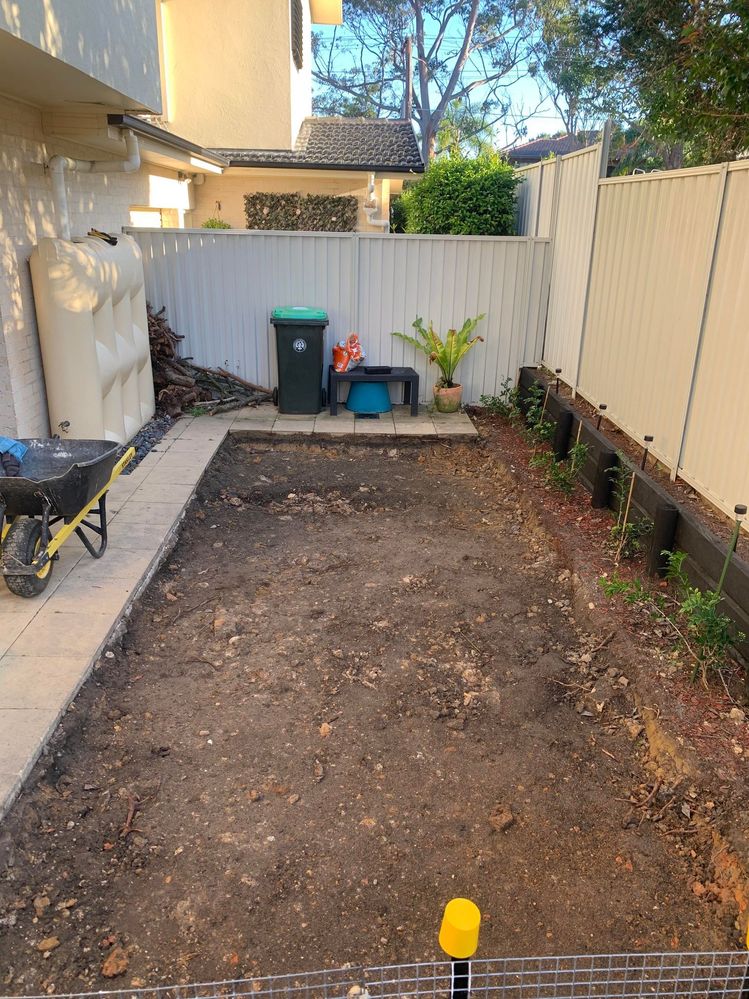
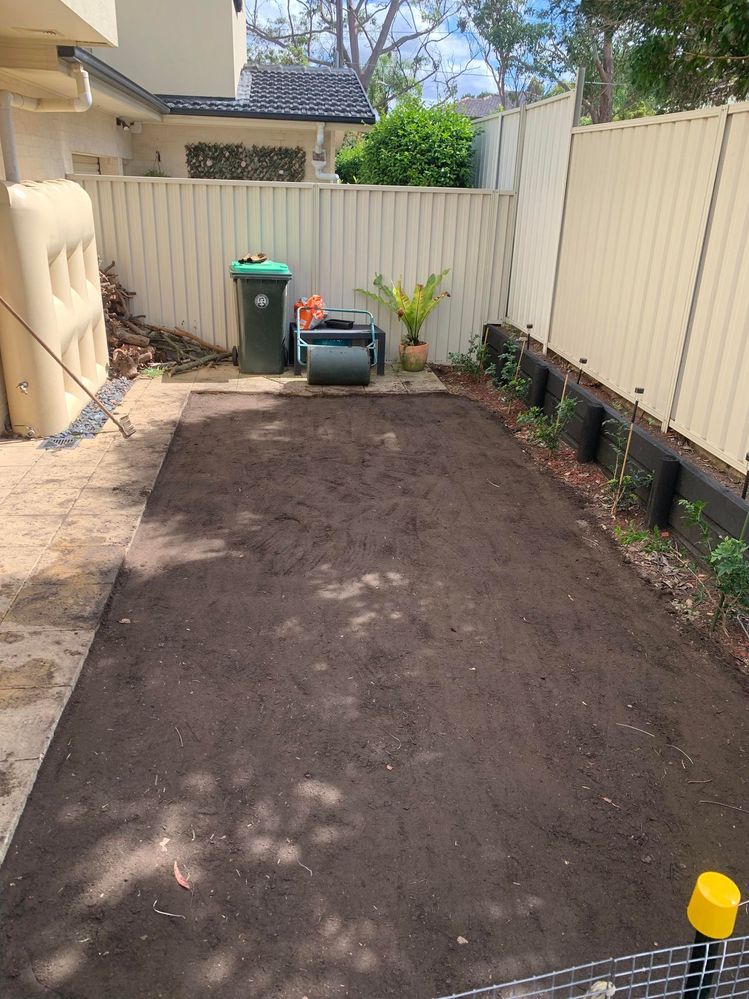
I recently did a backyard renovation which included rolling out new Sir Walter Buffalo turf (November 2023). The area sits on a clay base, so we decided to dig down 150mm and backfill with soil, to give the grass a better foundation. The lawn was initially doing really well and growing thickly.
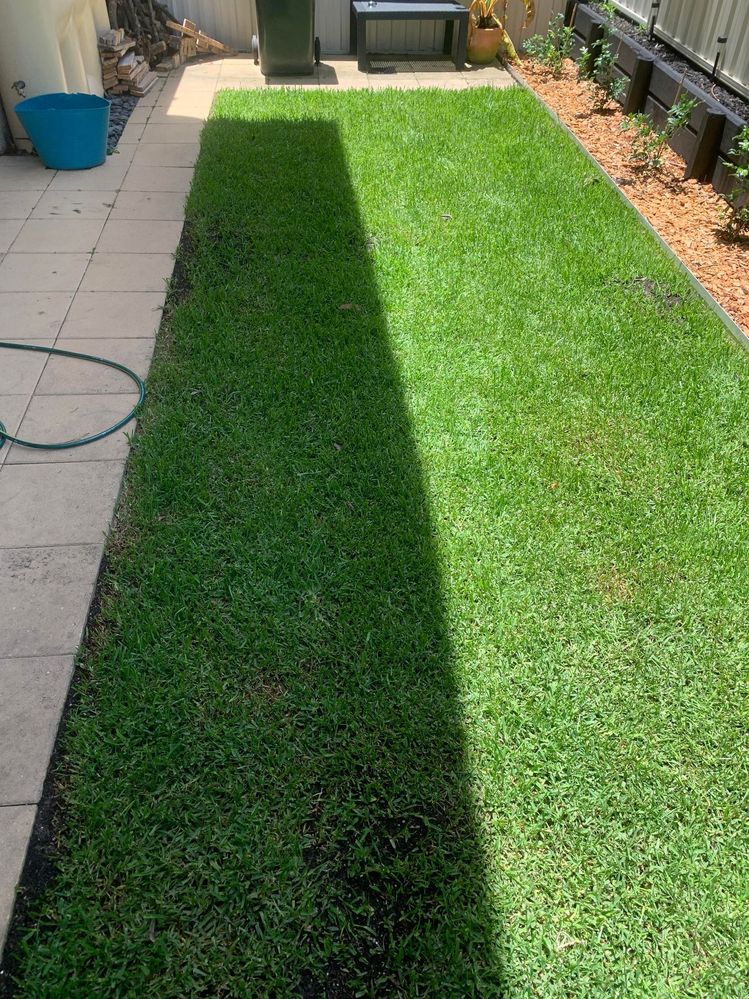
However, recently I think I'm dealing with a pretty significant fungal infection. On reflection, this is likely due to me overwatering the area. At first, areas of the lawn began to thin out, with olive coloured spots appearing on the leaves. These worsened and then started to form brown patches all over the lawn.
After reading some advice on a similar issue, I have aerated the entire lawn and top dressed the brown patches with washed sand, as well as holding off on watering until the lawn is completely dry. I have also applied a round of Sulphate of Potash to the whole lawn (link) to try and speed along the recovery. This was applied about one week ago now.
Since applying the fertiliser, topdressing and aerating - the infection has not gotten significantly worse, but it hasn't really improved either. My main questions:
1. At what point should I look at applying a fungicide, if the mentioned treatment doesn't work?
2. Which fungicide should I apply and is there any risk in applying one when the lawn is so young?
Please see below pictures:
18th November - Clay base Dugout
18th November - Backfilled with Soil
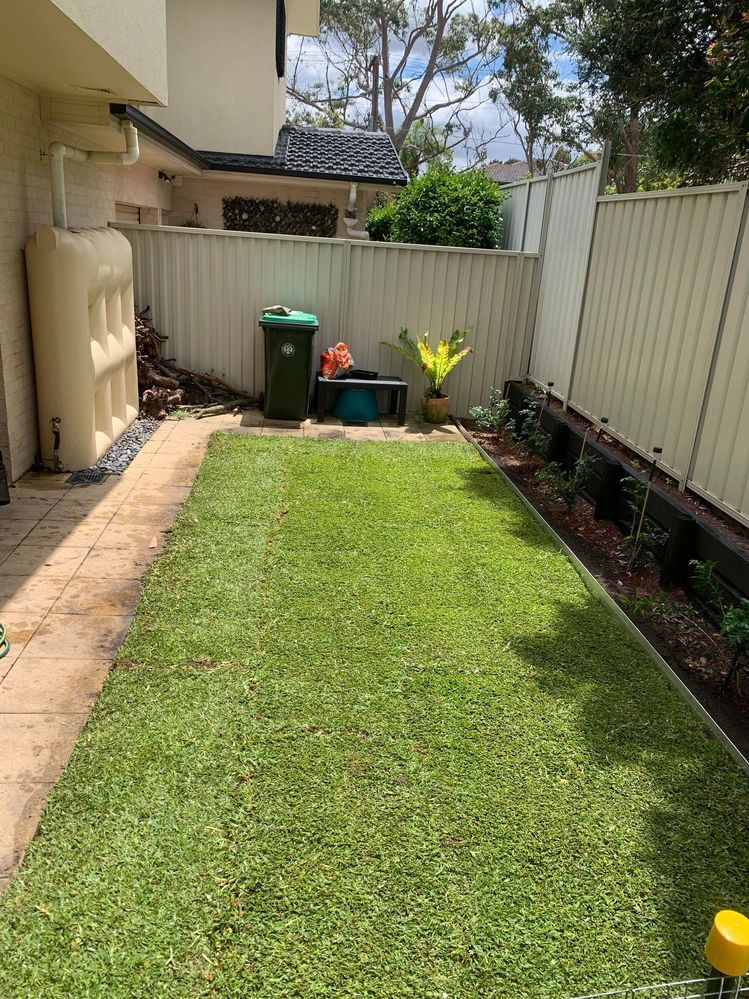
18th November - Turf Layed
23rd December - Lawn Growing Well
8th January - Brown Patches and Fungus Pictures
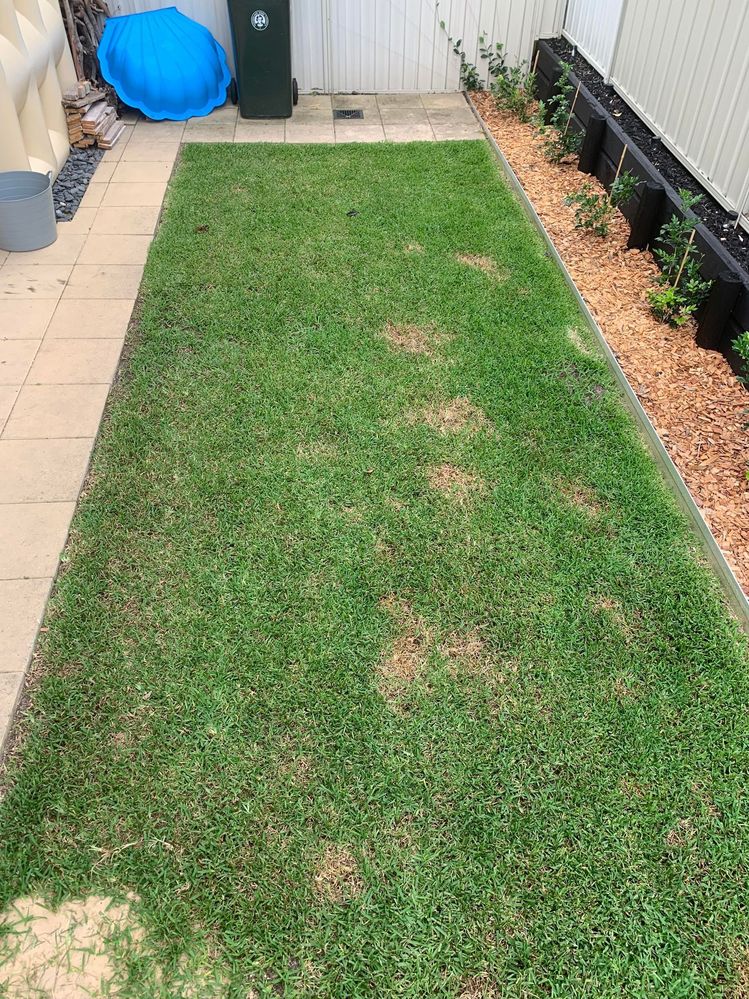
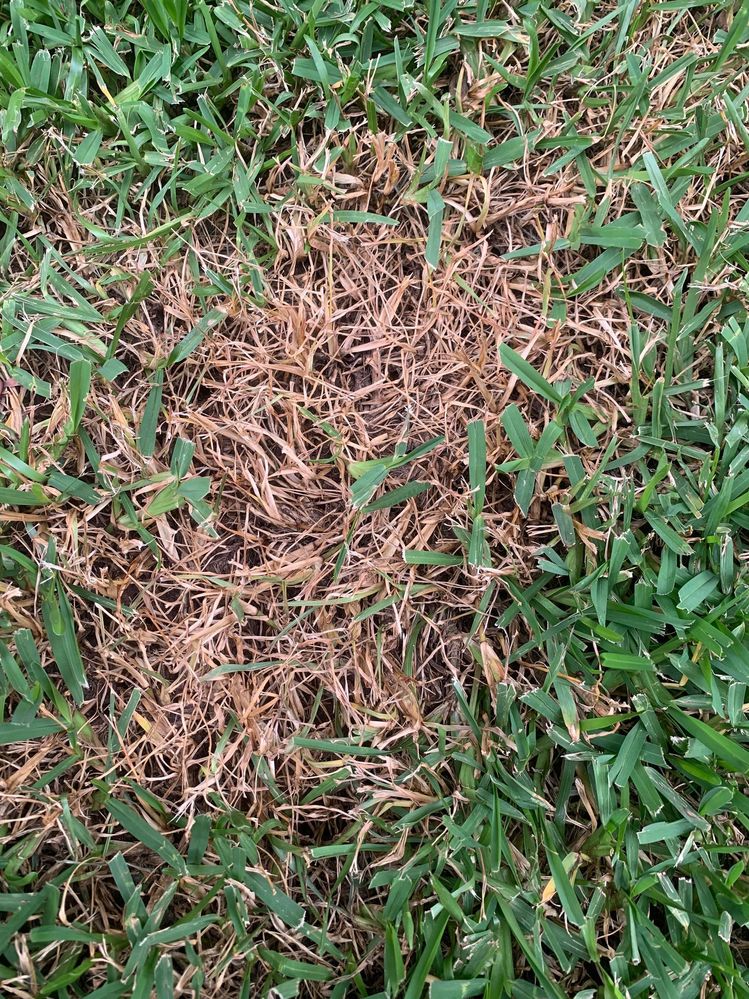
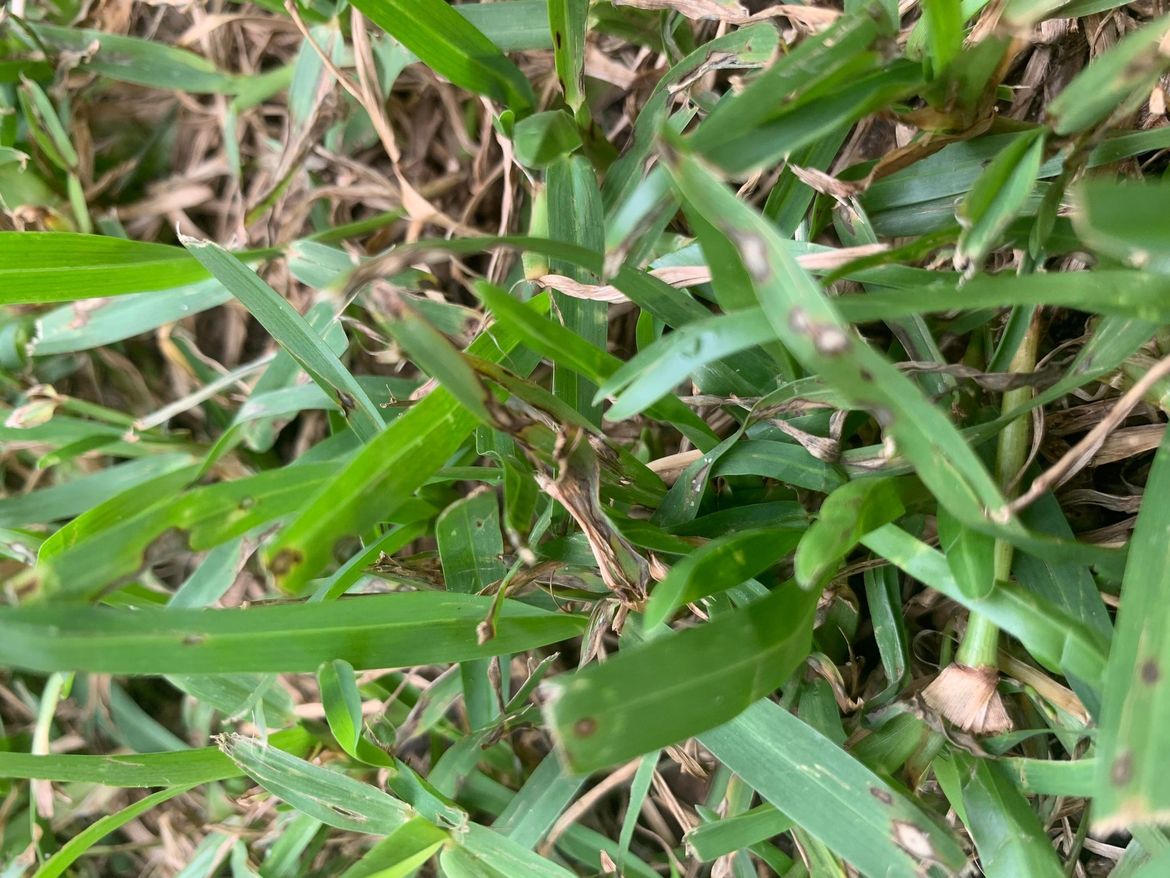
Today (9th January) - Top-dressed and Aerated.
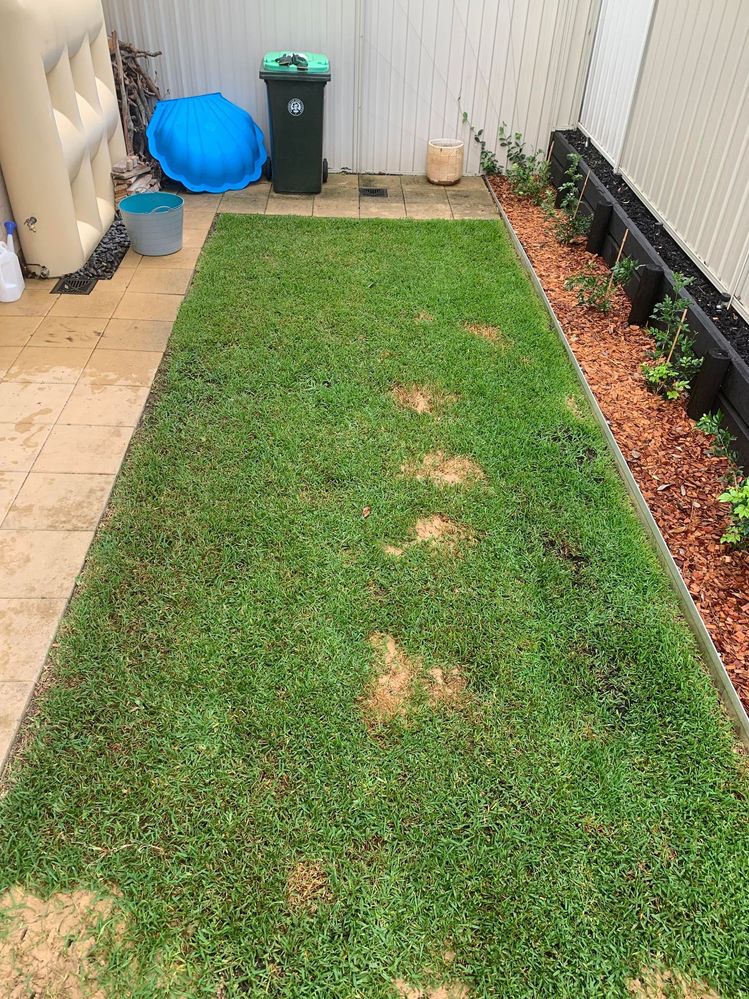
- Mark as New
- Bookmark
- Subscribe
- Mute
- Subscribe to RSS Feed
- Highlight
- Report Inappropriate Content
Re: How to treat infected buffalo grass?
Thanks @MitchellMc @Noelle - for the advice!
@Noelle - all makes sense, how regularly would you recommend I aerate the area?
@MitchellMc - there’s a lot of rain predicted in Sydney this week, so should be a good test. RE the drainage suggestion, there is a pvc pipe which runs underneath the lawn and connects to stormwater, so could definitely look at adding in and connecting some ag pipe. Do you think that is imperative to do now, or could I wait and see how it goes for a season and if drainage doesn’t improve, look to do this work next spring?
Updated photos (14 Jan). Parts of the lawn doing really well. Brown patches still persist but there are some new runners coming through over the affected areas.


Thanks again!
- Mark as New
- Bookmark
- Subscribe
- Mute
- Subscribe to RSS Feed
- Highlight
- Report Inappropriate Content
Re: How to treat infected buffalo grass?
Hi again @jonniemartin
In your position, I would aerate every three months from early spring through to late autumn. Aerate the whole area but pay special attention to those spots that have browned off as the grass there has probably suffered the most.
I'd also wait to see how all current treatments play out before thinking about laying drainage lines across the lawn area. Most likely, once the lawn is really well established and its roots have anchored well, additional drainage may not be needed.


- Mark as New
- Bookmark
- Subscribe
- Mute
- Subscribe to RSS Feed
- Highlight
- Report Inappropriate Content
Re: How to treat infected buffalo grass?
Some great advice from @Noelle there, @jonniemartin. Drainage isn't an immediate concern. It's just something to remember if things get worse and the area becomes constantly waterlogged.
Keep us updated.
Mitchell

- Mark as New
- Bookmark
- Subscribe
- Mute
- Subscribe to RSS Feed
- Highlight
- Report Inappropriate Content
Re: How to treat infected buffalo grass?
Thank you all this has been so helpful. Will let you know how it progresses 

- Mark as New
- Bookmark
- Subscribe
- Mute
- Subscribe to RSS Feed
- Highlight
- Report Inappropriate Content
Re: How to treat infected buffalo grass?
Hi,
After comparing this post with our lawn I think we have a fungal issue as well. We are on an acre and wondering if this copper liquid is still best to use on a large area or is there a different product that would be better? How much area would this 200ml bottle cover please?

- Mark as New
- Bookmark
- Subscribe
- Mute
- Subscribe to RSS Feed
- Highlight
- Report Inappropriate Content
Re: How to treat infected buffalo grass?
Hello @Linda3102
Welcome to the Bunnings Workshop community. It's sensational to have you join us.
When Yates Liquid Copper is used on lawn, the spray is applied as a coverage spray rather than a light foliar mist. Most lawn-spray guidelines use roughly 1 litre of mixed spray per 10 square metres to ensure even wetting of the turf. That being said, there are other factors that can affect the spraying range of the fungicide.
Using that rate:
66 litres of spray ÷ 1 litre per 10 m² = 660 m² of lawn
So, your 66 litres of mixed liquid copper spray will conservatively cover about 660 square metres of lawn under normal, even-to-wet application. If you spray very lightly, it might stretch a bit further, and if you spray heavily to run-off, it will cover less, but 660 m² is the best practical estimate.
If you need further assistance, please let us know.
Eric

- « Previous
-
- 1
- 2
- Next »
Why join the Bunnings Workshop community?
Workshop is a friendly place to learn, get ideas and find inspiration for your home improvement projects
You might also like


We would love to help with your project.
Join the Bunnings Workshop community today to ask questions and get advice.