The Bunnings Workshop community can help with your home improvement projects.
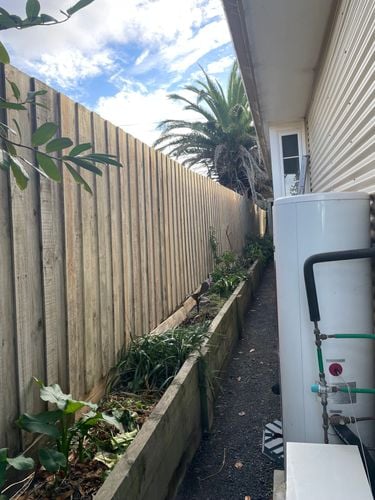
We have a new fence built over a 50cm high garden bed facing 3 very large windows of the house so want to plant something attractive however the fence is high which creates an area that doesn’t get much sun. What plants would hide the new fence, grow fast and be low maintenance?
Hello @LinMar
Welcome to the Bunnings Workshop community. It's sensational to have you join us and thanks for sharing your question about what screening plants to use.
You can create an attractive low-maintenance screen for your new fence even in a shaded garden bed. Given the limited sunlight, it's important to select plants that thrive in part to full shade and are known for their fast growth and minimal upkeep. Below are some of the plants I suggest having a look at for your screening.
1. Murraya paniculata (Mock Orange): This evergreen shrub is a popular choice for hedging due to its dense foliage and fragrant white flowers. It grows well in part shade and can reach up to 4 meters in height, making it ideal for screening purposes.
2. Photinia 'Red Robin': Known for its vibrant red new growth, this plant adds a splash of colour to your garden. It's hardy, adaptable to various soil types, and thrives in part shade. Regular pruning will help maintain its shape and encourage dense growth.
3. Pittosporum tenuifolium: This fast-growing shrub is excellent for creating privacy screens. It tolerates part shade and has attractive, glossy leaves. Varieties like 'Silver Sheen' offer a unique aesthetic with their silvery foliage.
4. Camellia sasanqua: Camellias are renowned for their beautiful blooms and glossy green leaves. 'Sasanqua' varieties are more sun-tolerant and can handle part shade, making them suitable for your garden bed. They typically bloom in autumn and early winter, adding seasonal interest.
Before planting, ensure your garden bed has well-draining soil and consider adding organic matter to improve soil health. Regular watering during the establishment phase is crucial, but once settled, these plants require minimal maintenance. Pruning after flowering or during the growing season will help maintain their shape and encourage dense growth.
If you need further assistance, please let us know.
Eric
Thanks Eric, that was really helpful
I’m going to research your suggestions now
Just thought I'd add a couple of resources to Eric's reply @LinMar. I would encourage you to check out:
Hope that helps,
Jason
Workshop is a friendly place to learn, get ideas and find inspiration for your home improvement projects
We would love to help with your project.
Join the Bunnings Workshop community today to ask questions and get advice.