Workshop
Ask a question

Bunnings Workshop is under maintenance and read-only.

The Bunnings Workshop community can help with your home improvement projects.

How to rebuild aggregate concrete path with drain?

MadylinGamble
Just Starting Out

How to rebuild aggregate concrete path with drain?

Hi everyone,


I’m after some advice on rebuilding a pathway and would love guidance on the best approach.


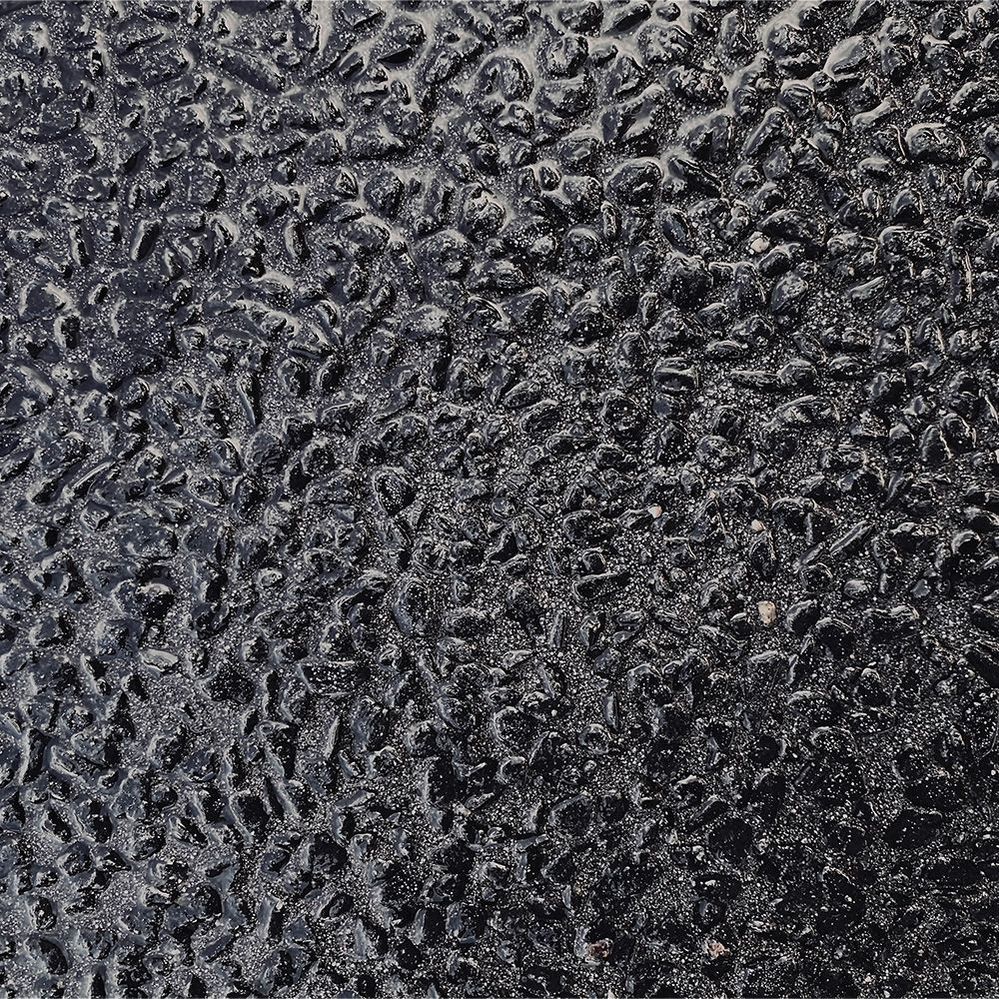
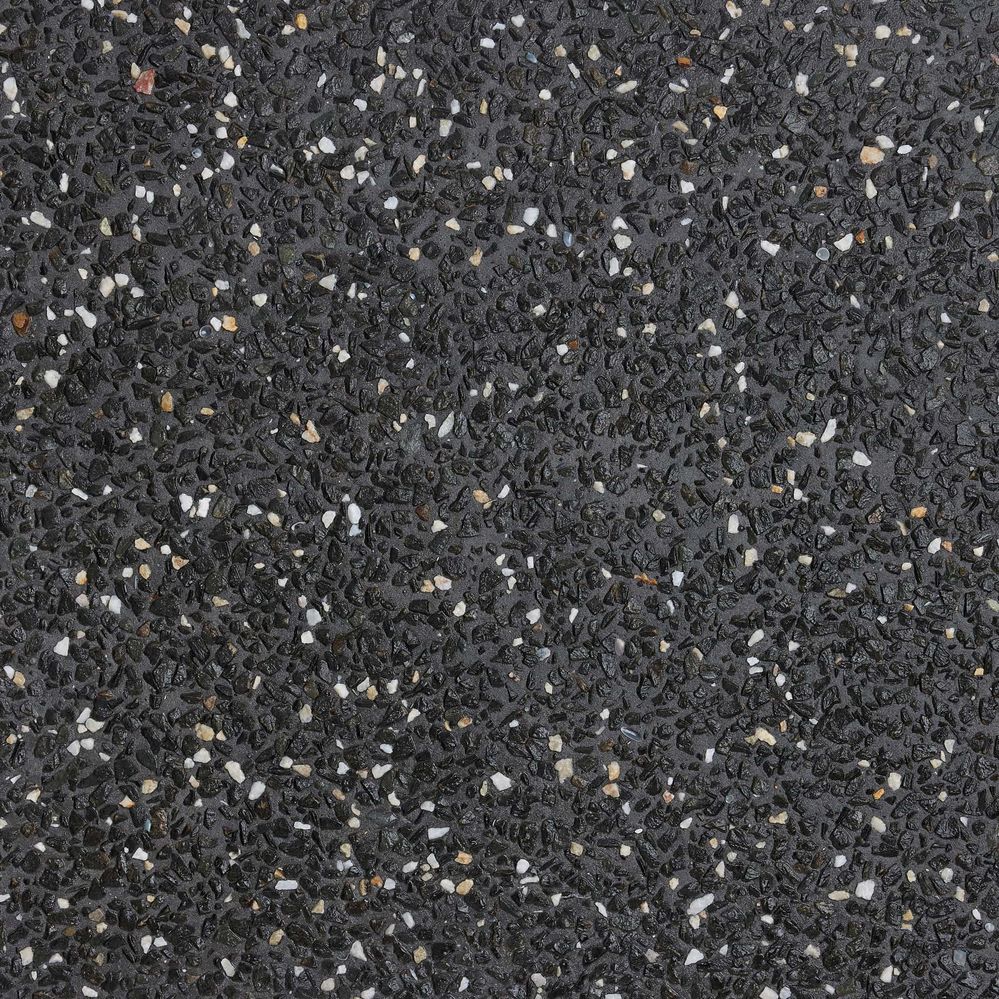
I’d like to remove the existing pavers and replace the pathway with black concrete featuring a black exposed aggregate finish (similar to the attached photo). I also like the wet-look finish and would like to achieve something along those lines.

The existing pathway needs to be removed because:

  • Several pavers are broken

  • The path is off-centre and I’d like it re-centred

  • The drainage channel at the end has been tiled over, which means I can’t remove the grate to clean it

Given all of this, I’m happy to demolish the whole area and start fresh.


Dimensions

  • Main pathway: ~1 m wide × 5 m long

  • Area near the garage (with drain): ~3 m × 1 m

What I would like advice on:


Demolition

  • Best way to remove the existing pavers and base

  • What to watch out for when removing the tiled-over drain

New Path Construction

  • Recommended base preparation for an exposed aggregate concrete path

  • Suggested slab thickness and reinforcement

  • Tips for achieving a black concrete with black exposed aggregate finish

Drainage Channel

  • Advice on installing a new drainage channel at the end of the path

  • Correct way to set the drain height and fall before pouring concrete

  • Any recommended products or common mistakes to avoid

Finish and Sealing

  • Best way to achieve and maintain a wet-look finish on exposed aggregate

  • Sealer recommendations and timing

Thanks in advance! I’m keen to do this properly and get it right the first time. Any advice or tips would be greatly appreciated!
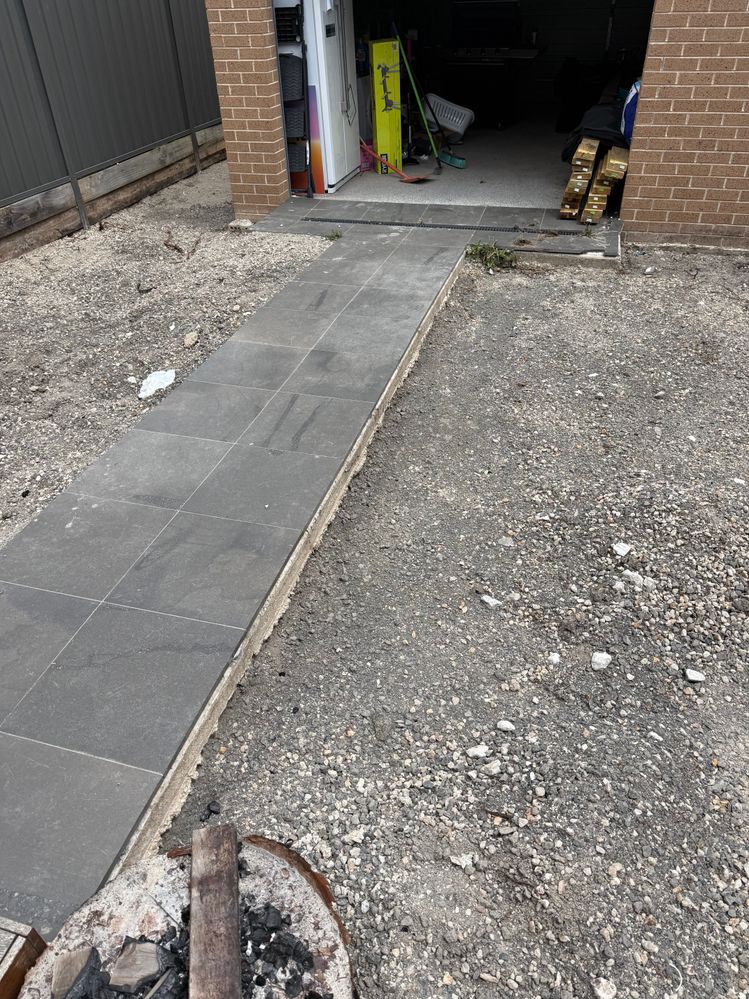
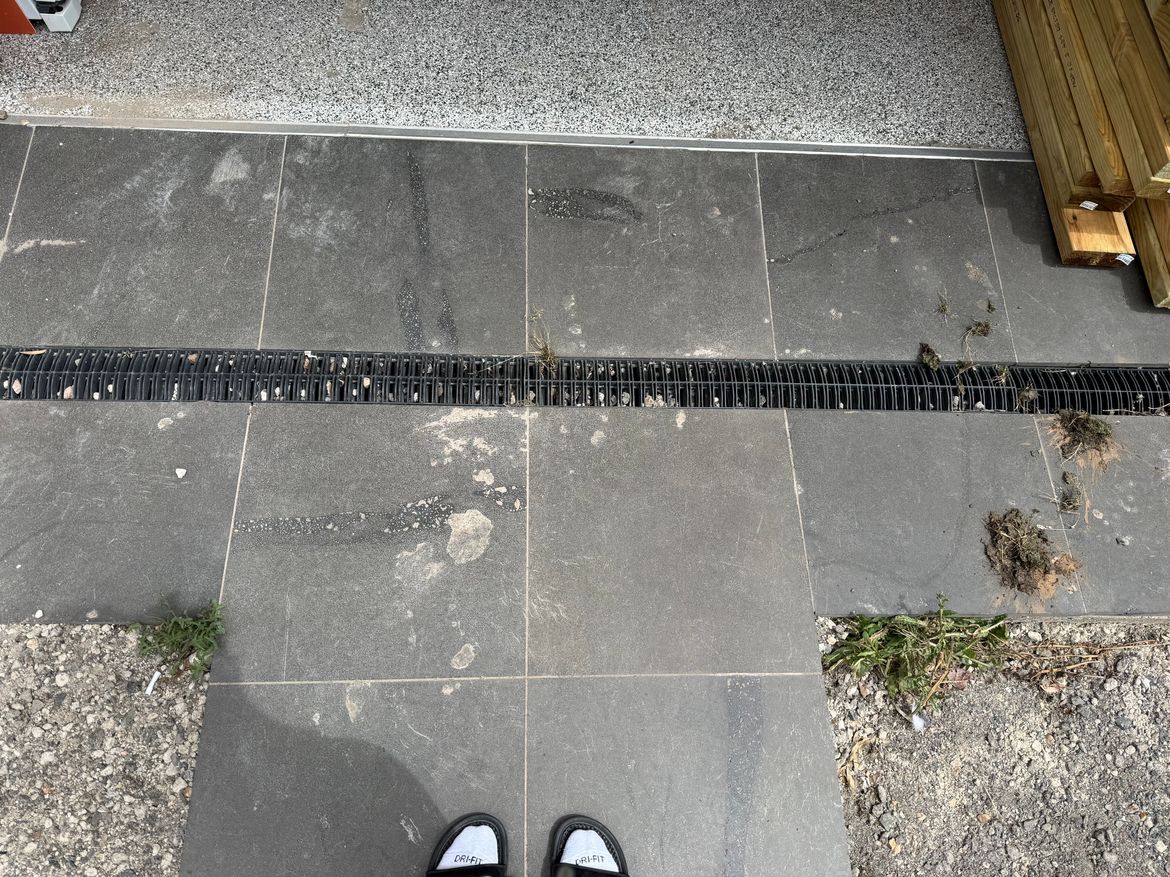
IMG_8308.jpegIMG_8309.jpeg


Black-Black.jpgSantosa-Swatch.jpg

JacobZ
Bunnings Team Member

Re: How to rebuild aggregate concrete path with drain?

Hi @MadylinGamble,


Welcome to the Bunnings Workshop community, it is wonderful to have you with us.


You've clearly put a fair bit of thought into things and hit on the important factors.  I will run through things and explain how they are done so you can make an informed decision, but I'd encourage you to consider speaking with a professional. There are certainly steps you can take yourself to prepare, but the actual pouring and finishing of the concrete is not a simple task, and as soon as you start mixing your concrete, it starts to set, so things can go wrong and be very costly if you are ill-prepared. I am not a concreter, but I have assisted on pathway concrete pours on commercial construction sites, and I can tell you from experience that I would not be comfortable doing this myself.


Demolition -


Assuming you have no intention of salvaging anything, the best method of removing the path is to use a jackhammer and, if necessary, a demolition saw.


The only thing you'd need to look out for with the drain is if it connects to a stormwater pipe underneath. If you have a look through the grill, you should be able to see a PVC pipe if there is one. You'd just need to avoid damaging this pipe if one is there.


New Path Construction -
 

The preparation for an exposed aggregate path is the same as that of any other concrete. How To Pour A Small Concrete Slab shows the preparation steps for a small concrete slab. 


Start by marking out the area using line marking paint, then install your formwork. Check out How To Build Formwork for a guide on this. Once the formwork is in place, dig out beneath it and add a base of compactible material such as road base or drainage gravel, then compact it with a plate compactor. After compaction, you want your layer of base material to be at least 50mm thick. Pedestrian pathways should be at least 75mm thick and reinforced with something like this Jack 600mm x 5m Reinforcing Mesh Roll. You also need to ensure the reinforcing is not touching the ground by sitting it on Jack 25 - 40mm Plastic Reinforcing Bar Chairs.


To create black concrete with black aggregate, you would need to mix the concrete yourself; you couldn't purchase a premixed bag product. A standard concrete mix is 1 part cement to 2 parts sand to 3 parts aggregate, with water added gradually until a workable consistency is achieved. In this situation, you would use black aggregate and add Black Oxide to colour the concrete. At this scale, you would need to mix it in a 


Drainage Channel -


For the drainage channel, install it before the concrete is poured and set it on a mortar bed at the desired finish height so it cannot move. The grate height should finish just below the final concrete surface so water naturally falls into it. Make sure the path has a gentle fall toward the drain, and double-check levels before the pour because mistakes here are very hard to fix later.


If there is a stormwater drain beneath the channel grate that it needs to connect to, you would need to have a plumber assist with the installation.


Finish and Sealing - 


For the finish and sealing, the wet look comes from a high-quality, exposed aggregate sealer, like this Crommelin DiamondTough Exposed Aggregate And Polished Concrete Clear Sealer. Allow the concrete to cure fully before sealing, commonly 7 to 14 days depending on conditions. Clean and dry the surface thoroughly before sealing, apply thin even coats, and avoid over-application. To maintain the finish, reseal every few years and avoid harsh cleaners that can dull the surface.


Again, this is not something I would classify as a D.I.Y. job. You could certainly assist with the demolition and preparation of the area, but even a simple concrete pour, which this is not, can go awry if you aren't prepared. I'd suggest you speak with a concreting professional for assistance with this project. You can comfortably do the demolition and can likely assist with the preparation, but I'd speak with them about what you can do to help.


I hope this helps to clarify things.


Jacob


Why join the Bunnings Workshop community?

Workshop is a friendly place to learn, get ideas and find inspiration for your home improvement projects