Workshop
Ask a question

The Bunnings Workshop community can help with your home improvement projects.

How to re-screw this sagging plasterboard ceiling?

LorenClayton
Having an Impact

How to re-screw this sagging plasterboard ceiling?

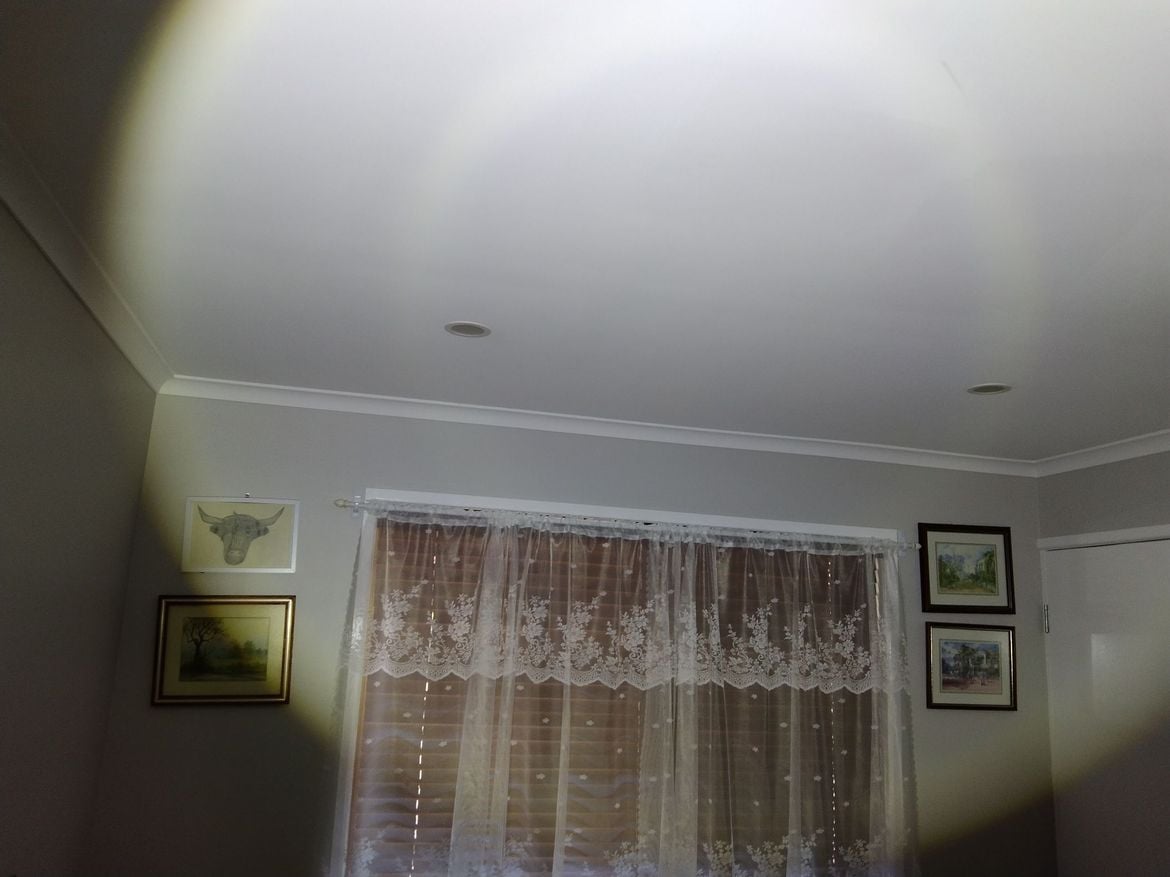
Hello, I'd like to do this myself. Worst sagging is the 2nd bedroom. (Photo attached) When I stand on the bed I can feel the curvature. The photo doesn't really show this clearly.

Are props necessary and if so, which props do I use - timber lengths? I'd prefer something I can fit in my small car if possible.

And are these the correct screws? Zenith 8G x 50mm Gold Passivated Bugle Head Plasterboard Screws

I've only got a Ryobi One so I'm guessing I'll need a more powerful drill? Can you suggest one please? And do you have any tips on how to screw these in re pilot holes to begin with?

Are the existing nails that have popped just hammered back in? I've heard they will just pop out again over time. Or should I use pliers & remove these, with new screws either side? 

I'm intending on plastering the screws / nails and painting over myself. Thank you.ceiling 1.jpg


MitchellMc
Bunnings Team Member

Re: How to re-screw this sagging plasterboard ceiling?

Hi @LorenClayton,


Props are a good idea, as they’ll hold the plasterboard back in place while you re-screw it. You don’t need anything fancy – two lengths of timber with a flat bit nailed across the top (like a T-bar) will do. If you don’t have room in your car, you can get pine lengths cut to size at Bunnings so they’ll fit. You might then need to screw them back together when you get home. You can also hire props, but bear in mind they are quite heavy.


The screws you’ve listed will be perfect, and 40–50mm is the right length. Your Ryobi One drill/driver should be fine. No need for pilot holes as plasterboard screws are self-tapping. However, if the ceiling joists are quite old and hardwood, pre-drilling might be required. A 3mm hole should suffice.


Don’t hammer the old nails back in, as they’ll almost certainly pop again. Best to remove them with pliers, then drive a new screw a few centimetres to the side into solid timber. Or, you could probably screw into the same hole from which the nail came out. The screw is thicker than the nail and will grip in the hole.


Once the board is held securely and flush with the joists, you can plaster over the screw heads and any old nail holes, then sand and repaint


Please let me know if you have any questions.


Mitchell


See something interesting? Give it the thumbs up!

Why join the Bunnings Workshop community?

Workshop is a friendly place to learn, get ideas and find inspiration for your home improvement projects