The Bunnings Workshop community can help with your home improvement projects.
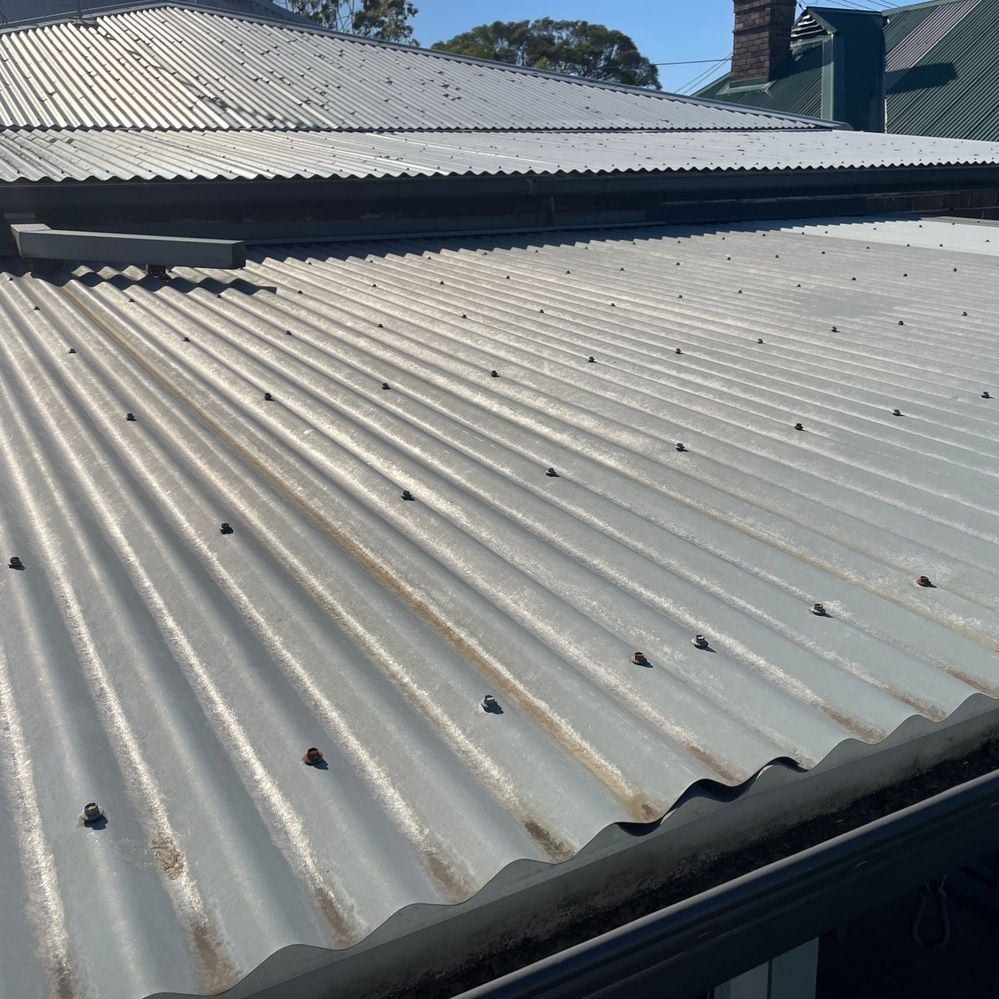
Hi. I've a tin roof over the kitchen and dining room (almost flat, maybe 5% slope) and its not insulated and gets pretty hot first thing in the morning, and can stay pretty warm all day ...
I've taken a sheet or two off before to deal with a light fitting, so know there's no insulation and that I can put all the sheets back where they came from using the same holes.
I'm wondering if I need to add some sort of building sheet as well as the insulation, and if there are any regulations that need to be followed. Photo for reference. There's two flat sections that I'd do. The rest of the orignial house has insulation already.
Thanks!
Welcome to the Bunnings Workshop community @karapoti. It’s great to have you join us.
Our resident Bunnings D.I.Y. experts will be back on the site on Boxing Day. Hopefully others will be able to share their thoughts in the meantime.
Jason
Hi @karapoti,
Welcome to the Bunnings Workshop community, it is fantastic to have you with us.
From a regulatory point of view, there is usually no approval required for adding insulation to an existing roof.
You can definitely add insulation under an existing tin roof like yours, and it will make a noticeable difference to heat buildup. Metal roofs heat up quickly in the morning and hold that heat for hours if there is no thermal break underneath.
The best solution for a retrofit is a foil-faced metal roof insulation blanket like this Earthwool Space Blanket, which is produced by Knauf Insulation. These products are designed specifically to sit directly under tin roofing and combine bulk insulation with a reflective foil layer. The foil reflects radiant heat away before it enters the roof space, while the bulk insulation slows down heat transfer.
This Knauf Space Blanket Installation Guide is the document you'll need to check for guidance when installing.
Typically, it would be laid before any roofing goes down, but if you plan things out, you shouldn't have any issue retrofitting it while removing one or two roofing sheets at a time. The main thing is that the foil faces down into the ceiling cavity, and the insulation faces up and forms to the contours of the roofing sheet.
Before installing the insulation, you should check that cables are in good condition and not tightly wrapped or compressed by the blanket. If anything looks old, damaged or concerning, the instructions clearly indicate that an electrician should be involved in the installation process.
Let me know what you think and if you have any further questions, please don't hesitate to ask.
Jacob
A note for our New Zealand readers - The use of foil faced insulation products has been banned in New Zealand
My house is the same. Our house is quite old and I just know that if I start pulling up sheets of tin, im sure I will make more problems for me.
Instead of insulation, we bought a heat reflective paint. It is quite expensive but it has brought the temperature in our house down about 10 degrees. Winter is now freezing though, but I live in Central Qld so winter is very very short lived.
Workshop is a friendly place to learn, get ideas and find inspiration for your home improvement projects
We would love to help with your project.
Join the Bunnings Workshop community today to ask questions and get advice.