Workshop
Ask a question

Bunnings Workshop is under maintenance and read-only.

The Bunnings Workshop community can help with your home improvement projects.

Top 10 most popular garden makeovers

Jason
Community Manager
Community Manager

Garden Makeover.png


A garden can be a relaxing oasis and a wonderful place to enjoy time with friends and family.


But if your backyard or front garden has been neglected for a while, it can be a little overwhelming and difficult to know where to start. Fortunately, our clever and creative Bunnings Workshop community can provide plenty of advice and inspiration when it comes to garden makeovers.


Here are the top 10 most popular garden projects on Workshop by pageviews: Sideway makeoverSideway makeover
 

1. Backyard transformation with deck by @LePallet 


Rylie's comprehensive backyard makeover included landscaping, decking, raised garden beds, screening, planting, and new turf. 


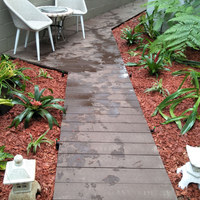
2. Sideway makeover by @shayden06 


Narrow areas down the side of a house can be tricky to work with, but this combination of decking and garden beds came up a treat. It created a practical and attractive area for relaxing and enjoying the outdoors.


3. Backyard makeover with new deck and planter boxes by @maknilsin 


With very limited space to work with and a modest budget, Mark transformed a stark and unappealing garden into a stylish and functional space perfect for outdoor entertaining. 


4. Front yard garden bed screening by @suequarford 


Sue opted for Port Wine Magnolias when choosing a screening option for for her front yard. Bluestone rounds to replace lawnBluestone rounds to replace lawn
 

5. Side yard transformation by @diy_hausdesigns 


Rufaro made the most of his side walkway by installing new planter boxes with seating, paving, edging, new planting and garden lighting.   


6. Drainage to fix a muddy lawn by @Ben 


Fixing a muddy, unusable lawn required the installation of agi pipe in new drainage channels and returfing work. 


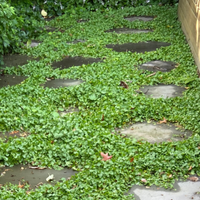
7. Bluestone rounds to replace lawn by @Kate23 


Struggling to maintain a lawn without access to consistent sunlight, Kate used Bluestone rounds and Dichondra to make her backyard more attractive.


8. Backyard makeover by @Ben 


Ben's backyard was dark and unappealing, and grass had little chance to grow. Removing trees, landscaping, planting and laying new turf produced an amazing transformation. Backyard landscaping and deckingBackyard landscaping and decking
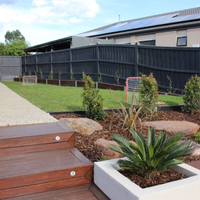
 

9. Garden makeover with new beds and planting by @Nikkaz 


Community member Nicole planted Lilly Pillies in garden beds along the fence line and installed new turf to refresh this backyard.


10. Backyard landscaping and decking by @Jimi 


Jimi cleared overgrown plants and added a new lawn while landscaping his backyard.


How to give your garden a makeover


Resident Bunnings Workshop horticulturalist Adam has shared a comprehensive guide How to plan a garden makeover to help ensure your garden makeover is a success. Once the planning is complete, Adam provides more expert advice to implement your plan in the guide How to give your garden a makeover. You can get more great advice from How to choose plants for your garden.


More inspiration for your garden Courtyard garden makeoverCourtyard garden makeover
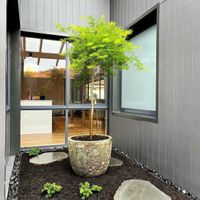
 

Other popular garden projects shared by Workshop community members include courtyard garden makeover by @homeforeverhome, lawn renovation by @homeinmelbourne and garden bed, bamboo fence & garden arch by @J-P.

For more inspiration, check out the following collections of projects from community members: 


Last updated: December 2023

 

2 Replies
Grant10
Just Starting Out

Two 50 year old Camelia bushes have suffered during the Manly/Sydney summer 2025/26.  Both are planted in separate gardens receiving early morning sun to 12 midday.   Four weeks ago I began watering every second evenng, however this did not stop total leaf dieback.   One bush has some very small leaf regrowth and is now showing white/green lichen and some small white rubber like balls.   Due to the age of both bushes, I would prefer to save them.  Can you suggest the best treatment.  Thank you.

EricL
Bunnings Team Member

Hello @Grant10 


Welcome to the Bunnings Workshop community. It's sensational to have you join us.


You are absolutely doing the right thing by trying to save these camellias, and the fact that you are seeing even small signs of regrowth is genuinely encouraging, particularly given their age and the severity of this past summer.


What you are most likely dealing with is extreme heat and root stress rather than a single disease. The 2025–26 Sydney summer placed extraordinary pressure on camellias, especially older plants. Total leaf drop usually indicates that the roots have shut down after prolonged exposure to hot, oxygen-poor soil. Although watering every second evening was well-intentioned, frequent watering in warm soil can sometimes worsen root stress by limiting oxygen availability.


The white and green lichen on the stems is harmless and does not require treatment. It is common on older camellias and simply reflects slow growth. The small white rubbery balls you have noticed are more significant and are almost certainly scale insects. These pests commonly attack stressed plants and feed on sap, which can further weaken the plant if left untreated.


The first step is to determine how much of each bush is still alive. Lightly scratch the bark on several branches and near the base of the trunk. Green, moist tissue indicates living wood. Any branches that are dry and brown all the way through can be pruned back, but do this gradually and only cut to clearly healthy wood. Avoid heavy pruning into old wood at this stage, as this can further stress the plant.


Adjusting your watering routine will also help. Instead of frequent watering, aim for a deep soak once every five to seven days, applied early in the morning. This encourages deeper root hydration and allows the soil to re-oxygenate between waterings. If the soil is compacted or slow draining, gently loosening the soil around the drip line with a garden fork can improve air flow without damaging roots.


Mulching is particularly important for recovery. Apply a thick layer of organic mulch such as pine bark or sugar cane mulch, keeping it a few centimetres away from the trunk. Extending the mulch well beyond the drip line will help reduce soil temperature, retain moisture, and protect fragile roots. For older camellias, cooler soil is often more important than fertiliser at this stage.


To manage the scale insects, manually remove as many of the white bumps as possible using gloved fingers or a soft brush. Follow this with a horticultural oil spray applied on a mild day below 25°C, ensuring the stems are thoroughly coated. A repeat application in three weeks is usually necessary. Avoid fertilising until you see consistent new growth, as feeding stressed roots can do more harm than good.


If steady new leaf growth appears over the next six to eight weeks, you can apply a light dose of an organic camellia fertiliser in early autumn, using no more than half the recommended rate. Recovery in plants of this age is slow and can take a year or more, so progress will be gradual.


If a bush shows no green tissue at all when scratched, it is unfortunately unlikely to recover. However, any camellia showing signs of life is worth persisting with. Careful watering, soil cooling, and pest control will give these long-lived plants their best chance to recover and continue growing for many years.


If you need further assistance, please let us know.


Eric


Why join the Bunnings Workshop community?

Workshop is a friendly place to learn, get ideas and find inspiration for your home improvement projects