The Bunnings Workshop community can help with your home improvement projects.
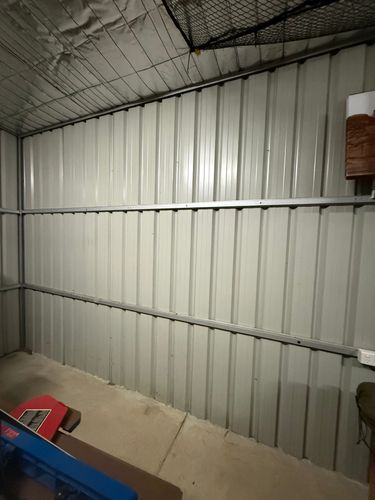
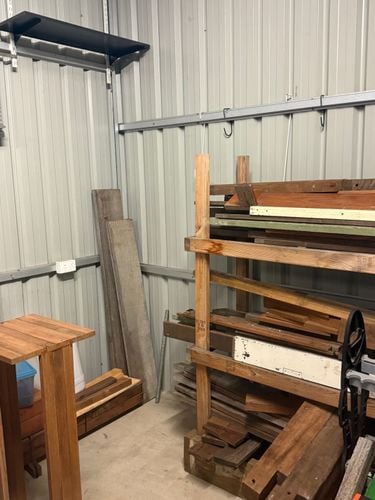
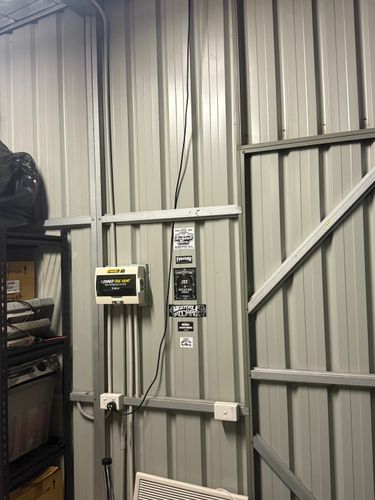
morning all, I have. 5 by 8 shed that I am turning into a woodworking workshop. I have power being installed including 15amp power. I am putting Kingspan Vapor barrier air cell but then for soundproofing for neighbours to reduce noise I need to build out cavity as currently with steel it’s only 25mm. I am looking to put 75 by 35mm timber frame so cavity will be around 90mm and then install some sound shield insulation batts and probably marine ply over the Insulation. I am really not sure how to connect the timber frame to steel especially with movement and some other posts talk about fixing the top of frame to the steel. Can someone please help as first time DIYer with shed and want to make sure I don’t annoy neighbours as located in suburbia.
thanks in advance
Cheers Brad
Solved! See most helpful response
Welcome to the Bunnings Workshop community @braddis84. It's terrific to have you join us, and many thanks for your question about creating stud walls within a shed.
When framing internal walls inside a Colorbond shed, especially for purposes like soundproofing and insulation, the best approach is typically to build independent timber stud frames. These are not attached directly to the steel sheeting but rather installed as free-standing internal walls. Start by constructing your 75 x 35mm timber frames on the ground, then lift them into place and fix the bottom plates directly into the concrete slab using masonry anchors like Dynabolts or AnkaScrews. Once positioned, adjoining frames can be fixed together at corners to create a self-supporting structure. This method ensures that the weight of the internal walls is borne by the concrete slab rather than the shed’s steel walls, which are often too thin to support loads effectively.
For added stability and to help tie everything together, you can use steel angle brackets or metal strapping to lightly secure the top plate of the timber frame to the shed’s steel frame or roof purlins. This will also allow for minor movement and prevent stress on either structure. Once the framing is up, you can add your vapour barrier, sound insulation, and marine ply lining as planned.
Please let me know if you have any questions.
Mitchell
Thankyou so much for info and advice really appreciate your help
Workshop is a friendly place to learn, get ideas and find inspiration for your home improvement projects
We would love to help with your project.
Join the Bunnings Workshop community today to ask questions and get advice.